Categories
Uncategorized

How Can Rodent Control Help Prevent Secondary Pest Infestations?

How Can Rodent Control Help Prevent Secondary Pest Infestations?

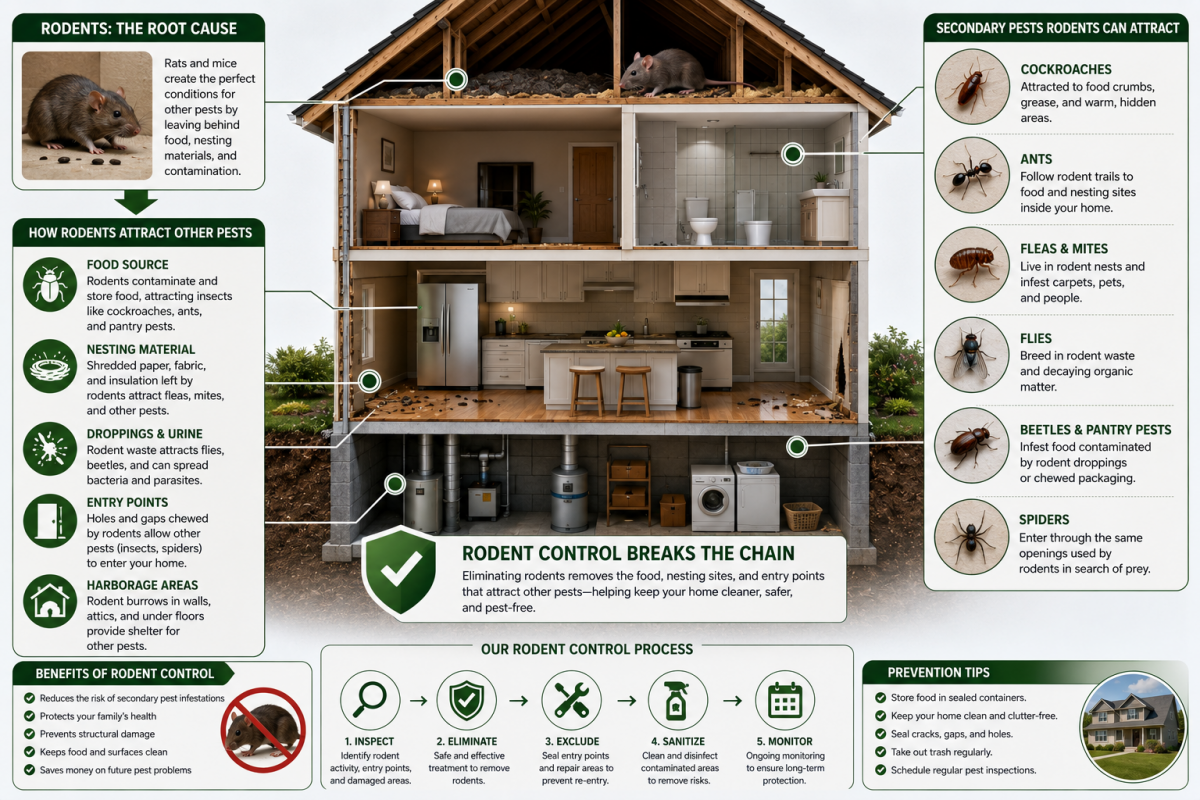
Many people think rodents are the only problem when mice or rats enter a property. In reality, they often bring a much larger issue with them. Rodents create conditions that attract insects, parasites, and other unwanted pests, leading to what experts call secondary pest infestations. Understanding this connection can help homeowners take preventive steps before a minor problem grows into a widespread infestation.

Whether you’re learning about rodent control pembroke pines or simply researching rodent prevention, knowing how rodents influence other pest populations is essential. Companies like EntoLogic Pest Solutions often educate property owners about these relationships because preventing one pest frequently helps prevent several others.

The Connection Between Rodents and Other Pests

Rodents rarely exist alone. As they search for food, water, and shelter, they leave behind materials that attract insects and microorganisms. Their droppings, urine, nesting materials, and food scraps create an environment where secondary pests can thrive.

Why Rodents Create Favorable Conditions for Pests

Rodents constantly chew, gather nesting materials, and contaminate stored food. These activities increase moisture, create hidden shelters, and provide organic material that many insects depend on for survival.

What Are Secondary Pest Infestations?

A secondary pest infestation occurs when one pest problem creates ideal conditions for another pest species to establish itself. Instead of dealing with a single infestation, property owners may face multiple pest populations at the same time.

Common Examples of Secondary Pests

Some pests frequently associated with rodent activity include:

  • Fleas
  • Mites
  • Ticks
  • Cockroaches
  • Ants
  • Carpet beetles
  • Flies

These pests often benefit from the shelter, food, and waste rodents leave behind.

How Rodents Attract Insects and Other Unwanted Visitors
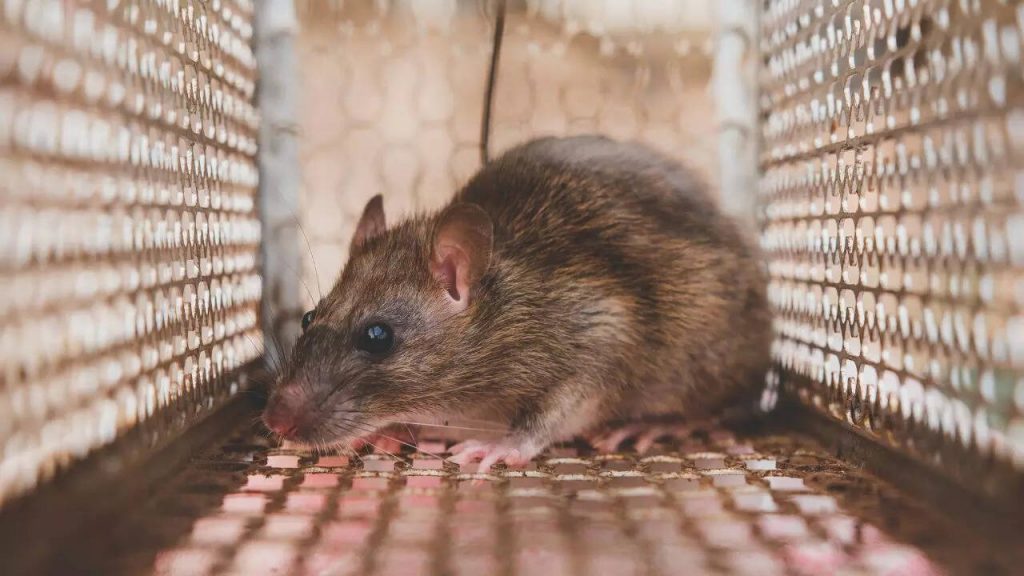
How Rodents Attract Insects and Other Unwanted Visitors

Rodents unknowingly invite many insects into homes and buildings.

Food Sources Left Behind by Rodents

Rodents scatter food while eating. Small crumbs hidden behind appliances or inside wall voids become reliable food sources for insects like ants and cockroaches.

Even stored pet food can become contaminated, encouraging additional pest activity.

Nesting Materials That Encourage Pest Activity

Rodent nests contain shredded paper, insulation, fabric, leaves, and other materials. Over time, these nests become warm, protected environments where insects can reproduce safely.

Once rodents abandon a nest, insects often remain.

Health Risks Associated with Multiple Pest Infestations

Having several pest species indoors increases potential health concerns.

Disease Transmission

Rodents may carry bacteria and viruses, while fleas, ticks, and flies can spread additional pathogens. Although each pest presents different risks, multiple infestations increase overall exposure.

Proper sanitation and early intervention help reduce these risks.

Indoor Air Quality Concerns

Rodent droppings, nesting debris, insect waste, and shed skins can become airborne as dust. Poor indoor air quality may trigger allergies or respiratory irritation, particularly in sensitive individuals.

Why Early Rodent Control Matters

Addressing rodents early prevents both direct damage and future pest problems.

Preventing Population Growth

Rodents reproduce quickly. A small infestation may become much larger within a short period if favorable conditions remain.

Early management reduces the likelihood of attracting insects that depend on rodent activity.

Protecting Structural Integrity

Rodents chew wood, drywall, insulation, wiring, and stored belongings. Damaged structures may also provide new entry points for insects seeking shelter.

Maintaining the building’s condition limits opportunities for multiple pest species.

The Importance of Proper Sanitation

Rodent management works best when combined with good housekeeping practices.

Eliminating Food and Water Sources

Simple preventive habits include:

  • Store food in sealed containers.
  • Clean spills promptly.
  • Empty trash regularly.
  • Remove standing water.
  • Keep pet food stored properly.
  • Reduce clutter around storage areas.

These practices discourage both rodents and secondary pests.

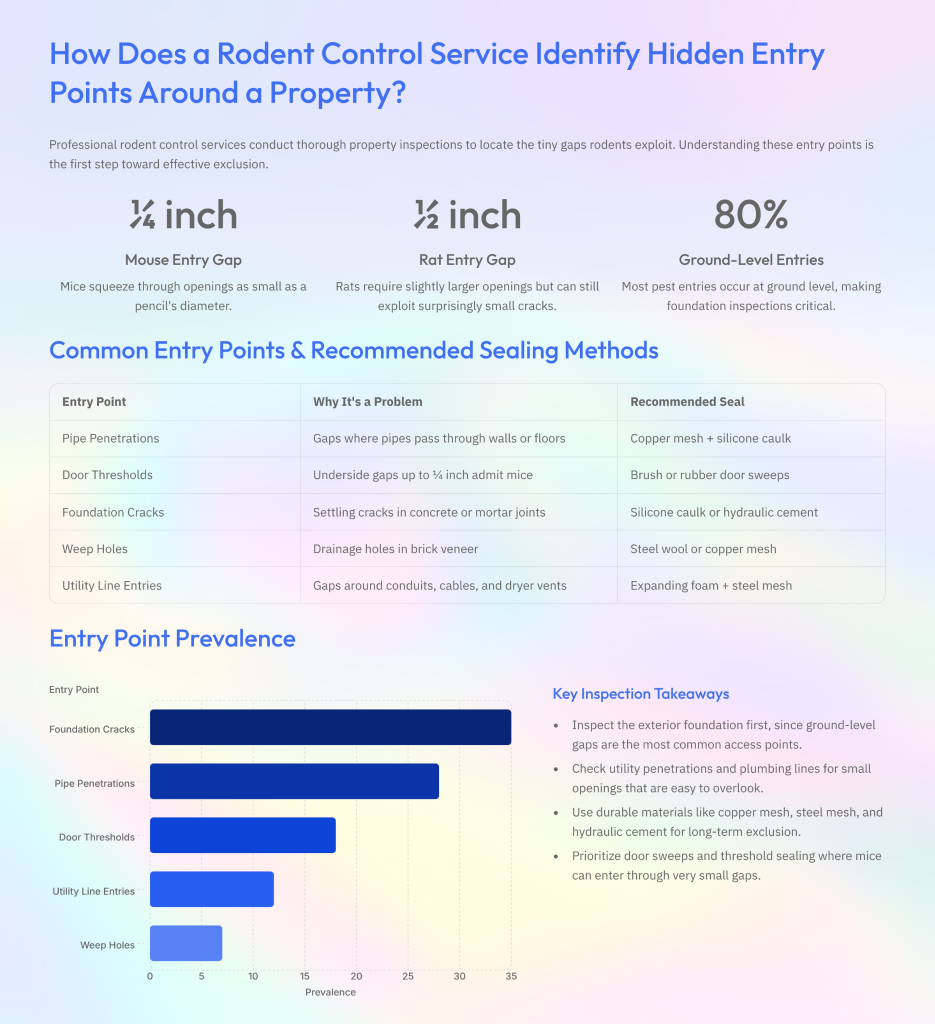
Sealing Entry Points to Reduce Future Infestations

Preventing access is one of the most effective long-term strategies.

Areas That Need Regular Inspection

Pay attention to:

  • Utility pipe openings
  • Garage doors
  • Roof vents
  • Crawl spaces
  • Foundation cracks
  • Window gaps
  • Door thresholds

Small openings are often large enough for rodents to enter, making routine inspections worthwhile.

Seasonal Factors That Influence Rodent Activity

Rodent behavior changes throughout the year. Cooler temperatures often drive rodents indoors in search of warmth and food, while warmer seasons may increase insect populations that take advantage of rodent activity.

Regular inspections during seasonal transitions help identify problems before they expand.

Monitoring for Long-Term Pest Prevention

Rodent prevention is not a one-time task. Ongoing monitoring helps identify early warning signs such as droppings, gnaw marks, unusual odors, or scratching sounds inside walls.

Learning about rodent control in pembroke pines also highlights the importance of combining exclusion, sanitation, monitoring, and maintenance into a complete prevention strategy. Educational resources shared by professionals like EntoLogic Pest Solutions often emphasize that successful pest management focuses on reducing the conditions pests need to survive rather than reacting only after infestations become severe.

EntoLogic Pest Solutions Serving the SilverLakes Community and Beyond in Pembroke Pines

EntoLogic Pest Solutions is dedicated to serving the diverse needs of the local community of Pembroke Pines, including individuals residing in neighbourhoods like SilverLakes. With its convenient location near landmarks such as the godios and major intersections like SW 168th Terrace and SW 1st Pl (coordinates: 26.0057129, -80.3726066), we offer rodent control services.

Get rodent control services at SilverLakes Now

Call Us or Contact Us: +1 469-425-8406

Navigate from SilverLakes to EntoLogic Pest Solutions Now

<iframe src=”https://www.google.com/maps/embed?pb=!1m18!1m12!1m3!1d3668654.520139113!2d-84.12392658435402!3d26.109674864314222!2m3!1f0!2f0!3f0!3m2!1i1024!2i768!4f13.1!3m3!1m2!1s0x87c96e52feffc22d%3A0xe87b7b7de372420f!2sEntoLogic%20Pest%20Solutions!5e0!3m2!1sen!2sus!4v1784107136935!5m2!1sen!2sus” width=”600″ height=”450″ style=”border:0;” allowfullscreen=”” loading=”lazy” referrerpolicy=”strict-origin-when-cross-origin”></iframe>

Rodents are more than a nuisance; they often create the perfect environment for other pests to flourish. Their nests, waste, food contamination, and structural damage provide insects and parasites with everything they need to survive. By understanding the relationship between rodents and secondary pest infestations, property owners can take preventive measures that reduce the likelihood of multiple pest problems. Consistent sanitation, sealing entry points, regular inspections, and informed rodent management all contribute to a healthier indoor environment.

FAQs

1. What are secondary pest infestations?

Secondary pest infestations occur when one pest, such as rodents, creates conditions that attract other pests like fleas, cockroaches, ants, or flies.

2. Why do rodents attract insects?

Rodents leave behind food scraps, droppings, urine, and nesting materials that provide food and shelter for many insect species.

3. Can rodent nests continue attracting pests after rodents leave?

Yes. Abandoned nests may still contain organic material that supports insects and other pests long after rodents are gone.

4. Does sanitation help reduce both rodents and insects?

Absolutely. Removing food, water, and clutter limits the resources that both rodents and secondary pests depend on.

5. Why is early rodent prevention important?

Early prevention reduces property damage, limits rodent population growth, and decreases the chances of developing larger secondary pest infestations involving insects and parasites.
Categories
Uncategorized

How Does a Termite Control Company Determine the Source of a Termite Infestation?

How Does a Termite Control Company Determine the Source of a Termite Infestation?

How Does a Termite Control Company Determine the Source of a Termite Infestation?

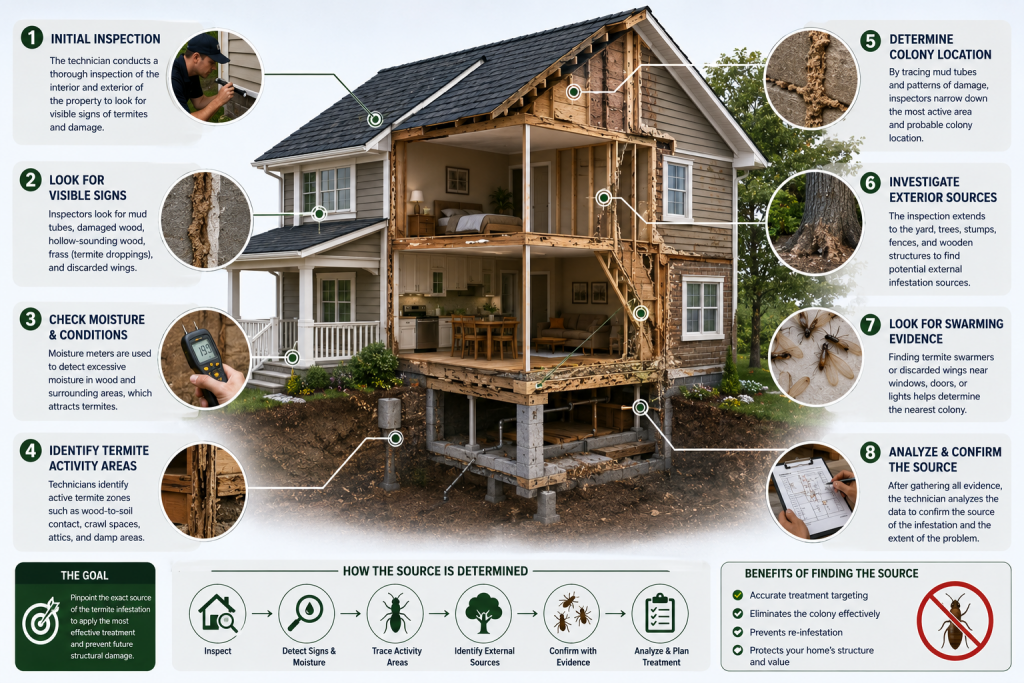
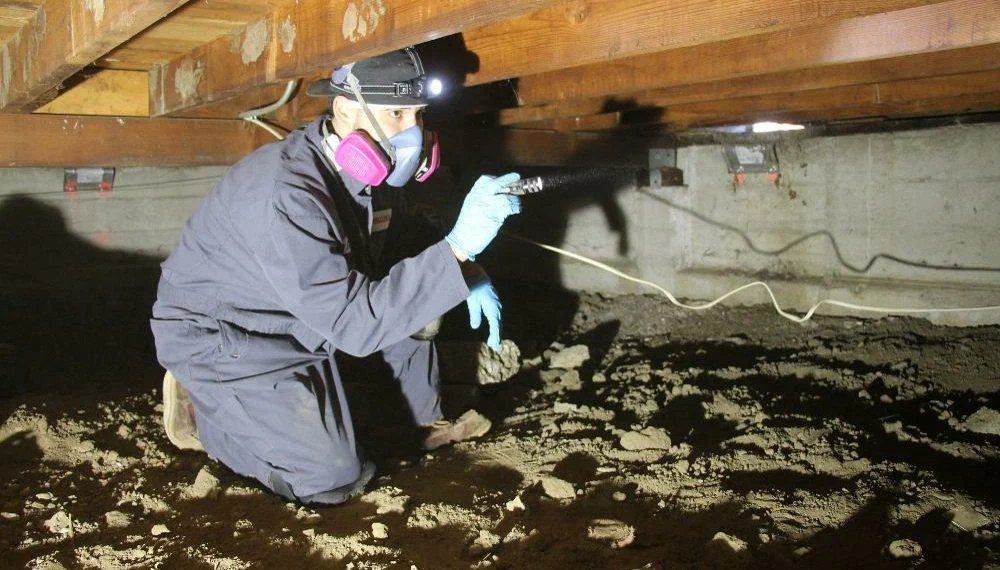
Termites are among the most destructive household pests because they often remain hidden until noticeable damage has already occurred. While many people focus on eliminating termites, professionals know that identifying where the infestation began is just as important. A termite control company pembroke pines typically follows a detailed inspection process to determine the source before recommending any treatment.

Companies such as EntoLogic Pest Solutions understand that every property is different. Factors such as moisture, landscaping, building materials, and construction style all influence where termites establish colonies. By identifying the origin of the infestation, professionals can better understand why termites entered the structure in the first place.

Why Finding the Source Matters

Treating visible termite activity without locating its source is similar to fixing a leaking ceiling without repairing the roof. The visible damage may disappear temporarily, but the underlying issue remains.

Finding the source helps professionals:

  • Understand how termites entered the structure.
  • Identify conditions supporting colony growth.
  • Detect hidden areas of damage.
  • Reduce the likelihood of recurring infestations.

How Termites Invade Properties?

How Termites Invade Properties?

Termites rarely appear randomly. They are attracted by environmental conditions that make survival easier.

Common Entry Points Around a Building

Subterranean termites commonly enter through:

  • Foundation cracks
  • Utility pipe openings
  • Expansion joints
  • Gaps beneath doors
  • Wood that touches the soil

These small openings provide concealed pathways into the building.

Environmental Conditions That Attract Termites

Several conditions naturally encourage termite activity, including:

  • Excess soil moisture
  • Mulch placed against foundations
  • Decaying tree stumps
  • Firewood stacked near buildings
  • Poor drainage

Each of these creates favorable conditions for termite colonies.

The First Step in a Professional Inspection

A thorough inspection begins long before damaged wood is examined.

Exterior Property Assessment

Professionals first inspect the outside because many termite infestations originate there.

They evaluate:

  • Foundation walls
  • Landscaping
  • Wooden fences
  • Deck supports
  • Tree roots
  • Crawl spaces
  • Exterior siding

These observations often reveal the first clues about colony location.

Interior Inspection Process

Inside the property, inspectors carefully examine:

  • Baseboards
  • Window frames
  • Door frames
  • Flooring
  • Ceiling beams
  • Crawl spaces
  • Attics
  • Utility rooms

Instead of looking only for insects, they search for evidence that explains how termites reached these areas.

Signs That Help Identify the Infestation Source

Professional inspectors rely on multiple indicators rather than a single piece of evidence.

Mud Tubes and Shelter Tunnels

Subterranean termites build mud tubes to travel safely between the soil and wooden structures while maintaining moisture.

Following these tubes often helps inspectors trace termite movement back toward the colony.

Damaged Wood and Hollow Sounds

Wood may appear perfectly normal from the outside while being extensively damaged internally.

Inspectors gently tap wooden surfaces, listening for hollow sounds that indicate internal galleries.

Swarmers and Discarded Wings

Flying termites, known as swarmers, emerge when colonies mature.

Discarded wings near windows, doors, or light fixtures often suggest nearby nesting locations and help narrow the search area.

Moisture as a Key Indicator

Moisture is one of the strongest predictors of termite activity.

Plumbing Leaks and Drainage Problems

Inspectors frequently check:

  • Leaking pipes
  • Overflowing gutters
  • Poor yard grading
  • Standing water
  • Faulty irrigation systems

Persistent moisture creates ideal conditions for subterranean termites.

Poor Ventilation and Humidity

High humidity inside crawl spaces or basements keeps wood damp for extended periods.

Poor airflow often contributes to conditions that termites prefer.

Identifying the Type of Termite

Not every infestation follows the same pattern. Determining the species helps identify where the infestation originated.

Subterranean Termites

Subterranean termites typically live underground and build mud tubes between the colony and food sources.

Finding soil contact usually helps inspectors locate their point of entry.

Drywood Termites

Drywood termites do not require soil contact.

Instead, they infest dry wooden materials directly and often enter through exposed wood, roof openings, or unfinished lumber.

Recognizing the termite species allows inspectors to understand the colony’s likely origin.

How Technology Improves Inspections

Modern inspections often combine experience with specialized tools.

Moisture Meters

Moisture meters identify damp wood hidden behind finished surfaces.

Elevated moisture readings frequently point toward conditions that support termite activity.

Thermal Imaging and Inspection Tools

Thermal imaging cameras can detect subtle temperature differences that may indicate hidden moisture or termite movement behind walls.

Although visual inspection remains essential, these tools provide valuable supporting information during complex investigations.

Structural Risk Factors Professionals Evaluate

Inspectors also evaluate building conditions that may increase the likelihood of infestation, including:

  • Wood-to-soil contact
  • Cracked foundations
  • Aging construction materials
  • Poor drainage systems
  • Inadequate ventilation
  • Untreated wooden structures
  • Landscaping that traps moisture

These factors help explain why termites selected one property over another.

Seasonal Influences on Termite Activity

Weather influences termite behavior throughout the year.

Warm temperatures and increased rainfall often encourage colony expansion and swarming activity. During drier periods, termites may move deeper into the soil while continuing to access structures through protected underground tunnels.

Understanding seasonal patterns helps inspectors interpret signs that might otherwise be overlooked.

Why Accurate Source Detection Prevents Future Problems

Finding the origin of a termite infestation provides valuable information beyond immediate damage.

A careful inspection reveals:

  • Hidden colony pathways
  • Structural vulnerabilities
  • Moisture issues
  • Entry points
  • Environmental conditions encouraging termite activity

This comprehensive understanding supports long-term property protection by addressing the factors that allowed termites to establish themselves.

EntoLogic Pest Solutions Serving the SilverLakes Community and Beyond in Pembroke Pines

EntoLogic Pest Solutions is dedicated to serving the diverse needs of the local community of Pembroke Pines, including individuals residing in neighbourhoods like SilverLakes. With its convenient location near landmarks such as the Panther Run Elementary School and major intersections like Pines Blvd and NW 172nd Ave (coordinates: 26.0102129, -80.3726066), we offer termite control company services.

Get termite control company services at SilverLakes Now

Call Us or Contact Us: +1 469-425-8406

Navigate from SilverLakes to EntoLogic Pest Solutions Now

<iframe src=”https://www.google.com/maps/embed?pb=!1m18!1m12!1m3!1d3668654.520139113!2d-84.12392658435402!3d26.109674864314222!2m3!1f0!2f0!3f0!3m2!1i1024!2i768!4f13.1!3m3!1m2!1s0x87c96e52feffc22d%3A0xe87b7b7de372420f!2sEntoLogic%20Pest%20Solutions!5e0!3m2!1sen!2sus!4v1784107136935!5m2!1sen!2sus” width=”600″ height=”450″ style=”border:0;” allowfullscreen=”” loading=”lazy” referrerpolicy=”strict-origin-when-cross-origin”></iframe>

Determining the source of a termite infestation requires much more than locating damaged wood. Professionals examine the property’s interior and exterior, evaluate moisture conditions, identify termite species, inspect structural vulnerabilities, and use specialized tools to trace termite activity back to its origin. A termite control company in Pembroke Pines follows a systematic inspection process because understanding where termites came from is essential for understanding how the infestation developed. Companies such as EntoLogic Pest Solutions recognize that successful termite management begins with careful investigation, accurate identification, and a complete assessment of the conditions that support termite activity.

FAQs

1. Why is finding the source of a termite infestation important?

Locating the source helps determine how termites entered the property, where the colony may be located, and what environmental conditions contributed to the infestation.

2. What is the most common sign inspectors use to trace termite activity?

Mud tubes are one of the strongest indicators because they often connect subterranean termite colonies to the structure they are feeding on.

3. Can termites remain hidden for years?

Yes. Termites frequently cause significant internal damage before visible signs appear, making routine inspections valuable.

4. Does moisture always indicate termites?

No. Moisture alone does not confirm termites, but damp conditions greatly increase the likelihood of termite activity and are carefully evaluated during inspections.

5. Do different termite species require different inspection methods?

Yes. Subterranean and drywood termites behave differently, so inspectors adjust their investigation based on the species and the evidence found during the inspection.

Categories
Uncategorized

What Is the Best Mosquito Control Strategy for Homes Near Lakes and Ponds?

What Is the Best Mosquito Control Strategy for Homes Near Lakes and Ponds?

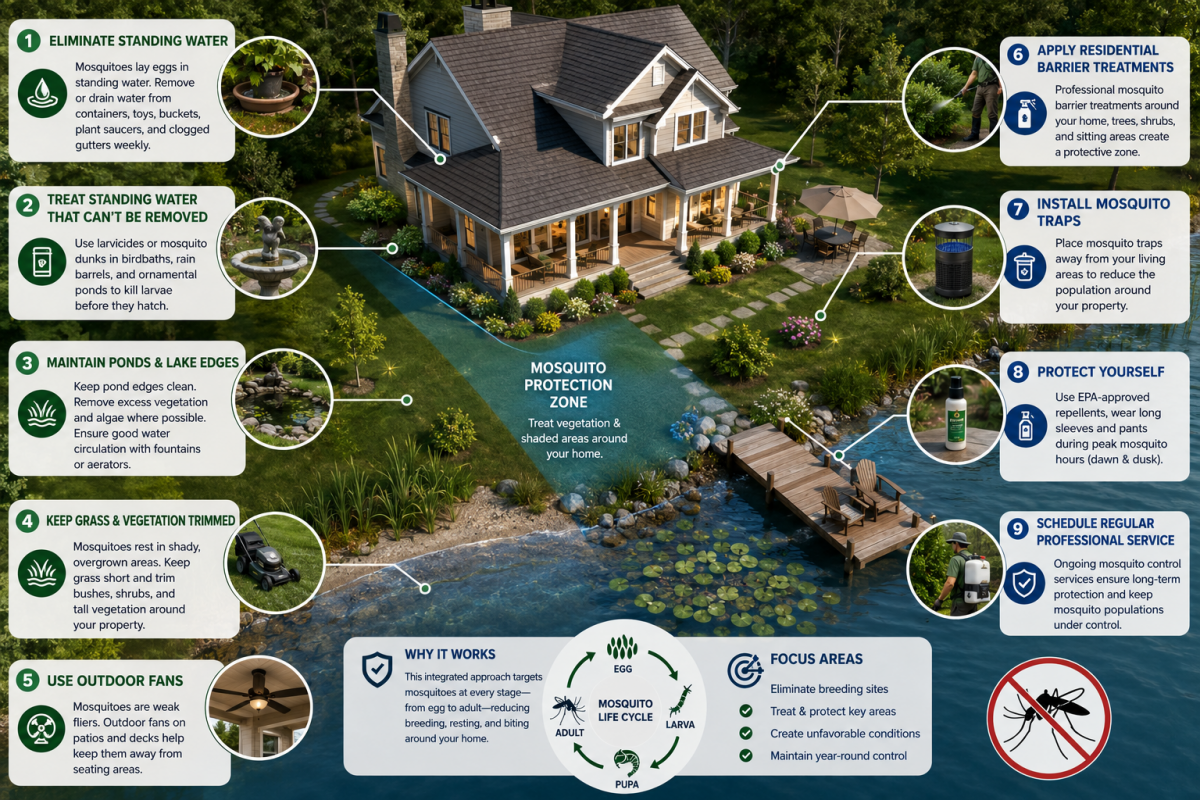
Living near a lake or pond offers beautiful scenery, cooler evenings, and easy access to nature. However, these benefits often come with one persistent challenge: mosquitoes. Because mosquitoes rely on water to complete their life cycle, homes near natural water sources usually experience higher mosquito activity than other locations.

Finding the best mosquito control Pembroke Pines homeowners can learn from starts with understanding mosquito behavior rather than relying on a single solution. According to educational resources shared by EntoLogic Pest Solutions, long-term mosquito management is most effective when multiple prevention strategies are combined instead of depending on one method alone.

Why Homes Near Water Face More Mosquito Activity

Mosquitoes need moisture to survive and reproduce. Lakes, ponds, marshes, and slow-moving water provide ideal environments for laying eggs. Even if a lake itself is well-maintained, nearby puddles, gutters, and containers can become breeding sites.

Understanding the Mosquito Life Cycle

Mosquitoes develop through four stages:

Egg Stage

Female mosquitoes lay eggs on or near water surfaces.

Larval Stage

Larvae remain in water while feeding on microscopic organisms.

Pupal Stage

The mosquito transforms before emerging as an adult.

Adult Stage

Adult mosquitoes leave the water and begin searching for food and breeding opportunities.

Breaking this cycle is one of the most effective ways to reduce mosquito populations.

Why Standing Water Matters

Mosquitoes don’t require large lakes to breed. Surprisingly, just a small amount of stagnant water can support hundreds of developing larvae. That’s why regular inspections around the home are essential.

Common Mosquito Breeding Areas Around Homes

Many homeowners focus on nearby lakes while overlooking breeding sites in their own yards.

Natural Water Sources

Natural breeding locations may include:

  • Pond edges
  • Marshy areas
  • Drainage ditches
  • Wetland vegetation

Artificial Water Collection Points

Human-made containers often become hidden mosquito nurseries, including:

  • Bird baths
  • Flower pots
  • Children’s toys
  • Buckets
  • Clogged gutters
  • Tarps
  • Wheelbarrows
  • Outdoor furniture covers

Regularly emptying these items significantly reduces mosquito breeding opportunities.

The Best Mosquito Control Strategy for Waterfront Homes

The best mosquito control Pembroke Pines property owners can apply involves combining prevention, maintenance, and environmental management.

Eliminate Standing Water Whenever Possible

Water that remains undisturbed for several days creates ideal breeding conditions. Empty containers after rainfall and improve drainage in low-lying areas where water tends to collect.

Maintain Healthy Landscaping

Mosquitoes seek cool, shaded resting places during the day.

Simple landscaping practices include:

  • Trimming shrubs
  • Mowing grass regularly
  • Removing excess weeds
  • Pruning dense vegetation
  • Improving airflow around outdoor seating areas

A cleaner landscape creates fewer hiding places for adult mosquitoes.

Protect Outdoor Living Spaces

Physical barriers remain one of the most reliable forms of protection.

Helpful measures include:

  • Keeping window screens in good condition
  • Repairing torn door screens
  • Using outdoor fans during gatherings
  • Wearing long sleeves during peak mosquito hours

Moving air makes it much harder for mosquitoes to fly and land.

Natural Ways to Reduce Mosquito Populations

Natural Ways to Reduce Mosquito Populations

Many homeowners prefer environmentally friendly practices as part of their mosquito management routine.

Plants That May Help Deter Mosquitoes

While plants alone won’t eliminate mosquitoes, some are commonly grown around patios because of their strong natural scents.

Examples include:

  • Lavender
  • Citronella grass
  • Basil
  • Rosemary
  • Mint

These plants work best when combined with broader mosquito prevention efforts.

Encouraging Natural Predators

Nature already provides several mosquito predators.

Common examples include:

  • Dragonflies
  • Certain fish species
  • Birds
  • Bats

Supporting local biodiversity may contribute to keeping mosquito numbers more balanced over time.

Seasonal Mosquito Prevention Tips

Mosquito control is easier when approached year-round.

Spring Preparation

Spring is the ideal time to:

  • Clean gutters
  • Remove winter debris
  • Inspect drainage
  • Empty stored containers

Addressing these issues early helps reduce mosquito populations before peak season arrives.

Summer Maintenance

During warmer months:

  • Inspect the yard after heavy rain
  • Refresh bird bath water frequently
  • Continue trimming vegetation
  • Monitor shaded areas

Consistency often produces better results than occasional maintenance.

Mistakes That Make Mosquito Problems Worse

Many homeowners unknowingly encourage mosquito activity by:

  • Ignoring clogged gutters
  • Leaving pet bowls outdoors overnight
  • Allowing standing water beneath flower pots
  • Overwatering lawns
  • Neglecting dense shrubs

Avoiding these common mistakes can noticeably reduce mosquito habitat around the home.

How Climate and Humidity Affect Mosquito Activity

Warm temperatures and high humidity create ideal conditions for mosquito development. Regions with frequent rainfall often experience longer mosquito seasons because standing water becomes more common.

Following the best mosquito control Pembroke Pines practices becomes even more important in humid environments where mosquitoes remain active for much of the year.

Creating a Long-Term Mosquito Management Plan

Successful mosquito management isn’t about finding one perfect solution. Instead, it’s about combining several practical habits into a routine.

A long-term strategy includes:

  • Weekly yard inspections
  • Routine landscape maintenance
  • Standing water removal
  • Seasonal property checks
  • Protecting outdoor living spaces

Small actions performed consistently usually produce better long-term results than occasional large efforts.

EntoLogic Pest Solutions Serving the Town Gate Community and Beyond in Pembroke Pines

EntoLogic Pest Solutions is dedicated to serving the diverse needs of the local community of Pembroke Pines, including individuals residing in neighbourhoods like Town Gate. With its convenient location near landmarks such as the FULLANA PROPERTY GROUP INC and major intersections like NW 12th Ct and NW 169th Ave (coordinates: 26.0147129, -80.3701003), we offer best mosquito control services.

Get best mosquito control services at Town Gate Now

Call Us or Contact Us: +1 469-425-8406

Navigate from Town Gate to EntoLogic Pest Solutions Now

Homes located near lakes and ponds naturally experience greater mosquito pressure, but that doesn’t mean mosquitoes have to dominate outdoor living. Understanding their life cycle, reducing breeding sites, maintaining landscaping, and practicing consistent prevention all work together to lower mosquito activity. Learning from educational guidance shared by EntoLogic Pest Solutions helps homeowners understand how integrated mosquito management supports healthier, more comfortable outdoor environments. By applying the best mosquito control in Pembroke Pines strategies consistently, homeowners can significantly reduce mosquito-friendly conditions around their property.

FAQs

1. Why are mosquitoes more common near lakes and ponds?

Mosquitoes require water to complete their life cycle, making nearby water sources favorable breeding environments.

2. How often should standing water be removed?

It’s best to inspect your property weekly and remove standing water after every rainfall whenever possible.

3. Do mosquito-repelling plants completely solve mosquito problems?

No. While certain plants may help discourage mosquitoes, they work best alongside other preventive measures.

4. What time of day are mosquitoes usually most active?

Many mosquito species are most active during early morning and around sunset when temperatures are cooler.

5. What is the best mosquito control Pembroke Pines homeowners should focus on?

The most effective approach combines standing water removal, routine landscape maintenance, outdoor protection measures, and consistent property inspections to reduce mosquito breeding opportunities over time.

Categories
Uncategorized

Which Areas of a Home Need the Most Attention During Pest and Rat Control?

Which Areas of a Home Need the Most Attention During Pest and Rat Control?

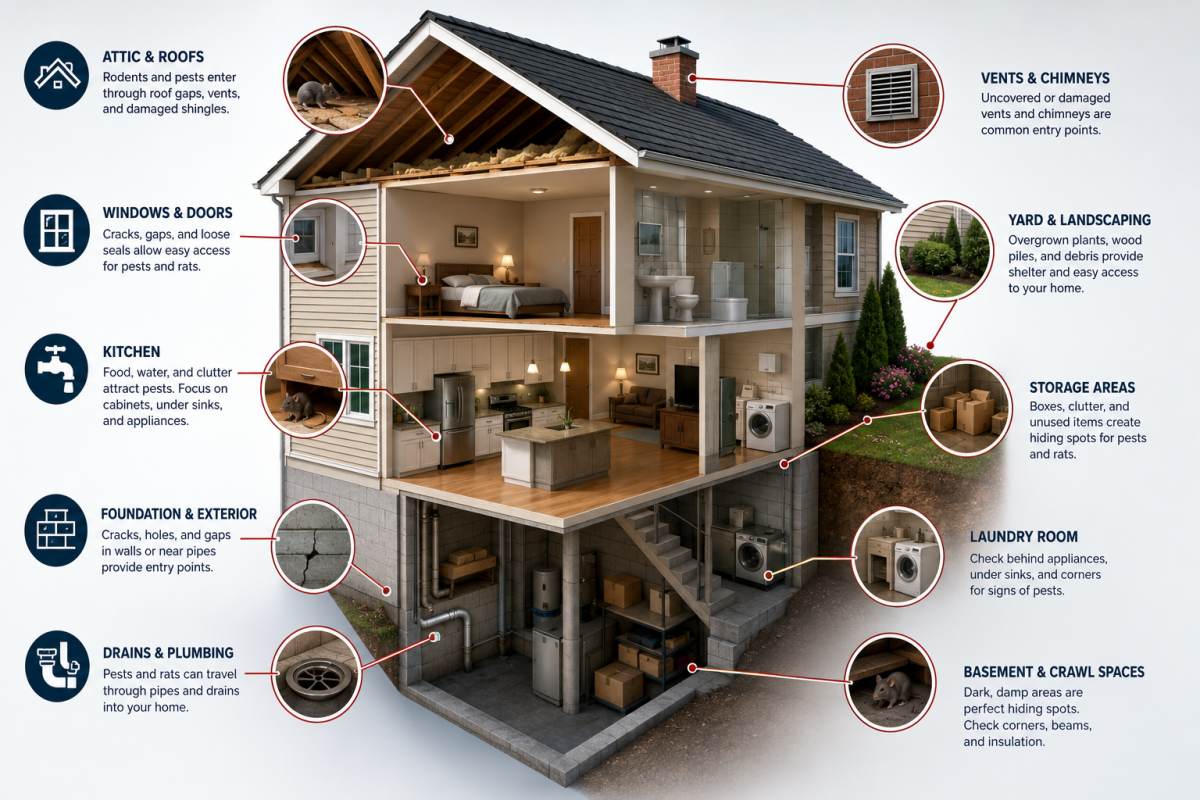
Every home has areas that naturally attract insects and rodents. While many homeowners notice pests only after they become visible, infestations usually begin in hidden locations long before they are discovered. Understanding where pests prefer to live makes prevention much easier and helps reduce the risk of damage to your home.

Whether you’re learning about pest and rat control pembroke pines or simply trying to make your property less attractive to unwanted visitors, knowing which areas deserve extra attention is the first step. Companies like EntoLogic Pest Solutions often educate homeowners on identifying these high-risk locations because prevention starts with awareness.

Why Certain Areas Attract More Pests and Rats

Pests are driven by three basic needs:

  • Food
  • Water
  • Shelter

If any part of your home consistently provides these essentials, it becomes an attractive environment for insects or rodents. Dark, humid, cluttered, and undisturbed areas are especially appealing because they offer protection from predators and weather.

How Pests Enter a Home

Even well-maintained homes have small openings that pests can use.

Common Entry Points Around the Exterior

Common access points include:

  • Gaps beneath doors
  • Cracks in foundations
  • Open utility penetrations
  • Roof vents
  • Damaged window screens
  • Spaces around pipes

Small mice can squeeze through openings barely larger than a dime, making even tiny gaps worth monitoring.

Hidden Gaps That Often Go Unnoticed

Many homeowners overlook spaces behind air conditioning lines, cable entries, plumbing pipes, and exterior vents. These locations often provide direct access into walls and ceilings.

The Kitchen: The Biggest Attraction for Household Pests

The kitchen is usually the most active area for household pests because food and moisture are readily available.

Food Storage Areas

Pantries should be inspected regularly for:

  • Open food packages
  • Crumbs
  • Pet food
  • Spilled grains
  • Expired products

Proper food storage significantly reduces the likelihood of attracting ants, cockroaches, and rodents.

Under Appliances and Cabinets

The spaces beneath refrigerators, ovens, and dishwashers collect grease, crumbs, and moisture over time. Since these areas are cleaned less frequently, they often become ideal hiding places.

Bathrooms and Laundry Rooms

Bathrooms and Laundry Rooms mice control services

Bathrooms provide steady moisture that attracts many insects.

Moisture-Related Pest Problems

Leaking faucets, damp cabinets, slow drains, and poor ventilation create favorable conditions for:

  • Silverfish
  • Cockroaches
  • Drain flies
  • Ants

Laundry rooms may also develop moisture issues from washing machines, utility sinks, or condensation.

Basements and Crawl Spaces

Basements remain cool, dark, and humid throughout much of the year.

Why Rodents Prefer Dark Spaces

Rodents often travel along walls rather than crossing open areas. Basements and crawl spaces provide protection while allowing easy movement through utility lines, insulation, and stored materials.

Cardboard boxes, old furniture, and clutter also create excellent nesting opportunities.

Attics and Roof Spaces

Attics are among the least disturbed areas inside most homes, making them attractive shelters.

Signs of Rat Activity in the Attic

Common indicators include:

  • Scratching sounds
  • Droppings
  • Chewed insulation
  • Gnawed wood
  • Nesting materials
  • Strong odors

Roof openings, damaged vents, and loose shingles may provide easy access.

Garages and Storage Rooms

Garages often contain items that unintentionally attract pests.

Examples include:

  • Bird seed
  • Pet food
  • Cardboard boxes
  • Firewood
  • Gardening supplies

Keeping these materials sealed and reducing clutter makes garages less inviting.

Bedrooms and Living Areas

Although these rooms usually contain fewer food sources, pests may still enter while searching for shelter.

Bed bugs, spiders, and occasional ants can hide behind furniture, inside closets, beneath beds, and around baseboards. Regular vacuuming and minimizing clutter help reduce hiding places.

Outdoor Spaces Around the Home

Many pest problems begin outside before moving indoors.

Landscaping and Vegetation

Shrubs touching exterior walls provide bridges for insects. Overgrown vegetation also traps moisture and creates shaded environments.

Keeping plants trimmed improves airflow while reducing access to windows and siding.

Trash and Compost Areas

Garbage bins should remain tightly sealed and cleaned regularly.

Food waste, standing liquids, and overflowing containers attract rodents, flies, cockroaches, and other scavenging pests.

Seasonal Changes That Affect Pest Activity

Pest behavior changes throughout the year.

During warmer months, insects become more active as breeding increases. In cooler seasons, rats and mice often seek indoor shelter where temperatures remain stable and food is available.

Weather events like heavy rain may also force pests from underground burrows into homes.

Simple Habits That Help Reduce Pest Problems

Consistent home maintenance plays a major role in prevention.

Helpful practices include:

  • Sealing cracks and openings
  • Repairing plumbing leaks
  • Cleaning food spills promptly
  • Storing food in airtight containers
  • Removing clutter
  • Keeping trash containers sealed
  • Trimming vegetation near the home
  • Inspecting attics, basements, and crawl spaces regularly

These small habits reduce the conditions that pests depend upon.

EntoLogic Pest Solutions Serving the SilverLakes Community and Beyond in Pembroke Pines

EntoLogic Pest Solutions is dedicated to serving the diverse needs of the local community of Pembroke Pines, including individuals residing in neighbourhoods like SilverLakes. With its convenient location near landmarks such as the Flanigan’s Seafood Bar and Grill and major intersections like Pines Blvd and NW 172nd Ave (coordinates: 26.0102129, -80.3751102), we offer pest and rat control services.

Get pest and rat control services at SilverLakes Now

Call Us or Contact Us: +1 469-425-8406

Navigate from SilverLakes to EntoLogic Pest Solutions Now

Successful pest management begins with understanding where pests and rodents are most likely to hide. Kitchens, bathrooms, basements, attics, garages, and outdoor spaces each offer unique conditions that attract unwanted visitors if left unchecked. By recognizing these high-risk areas and maintaining a clean, well-sealed home, homeowners can significantly lower the chances of infestations. Whether researching pest and rat control in pembroke pines or learning general prevention strategies, understanding how pests use different parts of a home provides a strong foundation for long-term protection. Educational resources shared by professionals such as EntoLogic Pest Solutions also help homeowners better understand these common risk areas and preventive practices.

Frequently Asked Questions

1. Which room in a home attracts the most pests?

The kitchen typically attracts the most pests because it provides easy access to food, water, and shelter.

2. Why do rats prefer attics and basements?

These areas are usually quiet, dark, and rarely disturbed, making them ideal locations for nesting and movement.

3. How often should homeowners inspect their homes for pests?

A thorough inspection every few months, along with seasonal checks, helps identify potential issues before they become larger infestations.

4. Can outdoor landscaping increase pest activity?

Yes. Overgrown plants, dense shrubs, wood piles, and standing water create favorable environments for many insects and rodents.

5. What is the most effective way to reduce pest activity inside a home?

Maintaining cleanliness, sealing entry points, eliminating moisture, storing food properly, and reducing clutter are among the most effective long-term prevention strategies.

Categories
Uncategorized

Which Home Maintenance Practices Help Support Long-Term Spider Pest Control?

Which Home Maintenance Practices Help Support Long-Term Spider Pest Control?

Spiders are a natural part of the environment and play an important role in controlling insect populations. However, when they begin appearing inside living spaces, they often become an unwelcome sight. While occasional spiders are common, frequent sightings may indicate that your home provides the shelter, moisture, and food sources they need to thrive.

Long-term spider management depends less on reacting to individual spiders and more on maintaining an environment that discourages them from settling indoors. A combination of routine inspections, proper sanitation, structural maintenance, and moisture control can significantly reduce the conditions that attract spiders throughout the year.

For homeowners researching spider pest control pembroke pines, understanding preventive maintenance practices can help support a healthier and less inviting environment for spiders. Companies such as EntoLogic Pest Solutions often emphasize that prevention begins with consistent home care rather than relying on a single treatment.

Why Spiders Enter Homes

Spiders rarely enter homes because they prefer living indoors. Instead, they usually move inside while searching for food, shelter, or protection from changing weather conditions.

Homes provide several attractive features:

  • Stable temperatures
  • Dark hiding places
  • Moist environments
  • Plenty of insects to feed on
  • Limited predators

Once these conditions exist, spiders often remain as long as food sources continue to be available.

The Connection Between Home Maintenance and Spider Activity

The Connection Between Home Maintenance and Spider Activity

Many homeowners focus only on removing spiders after seeing them. However, maintaining the home itself often has a much greater impact on reducing future activity.

Small maintenance issues can gradually create ideal spider habitats without homeowners noticing.

Shelter Opportunities Inside the Home

Spiders prefer areas that experience very little disturbance, including:

  • Basements
  • Garages
  • Storage rooms
  • Attics
  • Closets
  • Crawl spaces

Boxes, unused furniture, seasonal decorations, and stacked storage provide excellent hiding locations.

Food Sources That Attract Spiders

Spiders primarily eat insects.

If flies, ants, mosquitoes, moths, beetles, or other insects regularly enter the home, spiders naturally follow because their food supply increases.

Reducing insect activity often reduces spider activity as well.

How Exterior Maintenance Reduces Spider Habitats

Outdoor maintenance is often overlooked, yet it greatly influences indoor spider populations.

Spiders commonly build webs around outdoor structures before eventually moving inside through small openings.

Managing Landscaping Around the Home

Trees, shrubs, and bushes should remain trimmed away from exterior walls.

Vegetation touching siding or windows creates natural bridges that spiders can use to enter the home.

Maintaining open space around the structure also allows sunlight and airflow to reduce damp conditions that many insects prefer.

Keeping Firewood and Outdoor Storage Organized

Firewood piles, cardboard boxes, gardening supplies, and unused outdoor equipment create sheltered environments for spiders.

Whenever possible:

  • Store firewood off the ground.
  • Keep storage organized.
  • Avoid stacking materials directly against exterior walls.
  • Remove unnecessary debris from the yard.

Why Sealing Entry Points Matters

Even very small openings provide opportunities for spiders to enter.

Routine inspections can identify areas requiring simple repairs before they become larger problems.

Inspecting Doors and Windows

Check for:

  • Worn weather stripping
  • Torn screens
  • Loose door sweeps
  • Damaged window seals

Replacing damaged materials reduces gaps where spiders and insects can enter.

Repairing Cracks and Utility Openings

Inspect foundations, siding, rooflines, vents, and utility penetrations.

Seal:

  • Small cracks
  • Pipe openings
  • Cable entry points
  • Gaps around utility lines

Keeping these openings closed limits access to indoor spaces.

The Importance of Moisture Control

Moisture influences both spiders and the insects they feed upon.

Damp environments support higher insect populations, indirectly attracting spiders.

Fixing Plumbing Leaks

Regularly inspect:

  • Kitchen plumbing
  • Bathroom fixtures
  • Laundry connections
  • Outdoor faucets

Even slow leaks can increase humidity levels inside cabinets and crawl spaces.

Improving Ventilation in Damp Areas

Bathrooms, basements, and laundry rooms benefit from proper ventilation.

Using exhaust fans, maintaining air circulation, and reducing excess humidity helps create less favorable conditions for insects and spiders.

Indoor Cleaning Habits That Discourage Spiders

Regular cleaning removes both webs and potential hiding places.

Consistent housekeeping also makes it easier to detect new spider activity early.

Reducing Clutter

Excess clutter creates protected spaces where spiders can remain undisturbed.

Consider organizing:

  • Storage shelves
  • Closets
  • Garage areas
  • Basement storage
  • Attic spaces

Plastic storage containers often provide better protection than cardboard boxes, which can harbor insects and absorb moisture.

Removing Cobwebs Consistently

Cobweb removal serves two purposes:

  1. It eliminates existing spider webs.
  2. It discourages spiders from repeatedly returning to the same location.

Pay close attention to:

  • Ceiling corners
  • Window frames
  • Light fixtures
  • Garage ceilings
  • Porch ceilings

Managing Outdoor Lighting to Reduce Insects

Bright outdoor lighting attracts many flying insects during the evening.

Since insects attract spiders, lighting indirectly influences spider activity.

Some homeowners reduce insect attraction by:

  • Turning off unnecessary outdoor lights.
  • Using motion-activated lighting.
  • Positioning lights away from entry doors when practical.
  • Selecting bulbs that attract fewer insects.

Although lighting alone will not eliminate spiders, it can reduce available food sources.

Proper Waste and Storage Practices

Garbage, recycling, and storage conditions also influence insect populations.

Helpful practices include:

  • Keeping garbage containers tightly sealed.
  • Cleaning recycling bins regularly.
  • Removing yard waste promptly.
  • Avoiding long-term cardboard storage.
  • Keeping storage areas dry and organized.

Cleaner storage areas generally support fewer insects.

Seasonal Home Maintenance for Spider Prevention

Spider activity changes throughout the year.

Seasonal inspections help identify maintenance needs before they become larger concerns.

Spring tasks may include:

  • Inspecting foundations
  • Cleaning gutters
  • Trimming vegetation
  • Repairing damaged screens

Summer maintenance often focuses on controlling vegetation growth and moisture.

Fall preparations include sealing exterior gaps before cooler weather encourages spiders to move indoors.

Winter offers a good opportunity to inspect attics, garages, and storage areas that receive less attention.

Recognizing Early Warning Signs of Spider Activity

Detecting spider activity early allows homeowners to correct favorable conditions before populations increase.

Common indicators include:

  • Frequent cobwebs
  • Egg sacs
  • Increased insect activity
  • Spiders appearing in multiple rooms
  • Webs around exterior lighting

Observing these signs consistently may indicate that environmental conditions continue supporting spider activity.

How Regular Inspections Support Long-Term Spider Pest Control

Routine inspections are one of the most effective preventive maintenance habits.

Checking both interior and exterior areas several times each year helps identify:

  • Structural gaps
  • Moisture problems
  • Vegetation growth
  • Insect activity
  • Storage issues

Many maintenance concerns develop gradually. Addressing them early often prevents more significant pest issues later.

For homeowners interested in learning more about spider pest control in pembroke pines, understanding how maintenance affects pest behavior provides valuable long-term insight. Professionals, including those at EntoLogic Pest Solutions, generally recognize that successful spider management combines environmental improvements with ongoing monitoring rather than relying on a single solution.

EntoLogic Pest Solutions Serving the Town Gate Community and Beyond in Pembroke Pines

EntoLogic Pest Solutions is dedicated to serving the diverse needs of the local community of Pembroke Pines, including individuals residing in neighbourhoods like Town Gate. With its convenient location near landmarks such as the Panther Run Elementary School and major intersections like NW 9th St and NW 172nd Ave (coordinates: 26.0124629, -80.3776137), we offer spider pest control services.

Get spider pest control services at Town Gate Now

Call Us or Contact Us: +1 469-425-8406

Navigate from Town Gate to EntoLogic Pest Solutions Now

Long-term spider management begins with maintaining a home that offers fewer hiding places, less moisture, and limited food sources. Rather than focusing solely on removing visible spiders, homeowners benefit from addressing the environmental conditions that support their presence.

Simple habits such as sealing entry points, reducing clutter, maintaining landscaping, controlling indoor humidity, removing cobwebs, and inspecting the home throughout the year work together to create an environment that is less attractive to spiders. These preventive practices not only help reduce spider activity but also contribute to better overall home maintenance and fewer pest-related concerns over time.

Frequently Asked Questions

1. Why do spiders continue appearing even after cleaning the house?

Cleaning removes visible spiders and webs, but if insects, moisture, or structural entry points remain, spiders may continue returning. Addressing these underlying conditions supports longer-term prevention.

2. Does reducing insects also reduce spider populations?

Yes. Since spiders feed primarily on insects, lowering insect activity inside and around the home often reduces the availability of food that encourages spiders to stay.

3. How often should a home be inspected for spider prevention?

A thorough inspection at least once every season helps identify cracks, moisture issues, vegetation growth, and other conditions that may support spider activity.

4. Are garages and attics common places for spiders?

Yes. Garages, attics, basements, and storage rooms usually experience less disturbance, making them attractive shelter locations for many spider species.

5. Can landscaping affect indoor spider activity?

Yes. Overgrown shrubs, tree branches touching the home, and outdoor debris create pathways and habitats that may increase the likelihood of spiders moving indoors.

Categories
Uncategorized

How Does Local Pest Control Support Integrated Pest Management for Residential Properties?

How Does Local Pest Control Support Integrated Pest Management for Residential Properties?

Pests are more than just an inconvenience. They can damage property, contaminate food, trigger allergies, and create stressful living conditions for homeowners. As residential communities continue to expand, effective pest management has become increasingly important. One approach that has gained widespread recognition is Integrated Pest Management (IPM), a comprehensive strategy focused on prevention, monitoring, and long-term control.

When discussing IPM, the role of local pest control professionals becomes especially important. Their understanding of regional pest behavior, environmental conditions, and residential risk factors helps homeowners implement practical and sustainable pest management solutions.

For homeowners searching for information about local pest control pembroke pines, understanding how local expertise contributes to Integrated Pest Management can provide valuable insight into maintaining a healthier and more comfortable living environment.

Understanding Integrated Pest Management (IPM)

Integrated Pest Management is a science-based approach that combines multiple pest control methods to reduce pest populations while minimizing risks to people, pets, and the environment.

Rather than relying solely on chemical treatments, IPM focuses on identifying the root causes of infestations and addressing them through a combination of preventive and corrective measures.

The Core Principles of IPM

Integrated Pest Management generally follows four key principles:

  1. Pest identification
  2. Monitoring and assessment
  3. Prevention and exclusion
  4. Targeted control measures

These principles work together to create a long-term strategy rather than a temporary fix.

Why IPM Matters for Homeowners

Think of IPM like preventive healthcare. Instead of waiting until a problem becomes severe, homeowners take proactive steps to reduce risks before they become costly or difficult to manage.

This approach can help reduce recurring infestations while promoting healthier living conditions.

The Growing Need for Pest Management in Residential Areas

The Growing Need for Pest Management in Residential Areas

Residential properties provide everything pests need to survive: food, water, shelter, and protection from predators.

As neighborhoods grow and landscapes change, interactions between people and pests become more frequent.

Common Household Pests and Their Impact

Many residential properties experience issues with:

  • Ants
  • Cockroaches
  • Rodents
  • Mosquitoes
  • Spiders
  • Termites
  • Fleas
  • Bed bugs

Each pest presents unique challenges, ranging from structural damage to potential health concerns.

Factors That Encourage Pest Infestations

Several conditions can attract pests, including:

  • Standing water
  • Food crumbs
  • Overgrown vegetation
  • Poor waste management
  • Moisture problems
  • Unsealed entry points

Understanding these factors is essential for successful IPM implementation.

What Is the Role of Local Pest Control in IPM?

Local pest control providers play a critical role in supporting Integrated Pest Management programs.

Their knowledge extends beyond treatment methods. They understand the environmental conditions, pest pressures, and seasonal patterns specific to the communities they serve.

Local Knowledge and Pest Identification

Accurate pest identification is one of the most important steps in IPM.

Different pests require different management strategies. Misidentifying a pest can lead to ineffective control efforts and wasted resources.

Local professionals are often familiar with the species most commonly encountered in a particular area and can quickly recognize signs of infestation.

Monitoring Pest Activity

Monitoring allows pest populations to be tracked over time.

Instead of treating every pest sighting as an emergency, IPM uses data and observations to determine whether intervention is necessary and what type of response is most appropriate.

Inspection as the Foundation of Effective IPM

A thorough inspection forms the backbone of any successful Integrated Pest Management plan.

Without understanding where pests are entering, hiding, and breeding, long-term control becomes difficult.

Identifying Entry Points

Many pests enter homes through surprisingly small openings.

Common access points include:

  • Foundation cracks
  • Gaps around doors
  • Damaged screens
  • Utility penetrations
  • Roof openings

Finding and addressing these vulnerabilities helps reduce future infestations.

Detecting Environmental Risk Factors

Inspections also identify conditions that support pest activity, such as:

  • Excess moisture
  • Poor drainage
  • Cluttered storage areas
  • Dense landscaping near structures

Correcting these issues often reduces pest pressure significantly.

Prevention Strategies Used in Integrated Pest Management

Prevention is the heart of IPM.

Instead of constantly reacting to infestations, homeowners focus on making their properties less attractive to pests.

Structural Exclusion Methods

Exclusion involves physically preventing pests from entering the home.

Sealing Cracks and Openings

Small gaps can serve as highways for insects and rodents.

Sealing cracks around foundations, windows, doors, and utility lines can dramatically reduce pest entry opportunities.

Managing Moisture Issues

Many pests thrive in damp environments.

Repairing leaks, improving ventilation, and maintaining proper drainage can make a home less inviting to unwanted visitors.

Habitat Modification

Outdoor environments play a significant role in pest activity.

Simple changes such as trimming vegetation, removing debris, and maintaining proper landscaping can reduce harborage areas and breeding sites.

Monitoring and Early Detection Techniques

Monitoring helps identify pest activity before infestations become severe.

Regular Property Assessments

Routine inspections provide valuable information about changing pest conditions.

Early detection often results in more effective and less disruptive management strategies.

Use of Monitoring Devices

Depending on the pest, monitoring tools may include:

  • Sticky traps
  • Rodent stations
  • Mosquito surveillance devices
  • Insect monitoring systems

These tools help track activity and support informed decision-making.

Reducing Reliance on Chemical Treatments

One of the primary goals of IPM is reducing unnecessary pesticide use.

Targeted Applications Instead of Broad Treatments

When control measures are needed, IPM encourages precise interventions.

Targeted treatments focus on specific problem areas rather than applying products indiscriminately across an entire property.

The Importance of Responsible Pest Control

Responsible pest management balances effectiveness with safety.

By integrating prevention, monitoring, and exclusion techniques, homeowners can often achieve better results with fewer chemical interventions.

How Local Expertise Improves Pest Management Outcomes

Local knowledge is one of the greatest strengths of community-based pest management programs.

Understanding Regional Pest Behavior

Pest activity varies widely depending on climate, geography, and environmental conditions.

Professionals familiar with local pest control in pembroke pines challenges understand which pests are most active throughout the year and how local conditions influence infestations.

Seasonal Pest Trends in Residential Communities

Different seasons often bring different pest concerns.

For example:

  • Warm weather may increase mosquito activity.
  • Rainy periods can encourage ant invasions.
  • Cooler months may drive rodents indoors.

Recognizing these seasonal patterns helps homeowners prepare proactively.

Education and Homeowner Participation in IPM

Integrated Pest Management works best when homeowners actively participate in prevention efforts.

Practical Steps Residents Can Take

Residents can support IPM by:

  • Storing food properly
  • Cleaning spills promptly
  • Managing waste effectively
  • Eliminating standing water
  • Maintaining landscaping
  • Reporting pest activity early

These habits contribute significantly to long-term success.

Building Long-Term Prevention Habits

Just as daily exercise promotes good health, consistent prevention habits promote a pest-resistant home.

Small actions performed regularly often produce substantial results over time.

Benefits of Integrated Pest Management for Residential Properties

The advantages of IPM extend beyond simply controlling pests.

Health and Safety Advantages

Reducing pest populations can help lower exposure to:

  • Allergens
  • Disease-carrying pests
  • Food contamination risks

A healthier home environment benefits everyone in the household.

Environmental Benefits

IPM supports environmentally responsible practices by emphasizing prevention and targeted interventions.

This approach helps reduce unnecessary impacts on beneficial insects and surrounding ecosystems.

Long-Term Property Protection

Pests such as termites and rodents can cause significant structural damage if left unchecked.

Early detection and preventive measures help preserve the integrity of residential properties.

The Contribution of EntoLogic Pest Solutions to IPM Awareness

Organizations such as EntoLogic Pest Solutions help raise awareness about the importance of Integrated Pest Management principles within residential communities.

By emphasizing inspection, monitoring, prevention, and responsible control practices, educational efforts surrounding IPM encourage homeowners to adopt more sustainable pest management strategies.

As interest in local pest control pembroke pines continues to grow, understanding IPM concepts can help residents make informed decisions about protecting their homes and maintaining healthy living environments. Commercial pest control is a major factor in commercial areas.

Common Misconceptions About Integrated Pest Management

Many people misunderstand what IPM actually involves.

Some common myths include:

  • IPM means never using pesticides.
  • IPM only works for minor infestations.
  • IPM is too complicated for homeowners.
  • Prevention alone solves every pest problem.

In reality, IPM is a flexible system that combines multiple strategies to achieve effective, long-term results.

Future Trends in Residential Pest Management

Technology continues to influence how pest management is conducted.

Emerging trends include:

  • Smart monitoring devices
  • Data-driven pest tracking
  • Improved inspection tools
  • Environmentally focused management strategies
  • Enhanced homeowner education programs

These developments are expected to strengthen IPM programs and improve residential pest prevention efforts.

EntoLogic Pest Solutions Serving the SilverLakes Community and Beyond in Pembroke Pines

EntoLogic Pest Solutions is dedicated to serving the diverse needs of the local community of Pembroke Pines, including individuals residing in neighbourhoods like SilverLakes. With its convenient location near landmarks such as the Xtreme Gardens and major intersections like Pines Blvd and NW 172nd Ave (coordinates: 26.0102129, -80.3726066), we offer local pest control services.

Get local pest control services at SilverLakes Now

Call Us or Contact Us: +1 954-955-3031

Navigate from SilverLakes to EntoLogic Pest Solutions Now

<iframe src=”https://www.google.com/maps/embed?pb=!1m28!1m12!1m3!1d14343.384380600986!2d-80.38960761325863!3d26.00585852040159!2m3!1f0!2f0!3f0!3m2!1i1024!2i768!4f13.1!4m13!3e6!4m5!1s0x88d9a3e10e38808d%3A0x6bf033395ae1df0d!2sSilverLakes%2C%20Pembroke%20Pines%2C%20FL%2033029%2C%20USA!3m2!1d25.9981318!2d-80.38256679999999!4m5!1s0x87c96e52feffc22d%3A0xe87b7b7de372420f!2sEntoLogic%20Pest%20Solutions%2C%20827%20NW%20170th%20Terrace%2C%20Pembroke%20Pines%2C%20FL%2033028%2C%20United%20States!3m2!1d26.0121342!2d-80.3731643!5e0!3m2!1sen!2s!4v1781415298266!5m2!1sen!2s” width=”600″ height=”450″ style=”border:0;” allowfullscreen=”” loading=”lazy” referrerpolicy=”no-referrer-when-downgrade”></iframe>

Integrated Pest Management represents a thoughtful and sustainable approach to residential pest control. Rather than focusing solely on eliminating pests after they appear, IPM emphasizes prevention, monitoring, education, and targeted interventions. Local pest control professionals contribute valuable regional knowledge that helps homeowners identify risks, address vulnerabilities, and maintain healthier living spaces.

For residents interested in learning more about local pest control pembroke pines, understanding the principles of IPM provides a strong foundation for making informed decisions about pest prevention and property protection. By combining professional expertise, homeowner participation, and long-term planning, Integrated Pest Management offers a practical path toward safer and more effective pest management for residential properties.

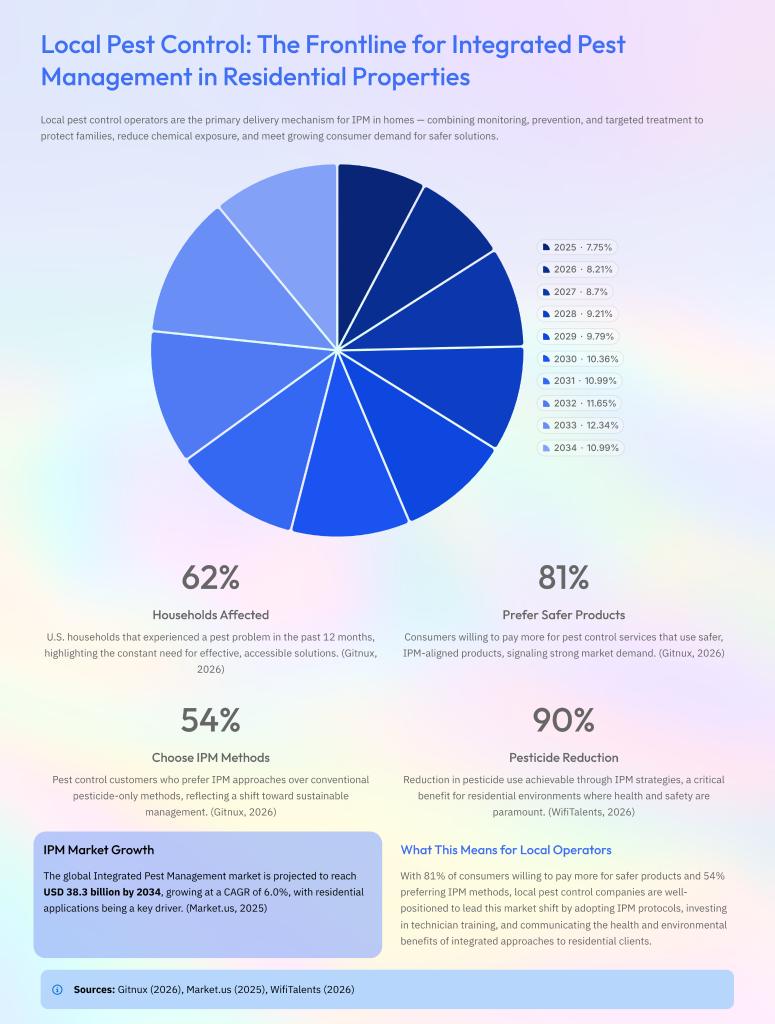
Local Pest Control: The Frontline for Integrated Pest Management (IPM) in Residential Properties

Supporting IPM Through Data and Demand

  • Pervasive Pest Problems: 62% of U.S. households experienced a pest problem in the past 12 months, underscoring the constant need for effective solutions. (Gitnux, 2026)
  • Consumer Preference for Safety: A significant 81% of U.S. consumers are willing to pay more for pest control services that utilize safer products, directly aligning with IPM’s core principles. (Gitnux, 2026)
  • Growing IPM Adoption: 54% of pest control customers prefer IPM approaches over conventional pesticide-only methods, indicating a strong market demand for sustainable pest management. (Gitnux, 2026)
  • IPM Market Growth: The global Integrated Pest Management market is projected to reach USD 38.3 billion by 2034, growing at a CAGR of 6.0%, with residential applications being a key driver. (Market.us, 2025)
  • Reduced Pesticide Use: IPM strategies can significantly reduce pesticide use by up to 90%, a critical benefit for residential environments where health and safety are paramount. (WifiTalents, 2026)
Local Pest Control: The Frontline for Integrated Pest Management (IPM) in Residential Properties

Sources: Gitnux (2026), Market.us (2025), WifiTalents (2026)

FAQs

1. What is the main goal of Integrated Pest Management?

The primary goal of IPM is to prevent and manage pest problems through monitoring, prevention, and targeted control methods while minimizing risks to people and the environment.

2. How does local pest control contribute to IPM programs?

Local pest control professionals provide regional expertise, accurate pest identification, inspections, monitoring, and recommendations that support long-term pest prevention strategies.

3. Can Integrated Pest Management reduce pesticide use?

Yes. IPM emphasizes prevention, exclusion, and monitoring, which often reduces the need for routine or broad pesticide applications.

4. Why is pest monitoring important in residential properties?

Monitoring helps detect pest activity early, allowing homeowners to address problems before infestations become severe or cause significant damage.

5. What homeowner actions support successful IPM?

Maintaining cleanliness, eliminating standing water, sealing entry points, managing landscaping, and promptly addressing moisture issues are all important actions that support Integrated Pest Management.

Categories
Uncategorized

Which Outdoor Mosquito Control Practices Help Maintain Long-Term Mosquito Reduction?

Which Outdoor Mosquito Control Practices Help Maintain Long-Term Mosquito Reduction?

Mosquitoes are more than just a seasonal annoyance. Their presence can make outdoor spaces uncomfortable, disrupt recreational activities, and create ongoing concerns for homeowners and businesses alike. While many people focus on quick fixes, long-term mosquito reduction requires a deeper understanding of mosquito behavior and the environmental conditions that support their survival.

Successful mosquito management is not about eliminating mosquitoes overnight. Instead, it involves creating an outdoor environment that becomes increasingly difficult for mosquitoes to use for breeding, resting, and feeding.

For property owners interested in effective outdoor mosquito control pembroke pines, understanding proven long-term practices can help create a more sustainable and comfortable outdoor environment. Organizations such as EntoLogic Pest Solutions often emphasize integrated approaches that focus on prevention and habitat reduction rather than relying solely on temporary measures.

Why Mosquitoes Thrive Outdoors

Before discussing control practices, it is important to understand why mosquitoes are attracted to certain outdoor environments.

Mosquitoes require three basic elements to survive:

  • Water for breeding
  • Shelter for resting
  • Access to hosts for feeding

When these conditions exist together, mosquito populations can increase rapidly.

The Mosquito Life Cycle and Its Importance

Mosquitoes undergo four life stages:

  1. Egg
  2. Larva
  3. Pupa
  4. Adult

The first three stages occur in water. This is why even small amounts of standing water can support large mosquito populations. A single overlooked container can produce dozens or even hundreds of mosquitoes over time.

Understanding this life cycle highlights why prevention efforts often begin with water management.

Common Outdoor Breeding Areas

Many breeding sites are surprisingly small and easy to miss. Common examples include:

  • Birdbaths
  • Flowerpot saucers
  • Clogged gutters
  • Children’s toys
  • Tarps
  • Buckets
  • Drainage ditches
  • Old tires

Mosquitoes do not need ponds or lakes to reproduce. In many cases, just a few ounces of stagnant water are enough. There should also be rodent pest control.

Why Long-Term Mosquito Reduction Requires a Multi-Step Approach

Why Long-Term Mosquito Reduction Requires a Multi-Step Approach

Many people expect a single treatment or intervention to solve mosquito issues permanently. Unfortunately, mosquito populations are influenced by weather, rainfall, vegetation, and neighboring properties.

Short-Term vs Long-Term Mosquito Control

Short-term strategies may temporarily reduce adult mosquito populations. However, if breeding habitats remain unchanged, new mosquitoes will continue emerging.

Long-term reduction focuses on:

  • Habitat modification
  • Water management
  • Vegetation control
  • Regular inspections
  • Ongoing monitoring

Think of mosquito control like maintaining a healthy garden. Consistent attention produces lasting results, while occasional efforts provide only temporary improvements.

Environmental Factors That Influence Mosquito Activity

Several environmental factors contribute to mosquito abundance:

  • Warm temperatures
  • High humidity
  • Frequent rainfall
  • Dense vegetation
  • Poor drainage

These conditions are commonly found in subtropical climates, making long-term prevention particularly important.

Eliminating Standing Water Sources

One of the most effective mosquito reduction practices is removing standing water wherever possible.

Since mosquitoes depend on water for reproduction, eliminating breeding sites interrupts their life cycle before adult mosquitoes emerge.

Inspecting Residential Properties Regularly

Regular inspections help identify potential problem areas before mosquito populations expand.

Property owners should inspect:

  • Gutters
  • Downspouts
  • Outdoor containers
  • Decorative features
  • Equipment storage areas

Weekly inspections during warmer months can significantly reduce breeding opportunities.

Hidden Water Collection Areas

Some of the most productive mosquito breeding locations are hidden from plain view.

Examples include:

  • Folded tarps
  • Roof depressions
  • Unused planters
  • Tree holes
  • Abandoned equipment

These areas often remain unnoticed for long periods, allowing mosquitoes to breed repeatedly.

Seasonal Maintenance Tips

Seasonal maintenance can reduce standing water accumulation.

Helpful practices include:

  • Cleaning gutters regularly
  • Removing debris from drainage systems
  • Emptying unused containers
  • Repairing leaks
  • Adjusting irrigation systems

Small maintenance tasks often provide substantial long-term benefits.

Maintaining Healthy Landscaping Practices

Landscaping plays a significant role in mosquito activity.

Mosquitoes prefer cool, shaded, and humid resting areas. Overgrown vegetation provides ideal shelter during the day.

Managing Dense Vegetation

Dense plant growth can trap moisture and create favorable resting sites.

Consider:

  • Reducing excessive ground cover
  • Trimming dense shrubs
  • Removing unnecessary vegetation
  • Increasing airflow through landscaping

Improved air circulation makes outdoor spaces less attractive to mosquitoes.

Proper Lawn and Shrub Maintenance

Routine lawn care contributes to mosquito reduction.

Maintaining:

  • Trimmed grass
  • Pruned shrubs
  • Clean landscape borders

helps reduce shaded, humid areas where mosquitoes often rest between feeding periods.

Encouraging Natural Mosquito Predators

Nature provides several allies that help keep mosquito populations under control.

While predators alone will not eliminate mosquitoes, they can contribute to a balanced ecosystem.

Beneficial Wildlife That Helps Control Mosquitoes

Natural mosquito predators include:

  • Dragonflies
  • Certain fish species
  • Frogs
  • Some bird species
  • Bats

These animals consume mosquitoes or mosquito larvae and may help reduce local populations when suitable habitats are maintained.

Creating environmentally diverse landscapes often supports healthier predator populations.

Using Outdoor Water Features Responsibly

Water features add beauty to outdoor spaces, but they can also become mosquito breeding habitats if neglected.

Preventing Water Features from Becoming Breeding Sites

Proper maintenance is essential.

Helpful practices include:

  • Keeping water circulating
  • Cleaning debris regularly
  • Maintaining filtration systems
  • Monitoring water quality

Moving water is generally less attractive to mosquitoes than stagnant water.

Regular inspections ensure water features remain decorative rather than problematic.

Improving Drainage Around the Property

Poor drainage creates ideal breeding conditions after rainfall.

Even temporary puddles can support mosquito development.

Identifying Poor Drainage Problems

Common signs include:

  • Standing water after rain
  • Soggy lawns
  • Water pooling near foundations
  • Persistent wet spots

Addressing drainage issues not only helps reduce mosquitoes but also improves overall property health.

Potential improvements may involve:

  • Regrading soil
  • Installing drainage systems
  • Maintaining swales
  • Clearing blocked drains

Outdoor Sanitation and Waste Management

Clean outdoor environments tend to support fewer mosquito-friendly conditions.

Accumulated debris can trap moisture and create protected resting areas.

Reducing Mosquito-Friendly Conditions

Outdoor sanitation practices include:

  • Removing yard debris
  • Storing equipment properly
  • Managing waste containers
  • Cleaning storage areas

Think of sanitation as removing the welcome mat that encourages mosquitoes to stay.

The cleaner and drier the environment, the less attractive it becomes.

Seasonal Monitoring and Prevention Strategies

Mosquito activity changes throughout the year. Effective prevention adapts to seasonal conditions.

Spring and Summer Prevention

Spring and summer often bring increased rainfall and warmer temperatures.

Recommended actions include:

  • Frequent property inspections
  • Monitoring standing water
  • Maintaining landscaping
  • Checking drainage systems

Early intervention prevents population explosions later in the season.

Fall and Winter Maintenance

Although mosquito activity may decline, prevention should continue.

Fall and winter are excellent times to:

  • Repair drainage issues
  • Remove unnecessary containers
  • Clean gutters
  • Evaluate landscaping needs

Off-season maintenance lays the foundation for future mosquito control success.

Community-Wide Mosquito Reduction Efforts

Mosquitoes do not recognize property boundaries.

A well-maintained yard can still experience mosquito pressure if nearby properties contain breeding sites.

Why Neighborhood Participation Matters

Community-wide efforts often produce stronger results because they reduce breeding opportunities across larger areas.

Examples include:

  • Neighborhood cleanup initiatives
  • Public education programs
  • Shared drainage maintenance
  • Community awareness campaigns

When multiple properties participate, mosquito populations often decline more effectively than through isolated efforts.

The Role of Professional Monitoring and Inspection

Long-term mosquito management often benefits from professional assessments.

Trained professionals can identify breeding sources that property owners may overlook and provide recommendations based on environmental conditions.

In regions where mosquito activity remains persistent, professional monitoring programs can help evaluate population trends and identify emerging risk areas.

For those researching outdoor mosquito control in pembroke pines, educational resources from companies such as EntoLogic Pest Solutions frequently emphasize the importance of combining environmental management, habitat reduction, and ongoing monitoring to support sustainable mosquito reduction goals.

EntoLogic Pest Solutions Serving the SilverLakes Community and Beyond in Pembroke Pines

EntoLogic Pest Solutions is dedicated to serving the diverse needs of the local community of Pembroke Pines, including individuals residing in neighbourhoods like SilverLakes. With its convenient location near landmarks such as the Xtreme Gardens and major intersections like Pines Blvd and NW 172nd Ave (coordinates: 26.0102129, -80.3726066), we offer outdoor mosquito control services.

Get outdoor mosquito control services at SilverLakes Now

Call Us or Contact Us: +1 954-955-3031

Navigate from SilverLakes to EntoLogic Pest Solutions Now

Long-term mosquito reduction is rarely achieved through a single action. Instead, it requires a combination of consistent practices that address the factors mosquitoes need to survive. Eliminating standing water, maintaining healthy landscaping, improving drainage, encouraging natural predators, and conducting regular inspections all contribute to a more effective mosquito management strategy.

The most successful mosquito prevention plans focus on disrupting the mosquito life cycle before populations become established. By approaching mosquito control as an ongoing environmental management effort rather than a temporary fix, property owners can create outdoor spaces that remain more comfortable and less inviting to mosquitoes year after year.

Long-Term Mosquito Reduction: A Comparative Look at Outdoor Control Practices

  • Larviciding: Studies in rural south-eastern Tanzania (2026) have modeled larviciding as a supplementary intervention, showing its potential for district-level mosquito population control. While specific quantitative reduction percentages are still under simulation, the approach targets mosquito breeding sites directly, aiming for long-term impact by preventing adult emergence.
    • Visual Idea: A bar chart showing simulated mosquito population reduction over time with and without larviciding.
  • Sterile Insect Technique (SIT): On Captiva Island, Florida, USA, the sterile insect technique was employed against Aedes aegypti from 2020 to 2022. This method demonstrated significant suppression of the target mosquito population, indicating a promising approach for sustained reduction.
    • Visual Idea: A line graph showing a sharp decline in Aedes aegypti populations during the SIT intervention period.
  • Integrated Vector Management (IVM) with Indoor Residual Spraying (IRS) and Long-Lasting Insecticidal Nets (LLINs): In eastern Uganda, research from 2016 indicated that high coverage of LLINs combined with indoor residual spraying (IRS) significantly decreased malaria vector densities. The impact on Anopheles funestus was particularly notable, with a Rate Ratio of 0.1508, suggesting a substantial long-term reduction when these interventions are sustained.
    • Visual Idea: A comparative bar chart showing the reduction in vector densities for different mosquito species under combined IRS and LLIN use versus baseline.
  • Outdoor Biting Mosquito Control: Research in Zanzibar (2019) highlighted that a majority of exposure to malaria vector bites occurred outdoors, even for insecticide-treated net (ITN) users. This underscores the need for supplementary interventions targeting outdoor biting mosquitoes to achieve comprehensive, long-term reduction.
    • Visual Idea: A pie chart illustrating the proportion of mosquito bites occurring indoors vs. outdoors, emphasizing the outdoor gap.
Long-Term Mosquito Reduction: A Comparative Look at Outdoor Control Practices

Sources: PLOS One (2026), PLOS Neglected Tropical Diseases (2025), Parasites & Vectors (2016), SCIENCE@home (2019)

Frequently Asked Questions

1. Why is standing water considered the biggest factor in mosquito breeding?

Mosquitoes require water to lay eggs and complete their early life stages. Removing standing water directly interrupts their reproductive cycle and helps reduce future mosquito populations.

2. How often should outdoor areas be inspected for mosquito breeding sites?

Weekly inspections are generally recommended during warm and rainy seasons because mosquito development can occur quickly under favorable conditions.

3. Can landscaping influence mosquito populations?

Yes. Dense vegetation provides shade, moisture, and shelter that mosquitoes prefer. Proper trimming and maintenance can make outdoor areas less attractive to them.

4. Do natural predators completely eliminate mosquitoes?

No. Natural predators help reduce mosquito numbers but usually work best as part of a broader mosquito management strategy.

5. What makes long-term mosquito reduction different from short-term mosquito control?

Long-term reduction focuses on eliminating breeding habitats and modifying environmental conditions, while short-term control typically targets existing adult mosquitoes for temporary relief.

Categories
Uncategorized

How Do Commercial Pest Control Services Support Food Safety Programs in Business Operations?

How Do Commercial Pest Control Services Support Food Safety Programs in Business Operations?

How Do Commercial Pest Control Services Support Food Safety Programs in Business Operations?

Food safety is one of the most critical responsibilities for any business that handles, stores, processes, distributes, or serves food. Whether it is a restaurant, food manufacturing plant, grocery store, warehouse, or catering facility, maintaining a safe environment is essential for protecting customers and preserving product quality.

One of the biggest threats to food safety is pest activity. Rodents, cockroaches, flies, and stored product insects can introduce harmful pathogens, contaminate food supplies, and damage a company’s reputation. This is why pest management has become an essential component of modern food safety programs.

Businesses that work with experienced providers such as EntoLogic Pest Solutions often incorporate pest prevention strategies into broader food safety initiatives. Understanding how commercial pest control services pembroke pines support these programs can help organizations build stronger, safer, and more compliant operations.

Why Food Safety Programs Require Effective Pest Management

Every successful food safety program focuses on risk prevention. Residential Pest control helps eliminate one of the most common contamination risks in food-related environments.

Regulatory Compliance and Pest Prevention

Many food businesses operate under strict health and safety regulations. Regulatory agencies and food safety standards often require businesses to demonstrate active pest management measures.

Routine inspections, monitoring systems, and documented prevention efforts help businesses maintain compliance and reduce operational risks.

Protecting Consumer Health

Consumers trust businesses to provide safe food products. Pest infestations can introduce harmful microorganisms that lead to foodborne illnesses.

Preventing pest activity protects customers from potential health risks while helping businesses maintain public confidence and trust.

Common Pests That Threaten Food Safety

Different pests create different challenges within food facilities. Understanding these threats is the first step toward effective prevention.

Rodents

Rodents are among the most destructive pests in food environments. Mice and rats contaminate food through urine, droppings, and nesting materials.

They can also chew electrical wiring, damage packaging, and create sanitation concerns throughout a facility.

Cockroaches

Cockroaches thrive in warm, moist environments and often hide in kitchens, storage rooms, and food preparation areas.

They can spread bacteria across surfaces and food-contact areas, increasing contamination risks.

Flies

Flies frequently travel between waste sources and food preparation areas. During this movement, they may carry harmful pathogens on their bodies and transfer them to food products.

Stored Product Pests

Beetles, moths, and weevils commonly infest grains, flour, cereals, and packaged foods.

These pests can cause extensive product losses and create serious quality control challenges.

How Commercial Pest Control Services Strengthen Food Safety Programs?

How Commercial Pest Control Services Strengthen Food Safety Programs?

Professional pest management contributes to food safety in multiple ways.

Preventing Food Contamination

One of the primary goals of pest control is preventing contamination before it occurs.

By identifying risk areas, implementing preventive measures, and addressing pest activity early, businesses can significantly reduce threats to food safety.

Supporting Hazard Analysis and Risk Management

Food safety programs often rely on hazard analysis principles to identify and manage risks.

Pest management professionals help businesses recognize vulnerable areas, assess potential threats, and implement targeted prevention strategies that support overall risk management efforts.

Monitoring and Documentation

Food safety programs require consistent monitoring and recordkeeping.

Professional pest management programs typically include detailed reports, inspection findings, treatment records, and corrective action recommendations. These records support audits and demonstrate ongoing compliance efforts.

The Role of Inspection in Pest Prevention

Regular inspections are one of the most valuable components of a pest management program.

Identifying Entry Points

Pests enter facilities through surprisingly small openings. Cracks, gaps around doors, damaged screens, and utility penetrations can all provide access.

Routine inspections help identify these vulnerabilities before they become larger problems.

Detecting Early Signs of Infestation

Finding pest activity early can prevent major infestations.

Inspectors look for droppings, nesting materials, insect activity, damaged packaging, and other warning signs that indicate potential issues.

Early intervention often results in more effective and less disruptive solutions.

Integrated Pest Management and Food Safety

Many food businesses use Integrated Pest Management (IPM) as part of their food safety strategy.

IPM focuses on prevention, monitoring, and environmental management rather than relying solely on pesticide applications.

Prevention-Based Strategies

Preventing pests is generally more effective than reacting to infestations after they occur.

Sanitation Improvements

Clean facilities are less attractive to pests.

Proper waste management, routine cleaning, spill removal, and sanitation procedures help eliminate food and water sources that pests depend on.

Structural Exclusion Methods

Exclusion involves preventing pests from entering a facility.

Sealing cracks, repairing doors, installing screens, and maintaining building integrity can significantly reduce pest access.

Environmental Monitoring

Monitoring devices provide valuable information about pest activity trends.

These tools help identify high-risk areas and support data-driven decision-making.

Employee Awareness and Pest Prevention

Employees play a critical role in supporting food safety and pest prevention efforts.

Staff Reporting Procedures

Workers are often the first to notice signs of pest activity.

Establishing clear reporting procedures encourages prompt action and helps prevent small issues from becoming major infestations.

Good Housekeeping Practices

Simple housekeeping practices can make a significant difference.

Employees who properly store food, clean work areas, and manage waste contribute directly to a safer environment.

Pest Control Challenges in Different Food Businesses

Different sectors face unique pest management challenges.

Restaurants

Restaurants handle food continuously and often operate long hours.

Frequent deliveries, high customer traffic, and food waste can create opportunities for pest activity if preventive measures are not maintained.

Food Processing Facilities

Processing facilities handle large volumes of raw materials and finished products.

Maintaining strict sanitation standards and monitoring systems is essential for minimizing risks.

Warehouses and Storage Centers

Warehouses often store products for extended periods.

Stored product pests, rodents, and environmental conditions can create challenges that require ongoing monitoring and preventive maintenance.

Documentation and Audit Readiness

Food safety audits often evaluate pest management practices as part of overall compliance assessments.

Comprehensive documentation demonstrates that a business actively manages pest risks and follows established procedures.

Important records may include:

  • Inspection reports
  • Monitoring logs
  • Corrective action records
  • Trend analysis reports
  • Sanitation recommendations
  • Facility improvement documentation

Well-organized records help businesses prepare for inspections and demonstrate commitment to food safety.

How Technology Improves Modern Pest Control Programs

Technology has transformed pest management in food-related industries.

Digital monitoring systems, remote sensors, data analytics, and electronic reporting tools provide valuable insights into pest activity patterns.

These technologies help businesses identify trends, respond more quickly to risks, and maintain more accurate records.

Data-driven pest management also supports continuous improvement within food safety programs.

Long-Term Benefits of Professional Pest Management

Effective pest management delivers benefits that extend beyond immediate pest prevention.

Some of the most significant long-term advantages include:

  • Improved food safety performance
  • Reduced contamination risks
  • Enhanced regulatory compliance
  • Better audit outcomes
  • Reduced product loss
  • Improved operational efficiency
  • Stronger consumer confidence
  • Protection of business reputation

A proactive approach creates a safer environment for employees, customers, and products alike.

The Importance of Choosing Qualified Pest Control Providers

Food-related businesses often require specialized pest management expertise.

Qualified professionals understand industry regulations, food safety standards, pest biology, and facility-specific risks.

Organizations such as EntoLogic Pest Solutions may support businesses by providing structured pest management programs that align with food safety objectives.

Businesses exploring commercial pest control services in pembroke pines often focus on providers that emphasize prevention, monitoring, documentation, and long-term risk reduction as part of broader food safety efforts.

EntoLogic Pest Solutions Serving the SilverLakes Community and Beyond in Pembroke Pines

EntoLogic Pest Solutions is dedicated to serving the diverse needs of the local community of Pembroke Pines, including individuals residing in neighbourhoods like SilverLakes. With its convenient location near landmarks such as the Panther Run Elementary School and major intersections like NW 9th St and NW 170th Terrace (coordinates: 26.0124629, -80.3751102), we offer commercial pest control services services.

Get commercial pest control services at SilverLakes Now

Call Us or Contact Us: +1 954-955-3031

Navigate from SilverLakes to EntoLogic Pest Solutions Now

Food safety programs depend on multiple layers of protection, and pest management is one of the most important. Pests can introduce contamination risks, damage products, and compromise regulatory compliance if left unchecked.

Commercial pest control programs support food safety by preventing infestations, identifying risks early, improving monitoring practices, strengthening documentation, and supporting regulatory requirements. Through routine inspections, Integrated Pest Management strategies, employee awareness, and modern monitoring technologies, businesses can create safer environments and maintain higher food safety standards.

As food safety expectations continue to evolve, pest prevention remains a foundational component of responsible business operations and long-term success.

The Critical Role of Pest Management in Safeguarding Food Businesses

  • Global Market Growth: The global pest control market is projected to reach USD $42.8 billion by 2034, with a steady 5.2% CAGR (2025-2034). The U.S. market alone was valued at USD $11.4 billion in 2026.
    • (Chart Idea: Bar chart showing global market size projection from 2025-2034, with a distinct bar for the US market in 2026.)
  • Economic Impact of Pests on Food: Insect damage in stored corn and wheat alone is estimated to cause up to USD $2.5 billion in post-harvest losses annually in the U.S. Rodents consume or contaminate approximately 20% of the world’s food supply.
    • (Chart Idea: Infographic or pie chart illustrating the percentage of global food supply lost to rodents, alongside a bar chart showing annual post-harvest losses in the US.)
  • Driving Force: Food Safety Regulations: Stringent regulations like the FDA Food Safety Modernization Act (FSMA) and the EU’s Integrated Pest Management Directive are major drivers for specialized pest control services in sectors like restaurants and food processing plants.
    • (Chart Idea: A simple icon-based visual representing regulatory bodies and a growing arrow indicating increased demand for pest control services.)
  • Adoption of Safer Practices:67% of commercial pest control services now adopt Integrated Pest Management (IPM) approaches. Furthermore, 81% of consumers are willing to pay more for pest control services that use safer products.
    • (Chart Idea: A donut chart showing the adoption rate of IPM vs. conventional methods in commercial settings, and a separate bar chart illustrating consumer willingness to pay for safer products.)
  • Commercial Sector Dominance: While the overall market is split, commercial pest control services are crucial for businesses, with an average commercial pest contract for warehouse/industrial facilities costing USD $450/month and an 84% annual recurring revenue retention rate.
    • (Chart Idea: A stacked bar chart showing the commercial vs. residential revenue split, with a call-out box for the average commercial contract value and retention rate.)
The Critical Role of Pest Management in Safeguarding Food Businesses

Sources: Scayled Data (May 2026), Dataintelo (May 2026), Space Coast Daily (Oct 2025), Gitnux (Feb 2026), WifiTalents (Feb 2026).

FAQs

1. Why is pest control important for food safety programs?

Pest control helps prevent contamination, protects food products, reduces health risks, and supports compliance with food safety regulations.

2. What pests are most commonly found in food facilities?

Common pests include rodents, cockroaches, flies, beetles, moths, and other stored product insects that can contaminate food and storage areas.

3. How does Integrated Pest Management support food safety?

Integrated Pest Management focuses on prevention, monitoring, sanitation, exclusion, and targeted control measures to reduce pest risks while supporting food safety objectives.

4. What role do inspections play in food safety pest management?

Regular inspections help identify entry points, detect pest activity early, evaluate facility conditions, and prevent infestations before they become serious problems.

5. How do commercial pest control services contribute to audit readiness?

Professional pest management programs provide inspection reports, monitoring records, corrective action documentation, and compliance support that can assist businesses during food safety audits.

Categories
Uncategorized

What Role Does Heat Treatment Play in Modern Bed Bugs Control Services?

What Role Does Heat Treatment Play in Modern Bed Bugs Control Services?

Bed bugs have become one of the most persistent household pests in modern urban and suburban environments. Once largely controlled in many regions, these insects have made a significant comeback over the past few decades. Increased travel, the movement of secondhand furniture, and growing resistance to certain pesticides have all contributed to their resurgence.

Unlike many pests that remain outdoors, bed bugs thrive in close proximity to humans. They hide in bedrooms, living rooms, hotels, apartments, and even office spaces. Their ability to remain concealed during daylight hours often allows infestations to grow unnoticed for weeks or months. As a result, modern pest management professionals have been forced to develop more advanced treatment strategies.

Among the various tools available today, heat treatment has emerged as one of the most effective methods used by professionals. Many providers offering bed bugs control services pembroke pines incorporate heat treatment into comprehensive management programs because of its ability to target bed bugs throughout an entire structure. There should be proper bed bug control.

What Are Bed Bugs and Why Are They Difficult to Eliminate?

Bed bugs are small parasitic insects that survive exclusively on blood meals. Their flattened bodies allow them to squeeze into tiny hiding places, making detection and treatment challenging.

What makes bed bugs particularly difficult to control is their remarkable adaptability. They can survive for several months without feeding, hide in locations that are difficult to access, and spread rapidly from room to room. Unlike ants or cockroaches that may be attracted to food debris, bed bugs are attracted primarily to human hosts.

Their secretive behavior means that by the time visible signs appear, the infestation may already be well established.

The Life Cycle of Bed Bugs

Understanding the life cycle of bed bugs helps explain why complete elimination can be difficult.

Bed bugs begin as tiny eggs deposited in hidden locations. These eggs hatch into immature nymphs, which must feed on blood before progressing through multiple developmental stages. Eventually, they become reproductive adults capable of producing hundreds of offspring during their lifespan.

Because eggs, nymphs, and adults may all exist simultaneously within an infestation, effective treatment must target every life stage rather than focusing solely on visible adults.

Common Places Where Bed Bugs Hide

Bed bugs are experts at concealment. While mattresses and box springs are common hiding locations, infestations are rarely limited to beds alone.

They frequently hide in:

  • Furniture seams
  • Bed frames
  • Baseboards
  • Electrical outlets
  • Upholstered chairs
  • Curtains
  • Wall cracks
  • Behind artwork
  • Carpet edges

Their ability to occupy dozens of hiding places throughout a structure is one reason why modern treatment methods must provide broad coverage.

Traditional Methods Used for Bed Bug Management

Traditional Methods Used for Bed Bug Management

Before heat treatment gained widespread popularity, pest management professionals relied heavily on traditional control methods.

These approaches are still used today, often as components of integrated treatment plans.

Chemical Treatments

Chemical applications have historically served as a primary tool for managing bed bug infestations. Products are applied to cracks, crevices, and other locations where bed bugs are likely to hide.

While pesticides remain useful, some bed bug populations have demonstrated resistance to specific active ingredients. This resistance has encouraged professionals to adopt alternative strategies that do not rely exclusively on chemicals.

Physical Removal Techniques

Physical control methods include vacuuming, laundering infested fabrics, steam applications, mattress encasements, and clutter reduction.

These techniques can help reduce populations and support larger treatment programs. However, physical methods alone often struggle to reach every hidden bed bug within a structure.

What Is Heat Treatment in Bed Bug Control?

Heat treatment is a specialized pest management technique that raises temperatures throughout an infested environment to levels lethal to bed bugs.

Unlike spot treatments that focus on specific locations, heat treatment addresses the entire affected area. Specialized equipment distributes heated air throughout rooms, furniture, and structural voids.

The goal is to create conditions that bed bugs cannot survive, regardless of where they are hiding.

How Heat Treatment Works

Professional technicians use industrial heating systems and high-capacity fans to gradually increase temperatures within the treatment area.

The heat is distributed evenly to ensure that all parts of the structure reach target temperatures. Monitoring devices continuously track conditions throughout the process.

This controlled approach allows technicians to eliminate bed bugs while protecting the integrity of the structure and its contents.

The Science Behind Thermal Elimination

Heat affects biological systems at a cellular level. When bed bugs are exposed to sufficiently high temperatures, proteins begin to denature, cellular processes break down, and survival becomes impossible.

Research has shown that sustained temperatures above approximately 118°F (48°C) can kill bed bugs. Higher temperatures maintained for specific periods can eliminate eggs, nymphs, and adults alike.

This scientific principle forms the foundation of modern heat treatment programs.

Why Heat Is Effective Against Bed Bugs

Heat offers several advantages that distinguish it from many traditional treatment methods.

Rather than requiring direct contact with individual insects, heat works by transforming the environment itself into a lethal condition.

Impact on Eggs, Nymphs, and Adults

One of the most significant advantages of heat treatment is its ability to affect every developmental stage of the bed bug life cycle.

Many treatment methods struggle to eliminate eggs because they are protected by outer shells. Heat penetrates these defenses more effectively, helping ensure that future generations are not left behind.

This whole-life-cycle impact contributes to the effectiveness of heat-based treatment strategies.

Reaching Hidden Infestation Areas

Bed bugs frequently hide in locations that are difficult or impossible to access directly.

Heat naturally moves through spaces and materials, reaching areas such as:

  • Furniture joints
  • Wall voids
  • Floor cracks
  • Upholstered surfaces
  • Hidden structural gaps

Because heat can penetrate many of these locations, it helps address infestations that would otherwise remain concealed.

The Heat Treatment Process Explained

Heat treatment is a carefully planned procedure that requires preparation, monitoring, and evaluation.

Inspection and Preparation

Before treatment begins, professionals conduct a detailed inspection to assess infestation severity and identify key harborages.

Preparation often includes organizing belongings, removing heat-sensitive items, and improving airflow throughout treatment areas.

Proper preparation helps maximize treatment effectiveness.

Heating and Monitoring Procedures

Once preparations are complete, heating equipment is activated.

Technicians place temperature sensors throughout the structure to monitor conditions continuously. These sensors help ensure that all areas reach lethal temperatures.

Careful monitoring prevents cold spots that could allow bed bugs to survive.

Post-Treatment Evaluation

Following treatment, professionals evaluate results and inspect previously infested areas.

Monitoring devices may be used to detect any remaining activity and verify treatment success.

Benefits of Heat Treatment in Modern Pest Management

Reduced Dependence on Chemicals

Heat treatment offers a non-chemical approach that can reduce reliance on pesticide applications.

Faster Results Compared to Some Alternatives

Many heat treatments can address infestations in a single treatment session rather than requiring multiple visits over several weeks.

Comprehensive Coverage

Because heat reaches throughout the structure, it provides broader coverage than many localized treatment methods.

Challenges and Considerations of Heat Treatment

Temperature Requirements

Achieving and maintaining lethal temperatures requires specialized equipment and professional expertise.

Property Preparation Needs

Some household items require special handling before treatment to prevent damage from elevated temperatures.

Combining Heat Treatment with Integrated Pest Management

Monitoring and Prevention Strategies

Long-term management depends on early detection, monitoring devices, occupant education, and preventive practices.

Follow-Up Inspections

Follow-up inspections help confirm treatment success and identify potential reintroductions before they become major infestations.

How Professionals Determine When Heat Treatment Is Appropriate

Pest management professionals evaluate infestation size, property characteristics, accessibility, and occupancy patterns before selecting treatment methods.

Companies such as EntoLogic Pest Solutions often assess these factors carefully to determine whether heat treatment should be incorporated into an overall management plan.

The Future of Heat-Based Bed Bug Management

Advances in thermal technology, temperature monitoring systems, and integrated pest management strategies continue to improve treatment effectiveness.

Future innovations may further enhance the precision and efficiency of heat-based bed bug control programs.

EntoLogic Pest Solutions Serving the SilverLakes Community and Beyond in Pembroke Pines

EntoLogic Pest Solutions is dedicated to serving the diverse needs of the local community of Pembroke Pines, including individuals residing in neighbourhoods like SilverLakes. With its convenient location near landmarks such as the CEMEX Hollywood Pembroke Pines Concrete Plant and major intersections like Pines Blvd and NW 172nd Ave (coordinates: 26.0079629, -80.3776137), we offer bed bug control services.

Get bed bugs control services at SilverLakes Now

Call Us or Contact Us: +1 954-955-3031

Navigate from SilverLakes to EntoLogic Pest Solutions Now

<iframe src=”https://www.google.com/maps/embed?pb=!1m28!1m12!1m3!1d14343.384380600986!2d-80.38960761325863!3d26.00585852040159!2m3!1f0!2f0!3f0!3m2!1i1024!2i768!4f13.1!4m13!3e6!4m5!1s0x88d9a3e10e38808d%3A0x6bf033395ae1df0d!2sSilverLakes%2C%20Pembroke%20Pines%2C%20FL%2033029%2C%20USA!3m2!1d25.9981318!2d-80.38256679999999!4m5!1s0x87c96e52feffc22d%3A0xe87b7b7de372420f!2sEntoLogic%20Pest%20Solutions%2C%20827%20NW%20170th%20Terrace%2C%20Pembroke%20Pines%2C%20FL%2033028%2C%20United%20States!3m2!1d26.0121342!2d-80.3731643!5e0!3m2!1sen!2s!4v1781415298266!5m2!1sen!2s” width=”600″ height=”450″ style=”border:0;” allowfullscreen=”” loading=”lazy” referrerpolicy=”no-referrer-when-downgrade”></iframe>

Heat treatment has become one of the most valuable tools in modern bed bug management. Its ability to eliminate bed bugs at every life stage, penetrate hidden harborages, and provide comprehensive coverage makes it a key component of many contemporary treatment programs. As infestations continue to challenge property owners and pest management professionals alike, heat treatment will remain an important strategy used in bed bugs control services in pembroke pines and beyond.

The Science of Heat: Temperature & Time for Bed Bug Elimination

  • Lethal Thresholds: Bed bugs require specific temperatures and exposure times to die.
    • 113°F (45°C): Constant exposure for 90 minutes can kill bed bugs.
    • 118°F (47.8°C): Exposure for just 20 minutes can be lethal.
    • Bed Bug Eggs: Require 118°F (47.8°C) for 90 minutes for 100% mortality.
  • Effective Treatment Temperatures: Professional whole-room heat treatments aim for temperatures around 113°F (45°C), utilizing powerful fans to create convection currents that heat bed bugs rapidly, increasing mortality rates.
  • Sublethal Effects: Even lower temperatures (e.g., 34.0°C – 40.0°C) can have significant impacts:
    • 38.5°C (101.3°F) for 3-6 days: Can lead to temporary sterilization, reduced fecundity (fewer eggs, lower hatching success), and impaired feeding/moulting ability in offspring.
    • 40.0°C (104°F): Can induce 100% mortality within 2 days.
  • Limitations: Heat treatment is non-toxic and kills all life stages, including eggs, but it has no residual activity, meaning re-infestation is possible if not combined with other control methods.
  • Key Factors for Success: Effective heat treatment depends on the system’s BTU output, structure size, treatment duration, air movement (fans), and technician expertise in monitoring hard-to-reach areas.
The Science of Heat: Temperature & Time for Bed Bug Elimination

Sources: MDPI Actuators (2011), PLOS One (2019, 2015), Virginia Cooperative Extension, LSU Scholarly Repository (2024).

Frequently Asked Questions

1. Can heat treatment kill bed bug eggs?

Yes. Properly applied heat treatment can eliminate eggs, nymphs, and adult bed bugs.

2. Why is heat treatment considered effective?

Heat reaches hidden areas and affects all life stages of bed bugs, including difficult-to-target eggs.

3. How long does professional heat treatment typically take?

Treatment times vary depending on infestation size and property conditions but generally require several hours.

4. Is heat treatment part of Integrated Pest Management?

Yes. Heat treatment is often combined with monitoring, inspections, and preventive strategies.

5. Why are follow-up inspections important after treatment?

Follow-up inspections help verify treatment success and identify any remaining activity before populations can rebound.

Categories
Uncategorized

How Does a Rodent Control Service Identify Hidden Entry Points Around a Property?

How Does a Rodent Control Service Identify Hidden Entry Points Around a Property?

Rodents are surprisingly skilled at finding ways into homes and commercial buildings. A mouse can squeeze through an opening as small as a dime, while rats can enter through gaps that many property owners would never notice. Because of this, identifying hidden entry points is one of the most important parts of any rodent management strategy.

A professional rodent control service pembroke pines focuses heavily on locating these concealed access points before addressing the infestation itself. Understanding how experts find these openings can help property owners better protect their buildings and reduce the risk of future rodent activity.

In this article, we’ll explore the inspection process, the areas professionals examine, the signs they look for, and the methods used to uncover hidden entry points around a property.

Why Do Rodents Need Entry Points?

Rodents enter buildings for three primary reasons: food, water, and shelter. Once they discover a reliable source of any of these necessities, they will actively search for ways to gain access.

Unlike larger pests, rodents do not require large openings. Their flexible bodies allow them to compress and squeeze through surprisingly small gaps. This ability makes hidden entry points particularly difficult for property owners to identify.

A successful inspection begins with understanding rodent behavior. Professionals know that rodents rarely enter randomly; they typically follow established pathways that provide safety and easy access to resources.

Why Hidden Entry Points Often Go Unnoticed?

Why Hidden Entry Points Often Go Unnoticed?

Many entry points are located in places people rarely inspect. These areas may be behind appliances, inside attics, beneath decks, or around utility penetrations.

The Difference Between Visible and Hidden Access Areas

Visible openings are easy to identify because they are exposed and accessible. Hidden entry points, however, may be concealed behind landscaping, construction materials, insulation, or stored items.

A tiny gap hidden behind a water heater may be just as significant as a larger opening near a garage door.

Common Property Features That Conceal Gaps

Several building components can hide rodent access points:

  • Decorative siding
  • Roof overhangs
  • Utility boxes
  • Foundation landscaping
  • Storage sheds
  • Air conditioning units
  • Attic vents

These areas often create shadows and obstructions that make inspection more challenging. There should be termite Control services that can remove the termite completely.

The Initial Property Inspection Process

A thorough inspection is the foundation of effective rodent control. Professionals typically begin with a complete assessment of both the exterior and interior of the property.

Exterior Assessment Techniques

The exterior inspection often starts at the foundation and progresses upward around the entire structure.

Inspectors carefully examine:

  • Foundation cracks
  • Utility penetrations
  • Vent openings
  • Roof edges
  • Chimneys
  • Door thresholds
  • Window frames

They are not simply looking for holes. They are looking for evidence that rodents are actively using these areas.

Interior Assessment Techniques

Inside the building, professionals inspect locations where rodent activity is most likely to occur.

Common inspection areas include:

  • Attics
  • Crawl spaces
  • Utility rooms
  • Kitchens
  • Storage areas
  • Wall voids
  • Ceiling spaces

These inspections help determine whether rodents are already inside and where they may be entering.

Areas Rodent Control Professionals Examine Closely

Some parts of a property are far more vulnerable than others.

Rooflines and Attic Spaces

Rooflines are often overlooked by property owners. However, damaged soffits, loose fascia boards, and deteriorated vents frequently provide access points.

Rodents are excellent climbers. Rats can travel along utility lines, tree branches, and fences to reach elevated openings.

Attics offer warmth, protection, and nesting opportunities, making them highly attractive.

Foundation Cracks and Expansion Joints

Foundation gaps often develop naturally as buildings settle over time.

Small cracks can become larger due to moisture fluctuations, temperature changes, and structural movement.

Professionals inspect:

  • Expansion joints
  • Concrete cracks
  • Gaps beneath siding
  • Areas where walls meet foundations

These locations are common entry routes for mice.

Utility and Plumbing Penetrations

Whenever pipes, wires, or cables pass through walls, small openings often remain around them.

These gaps may seem insignificant to humans but can easily accommodate rodents.

Inspectors pay special attention to:

  • Plumbing lines
  • Electrical conduits
  • Internet cables
  • Gas lines
  • HVAC connections

These locations frequently serve as hidden access points.

Doors, Windows, and Garage Openings

Even modern buildings can develop gaps around doors and windows.

Weather stripping deteriorates over time, creating openings large enough for rodents.

Garage doors are especially vulnerable because uneven concrete surfaces often create small spaces beneath the door.

Signs That Reveal Hidden Entry Points

Finding an opening is easier when professionals know what clues to look for.

Rodent Droppings and Grease Marks

Rodents tend to follow the same routes repeatedly.

As they travel, they leave behind droppings and oily residue from their fur. These grease marks often appear along walls and near entry points.

The concentration of these signs helps professionals trace movement patterns.

Gnawing Damage and Rub Marks

Rodents constantly gnaw to maintain their teeth.

Inspectors often discover:

  • Chewed wood
  • Damaged insulation
  • Gnawed plastic
  • Wire damage

These indicators frequently point toward active entry locations.

Unusual Sounds and Odors

Scratching sounds inside walls or ceilings may indicate rodent movement between nesting areas and entry points.

Musty odors can also signal hidden activity.

While sounds and smells alone do not identify an opening, they help narrow the search area.

Specialized Tools Used to Locate Entry Points

Professional inspections often involve tools that improve visibility and accuracy.

Flashlights and Inspection Cameras

High-powered flashlights help reveal small gaps and signs of rodent activity.

Inspection cameras allow professionals to examine:

  • Wall cavities
  • Crawl spaces
  • Tight utility areas
  • Ceiling voids

These tools help uncover locations that cannot be seen directly.

Moisture and Structural Assessment Tools

Moisture issues often contribute to structural deterioration.

Professionals may use specialized devices to identify:

  • Water-damaged materials
  • Structural weaknesses
  • Areas vulnerable to future rodent access

By understanding the building’s condition, inspectors can predict where new openings may develop.

How Seasonal Changes Affect Rodent Entry Activity

Rodent behavior changes throughout the year.

Entry Risks During Rainy Seasons

Heavy rainfall can flood outdoor burrows and force rodents to seek shelter indoors.

As a result, rodents become more aggressive in searching for access points around buildings.

Properties with drainage issues often experience increased activity during wet periods.

Cold Weather Rodent Movement Patterns

When temperatures drop, rodents look for warm nesting locations.

Attics, wall cavities, and utility rooms become attractive shelter options.

Professional inspectors understand these seasonal patterns and focus on vulnerable areas accordingly.

Why Landscaping Can Influence Rodent Access

The area surrounding a structure can significantly impact rodent activity.

Trees and Shrubs as Access Routes

Overgrown vegetation can create natural bridges to buildings.

Rodents may use:

  • Tree branches
  • Climbing vines
  • Dense shrubs
  • Fence lines

These pathways allow access to roofs and upper-level openings.

Ground Cover and Outdoor Storage Areas

Mulch, stacked firewood, and outdoor storage can provide excellent hiding places.

These environments allow rodents to remain concealed while approaching a structure.

Reducing clutter around buildings often decreases opportunities for hidden entry.

The Importance of Mapping Rodent Movement

Professional inspections do more than locate holes.

Experts analyze movement patterns to determine:

  • Where rodents are entering
  • How often they travel
  • Which routes they prefer
  • Where nesting sites may exist

This process helps create a complete picture of the infestation.

Companies such as EntoLogic Pest Solutions emphasize the importance of understanding rodent behavior because entry points alone rarely tell the entire story.

Tracking movement patterns often reveals additional vulnerabilities that might otherwise remain hidden.

Preventive Measures After Entry Points Are Found

Finding an opening is only the beginning.

Sealing Structural Openings

After identifying access points, professionals evaluate appropriate exclusion methods.

Common exclusion materials include:

  • Metal flashing
  • Hardware cloth
  • Steel mesh
  • Concrete repair materials
  • Durable sealants

The goal is to prevent re-entry while maintaining structural integrity.

Ongoing Monitoring Practices

Even after openings are addressed, monitoring remains important.

Periodic inspections help detect:

  • New structural damage
  • Emerging gaps
  • Seasonal vulnerabilities
  • Changes in rodent activity

Ongoing observation reduces the likelihood of future infestations.

The Role of Professional Experience in Detection

Experience often makes the difference between finding obvious openings and uncovering hidden vulnerabilities.

Trained professionals understand how rodents behave, where they travel, and what conditions attract them.

An experienced inspector can often identify subtle warning signs that an untrained observer might miss entirely.

This expertise is especially valuable because rodents continuously adapt to changes in their environment. What appears secure today may become vulnerable tomorrow.

For this reason, a thorough rodent control service in pembroke pines inspection focuses on both current entry points and potential future risks.

EntoLogic Pest Solutions Serving the SilverLakes Community and Beyond in Pembroke Pines

EntoLogic Pest Solutions is dedicated to serving the diverse needs of the local community of Pembroke Pines, including individuals residing in neighbourhoods like SilverLakes. With its convenient location near landmarks such as the Honda Lake and major intersections like SW 1st Ct and SW 166th Ave (coordinates: 26.0057129, -80.370103), we offer rodent control service services.

Get rodent control service services at SilverLakes Now

Call Us or Contact Us: +1 954-955-3031

Navigate from SilverLakes to EntoLogic Pest Solutions Now

Identifying hidden rodent entry points requires far more than a quick visual inspection. Professionals carefully examine foundations, rooflines, utility penetrations, doors, windows, attics, crawl spaces, and landscaping features to uncover the small openings rodents use to access buildings.

By combining detailed inspections, behavioral analysis, physical evidence, and specialized tools, experts can locate vulnerabilities that would otherwise remain unnoticed. Understanding how these inspections work helps property owners appreciate the complexity of rodent management and the importance of proactive prevention.

Whether the issue involves mice, rats, or other rodent species, locating and addressing hidden entry points remains one of the most effective ways to reduce long-term activity and protect a property’s structure.

How Does a Rodent Control Service Identify Hidden Entry Points Around a Property?

The Tiny Gaps Rodents Exploit: A Visual Guide

  • The Pencil Test: Mice can squeeze through gaps as small as ¼ inch (the diameter of a pencil). Rats need slightly more, around ½ inch.
    • Source: Illustrated Guide to House Mouse Exclusion and Monitoring; Rodent-Proof Construction — Structural
  • Ground Level Dominance: Approximately 80% of pest entries occur at ground level.
    • Source: Every Way Pests Enter Your Home: The Complete Entry Point
  • Common Entry Points & Their Size:
    • Gaps around pipe penetrations: Seal with copper mesh packed tight, sealed over with silicone caulk.
    • Exterior door thresholds: Gaps under doors can be as large as ¼ inch, admitting mice. Seal with brush or rubber door sweeps.
    • Foundation cracks: Settling cracks in concrete or mortar joints are entry points. Seal with silicone caulk or hydraulic cement.
    • Weep holes in brick veneer: These drainage holes can be entry points for mice, wasps, and cockroaches. Seal with steel wool or copper mesh.
    • Utility line entry points: Seal gaps around electrical conduits, cable lines, and dryer vents.
How Does a Rodent Control Service Identify Hidden Entry Points Around a Property?

Source: Every Way Pests Enter Your Home: The Complete Entry Point; Rodent Control in Dallas Local Rates, Zones & Reviews

Frequently Asked Questions

1. How small of an opening can a mouse use to enter a building?

A mouse can often squeeze through an opening as small as a dime, making tiny cracks and gaps potential entry points.

2. Why are utility penetrations common rodent entry locations?

Pipes, cables, and conduits often leave small spaces around them that provide easy access into walls and buildings.

3. Can rodents enter through roof vents?

Yes. Damaged or improperly screened roof vents can provide access to attics and upper sections of a structure.

4. How often should a property be inspected for rodent entry points?

Many professionals recommend periodic inspections throughout the year, especially after storms, renovations, or seasonal weather changes.

5. Does landscaping affect rodent activity around a property?

Yes. Dense vegetation, overgrown trees, mulch, and outdoor storage areas can create shelter and travel routes that increase the likelihood of rodent access.