Termite Control & Treatment
Subterranean and drywood termites cause billions in structural damage every year — and most homeowners don’t notice until it’s too late. EntoLogic uses science-backed inspection, targeted treatment, and long-term monitoring to stop termites before they cost you.
Why South Florida Has a Termite Problem
Our warm, humid climate makes Broward and Miami-Dade counties some of the most termite-active regions in the entire country.
Subterranean Termites
The most destructive species in Florida. They build colonies underground and travel through mud tubes to reach wood. A mature colony can consume a pound of wood per day — silently, inside your walls.
Drywood Termites
Live entirely inside the wood they eat — no soil contact needed. Common in attics, furniture, and window frames. Often spread through infested wood brought into the home. Harder to detect without a professional inspection.
Formosan Termites
An invasive species especially active in South Florida. Formosans form massive colonies and are far more aggressive than native subterranean termites. They can damage a home’s structure within months if untreated.
Our Termite Treatment Process
We don’t guess. Every treatment starts with a thorough inspection and ends with documentation you can trust.
Step 1 — Full Inspection
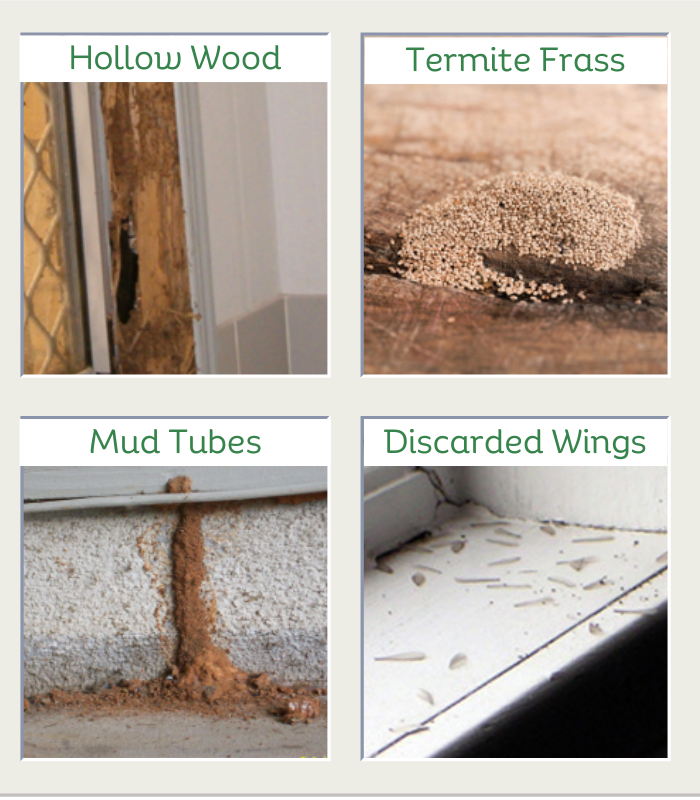
We inspect your entire structure: attic, crawlspace, garage, wood framing, windowsills, and exterior. We look for live activity, mud tubes, frass (termite droppings), and structural damage. You’ll get a clear report of what we find.
Step 2 — Treatment Plan
Based on the inspection, we recommend the most targeted treatment for your situation — liquid soil treatment, bait stations, localized drywood treatment, or a combination. No upselling. Just what’s needed.
Step 3 — Treatment
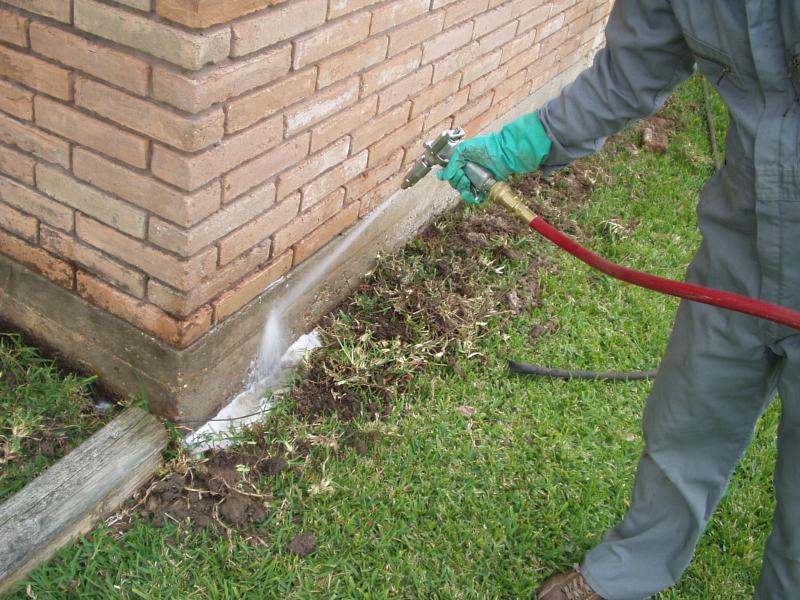
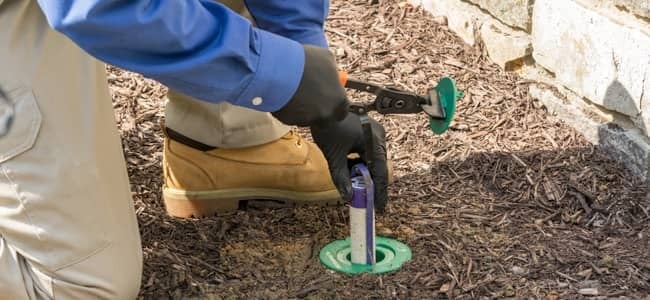
For subterranean termites we use Termidor® (fipronil) liquid barrier or Sentricon® bait stations — both industry-leading solutions. For drywood termites, we use localized injection or foam treatment targeting active galleries.
Step 4 — Monitoring & Follow-Up
Termite control isn’t one-and-done. We schedule follow-up visits to verify elimination, check bait stations, and make sure no new activity has started. You’ll always know where things stand.
Liquid Treatment vs. Bait Stations
Both methods are effective. The right choice depends on your infestation level, home type, and long-term goals.
Liquid Barrier (Termidor®)
Applied around the foundation perimeter, creating an undetectable chemical barrier. Termites pass through it, carry it back to the colony, and eliminate it from the inside out. Fast-acting and long-lasting.
Bait Stations (Sentricon®)
Stations are installed around the perimeter and monitored regularly. Termites find the bait, share it with the colony, and the colony dies. Minimal disruption, no chemicals in the soil, environmentally preferred.
Localized Drywood Treatment
For drywood termites in specific areas — attic beams, window frames, furniture — we drill and inject foam or liquid directly into active galleries. Targeted and effective without treating the whole structure.
Warning Signs You Have Termites
Termites are secretive — by the time you see obvious damage, they’ve usually been active for months. Watch for these early indicators.
- Mud tubes on exterior walls, foundation, or in the garage
- Small piles of frass (tiny wood-colored pellets) near baseboards or windowsills
- Swarmer termites (winged) near windows or lights, especially after rain
- Discarded wings left behind by swarmers
- Wood that sounds hollow when tapped
- Blistering or bubbling paint that resembles water damage
- Tight-fitting doors or windows that weren’t an issue before
- Sagging floors or ceilings in severe cases
Termite Questions, Answered
Termite Control Near You
We serve homeowners and businesses across South Florida. Click your city for local information.
Ready to Protect Your Home?
Termite damage is almost never covered by homeowner’s insurance. A free inspection today could save you thousands. We’ll tell you exactly what we find — no pressure, no guesswork.