Wildlife Exclusion & Removal
Raccoons, opossums, iguanas, and squirrels are a fact of life in South Florida — but they don’t belong in your attic, crawlspace, or walls. EntoLogic removes wildlife humanely and seals the entry points so they can’t return.
Wildlife Species Common to South Florida Properties
South Florida’s subtropical environment supports a wide range of wildlife — several of which regularly invade homes, attics, and commercial properties.
Raccoons
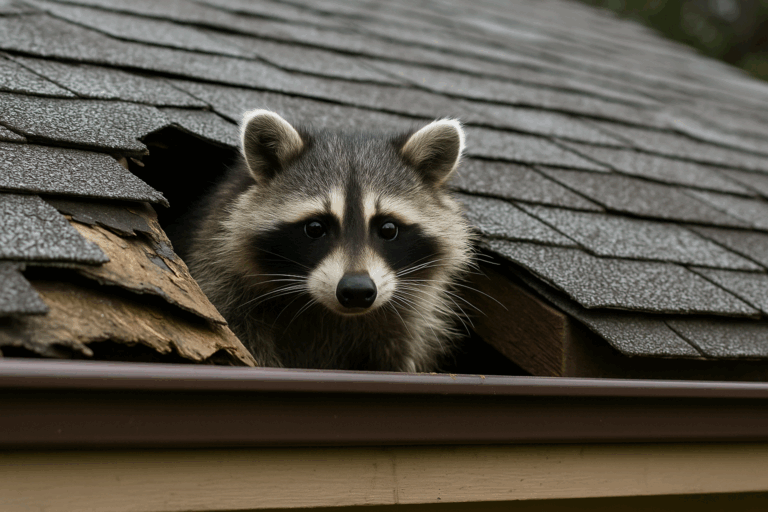
One of the most destructive attic invaders. Raccoons tear through soffits and roof vents to establish dens, damage insulation, and leave large amounts of waste. Females with young are especially persistent. Removal requires trapping and full exclusion of entry points.
Opossums
Florida’s only native marsupial. Opossums den under decks, in crawlspaces, and occasionally in attics. While generally non-aggressive, they carry fleas and can damage insulation. Humane trapping and exclusion resolves most opossum issues quickly.
Iguanas
An invasive species now widespread across South Florida. Iguanas damage landscaping, burrow under pool decks and foundations, leave droppings on patios and pool areas, and can cause structural instability. Population management and exclusion reduce property damage significantly.
Squirrels
Squirrels enter attics through small gaps in rooflines and fascia boards. Once inside they chew wiring — a leading cause of attic fires — and nest in insulation. Unlike rats, squirrels are diurnal so you’ll often hear them during the day. Exclusion after trapping is essential.
Birds
Pigeons, starlings, and woodpeckers commonly roost on or in commercial and residential structures. Bird droppings are corrosive, create slip hazards, and carry disease. We install physical deterrents and exclusion devices to remove roosting access without harming protected species.
Snakes
Most Florida snakes are harmless and beneficial — but finding one in your home or yard understandably causes concern. We safely identify and remove snakes from structures and provide exclusion recommendations to reduce future encounters near the home.
Our Wildlife Exclusion Process
Removing the animal is only half the job. Without sealing the entry points, the same or a new animal will be back within days.
Step 1 — Inspection
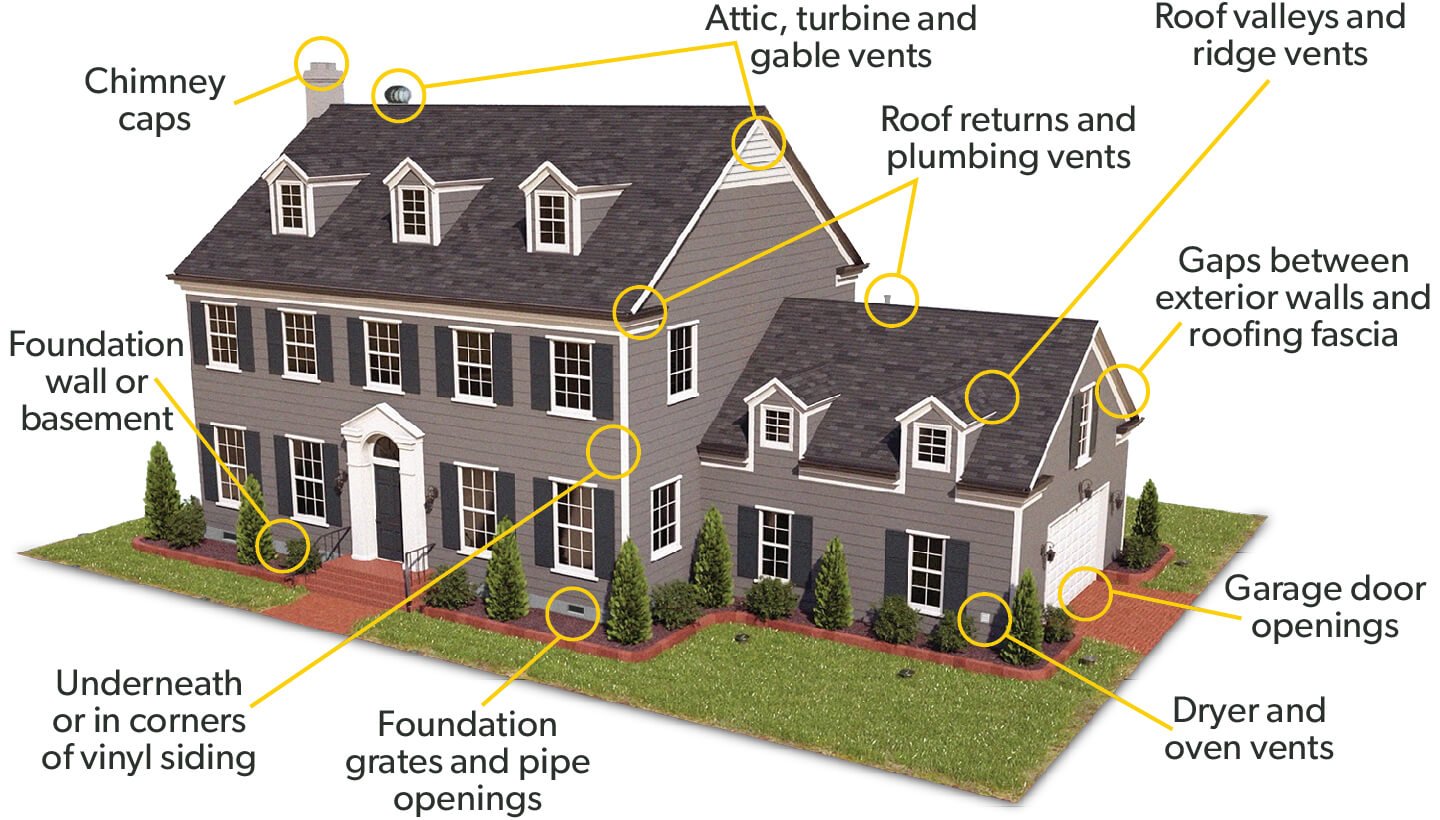
We inspect your roofline, soffits, fascia, foundation, and any other potential entry points. We identify the species involved, assess the extent of damage, locate active entry points, and check for young animals that require special handling.
Step 2 — Humane Removal
We use species-appropriate live traps or one-way exclusion devices that allow animals to leave but not re-enter. All removal is conducted in compliance with Florida Fish and Wildlife regulations. Young animals are handled appropriately and never separated from mothers unnecessarily.
Step 3 — Entry Point Sealing
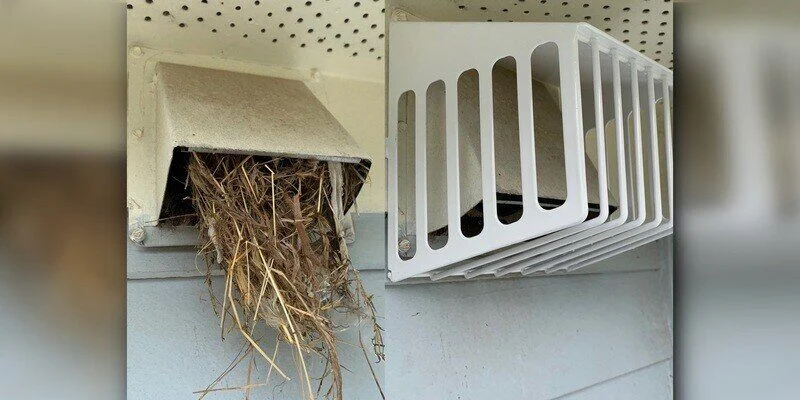
Once the animal is removed, we seal all confirmed and potential entry points using appropriate materials — hardware cloth, metal flashing, foam, or caulk. This is the step that prevents the next animal from moving in and most companies skip it.
Step 4 — Damage Assessment
We document any insulation damage, wiring issues, structural compromise, or contamination from animal waste. For significant attic damage we can coordinate with remediation partners and provide documentation for insurance claims if applicable.
Signs Wildlife Has Entered Your Home
Wildlife in the attic or walls is often heard before it’s seen. These are the most common indicators of an active intrusion.
- Loud thumping, scratching, or rolling sounds in the attic — especially at dusk or dawn
- Chittering, crying, or vocalizations from the ceiling or walls
- Visible damage to soffits, roof vents, fascia boards, or screens
- Strong ammonia or musky odor coming from the attic or crawlspace
- Droppings larger than rodent droppings in or around the attic
- Insulation disturbed or pulled down from the attic hatch
- Raccoon or opossum sightings on the roof at night
- Iguana burrows appearing under pool decks, driveways, or seawalls
Wildlife Exclusion — Questions Answered
Wildlife Exclusion Near You
We serve homeowners and businesses across South Florida. Click your city for local information.
Something Living in Your Attic?
Wildlife damage compounds fast — and the longer an animal is in your attic the more it costs to remediate. A free inspection tells you exactly what’s up there, how they got in, and what it’ll take to get them out for good.