
How Can Rodent Control Help Prevent Secondary Pest Infestations?
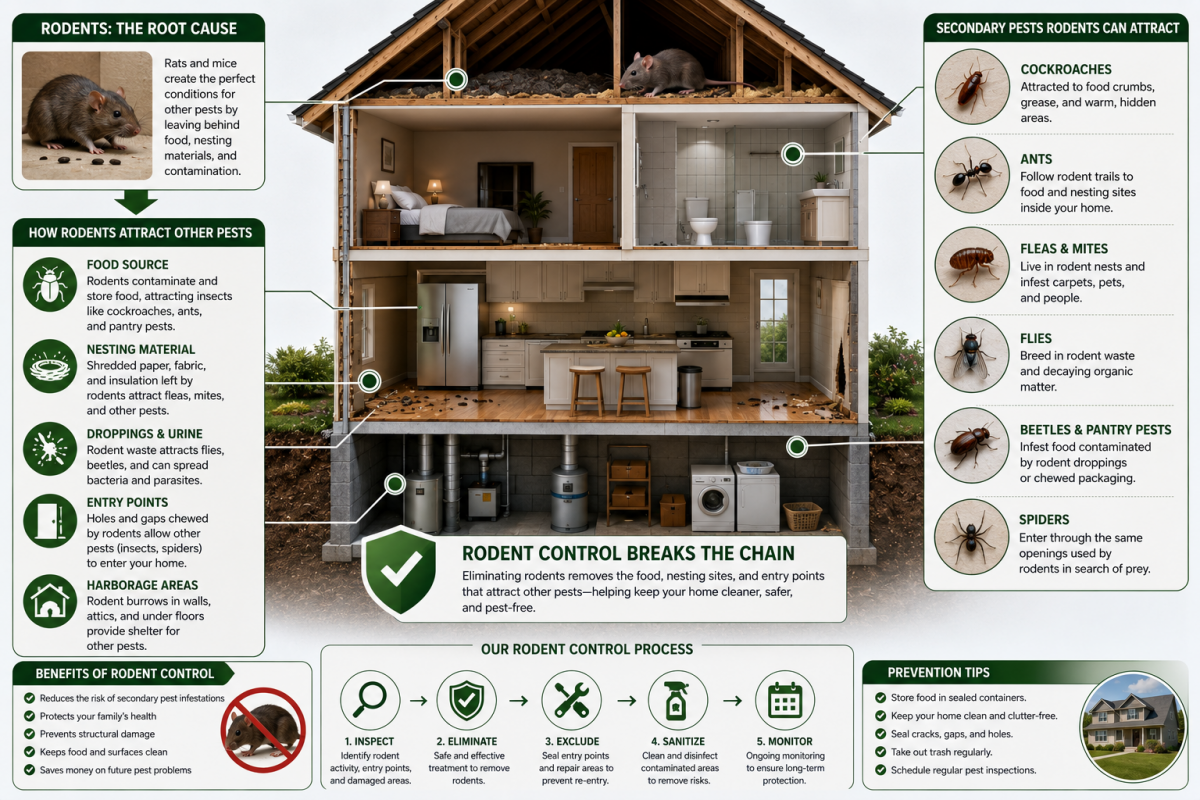
Many people think rodents are the only problem when mice or rats enter a property. In reality, they often bring a much larger issue with them. Rodents create conditions that attract insects, parasites, and other unwanted pests, leading to what experts call secondary pest infestations. Understanding this connection can help homeowners take preventive steps before a minor problem grows into a widespread infestation.
Whether you’re learning about rodent control pembroke pines or simply researching rodent prevention, knowing how rodents influence other pest populations is essential. Companies like EntoLogic Pest Solutions often educate property owners about these relationships because preventing one pest frequently helps prevent several others.
The Connection Between Rodents and Other Pests
Rodents rarely exist alone. As they search for food, water, and shelter, they leave behind materials that attract insects and microorganisms. Their droppings, urine, nesting materials, and food scraps create an environment where secondary pests can thrive.
Why Rodents Create Favorable Conditions for Pests
Rodents constantly chew, gather nesting materials, and contaminate stored food. These activities increase moisture, create hidden shelters, and provide organic material that many insects depend on for survival.
What Are Secondary Pest Infestations?
A secondary pest infestation occurs when one pest problem creates ideal conditions for another pest species to establish itself. Instead of dealing with a single infestation, property owners may face multiple pest populations at the same time.
Common Examples of Secondary Pests
Some pests frequently associated with rodent activity include:
- Fleas
- Mites
- Ticks
- Cockroaches
- Ants
- Carpet beetles
- Flies
These pests often benefit from the shelter, food, and waste rodents leave behind.
How Rodents Attract Insects and Other Unwanted Visitors
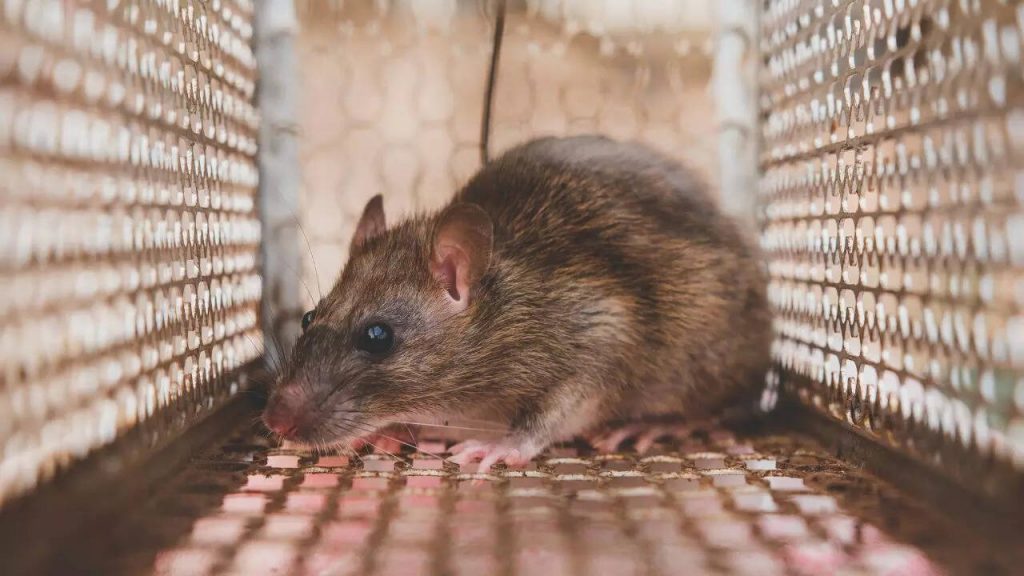
Rodents unknowingly invite many insects into homes and buildings.
Food Sources Left Behind by Rodents
Rodents scatter food while eating. Small crumbs hidden behind appliances or inside wall voids become reliable food sources for insects like ants and cockroaches.
Even stored pet food can become contaminated, encouraging additional pest activity.
Nesting Materials That Encourage Pest Activity
Rodent nests contain shredded paper, insulation, fabric, leaves, and other materials. Over time, these nests become warm, protected environments where insects can reproduce safely.
Once rodents abandon a nest, insects often remain.
Health Risks Associated with Multiple Pest Infestations
Having several pest species indoors increases potential health concerns.
Disease Transmission
Rodents may carry bacteria and viruses, while fleas, ticks, and flies can spread additional pathogens. Although each pest presents different risks, multiple infestations increase overall exposure.
Proper sanitation and early intervention help reduce these risks.
Indoor Air Quality Concerns
Rodent droppings, nesting debris, insect waste, and shed skins can become airborne as dust. Poor indoor air quality may trigger allergies or respiratory irritation, particularly in sensitive individuals.
Why Early Rodent Control Matters
Addressing rodents early prevents both direct damage and future pest problems.
Preventing Population Growth
Rodents reproduce quickly. A small infestation may become much larger within a short period if favorable conditions remain.
Early management reduces the likelihood of attracting insects that depend on rodent activity.
Protecting Structural Integrity
Rodents chew wood, drywall, insulation, wiring, and stored belongings. Damaged structures may also provide new entry points for insects seeking shelter.
Maintaining the building’s condition limits opportunities for multiple pest species.
The Importance of Proper Sanitation
Rodent management works best when combined with good housekeeping practices.
Eliminating Food and Water Sources
Simple preventive habits include:
- Store food in sealed containers.
- Clean spills promptly.
- Empty trash regularly.
- Remove standing water.
- Keep pet food stored properly.
- Reduce clutter around storage areas.
These practices discourage both rodents and secondary pests.
Sealing Entry Points to Reduce Future Infestations
Preventing access is one of the most effective long-term strategies.
Areas That Need Regular Inspection
Pay attention to:
- Utility pipe openings
- Garage doors
- Roof vents
- Crawl spaces
- Foundation cracks
- Window gaps
- Door thresholds
Small openings are often large enough for rodents to enter, making routine inspections worthwhile.
Seasonal Factors That Influence Rodent Activity
Rodent behavior changes throughout the year. Cooler temperatures often drive rodents indoors in search of warmth and food, while warmer seasons may increase insect populations that take advantage of rodent activity.
Regular inspections during seasonal transitions help identify problems before they expand.
Monitoring for Long-Term Pest Prevention
Rodent prevention is not a one-time task. Ongoing monitoring helps identify early warning signs such as droppings, gnaw marks, unusual odors, or scratching sounds inside walls.
Learning about rodent control in pembroke pines also highlights the importance of combining exclusion, sanitation, monitoring, and maintenance into a complete prevention strategy. Educational resources shared by professionals like EntoLogic Pest Solutions often emphasize that successful pest management focuses on reducing the conditions pests need to survive rather than reacting only after infestations become severe.
EntoLogic Pest Solutions Serving the SilverLakes Community and Beyond in Pembroke Pines
EntoLogic Pest Solutions is dedicated to serving the diverse needs of the local community of Pembroke Pines, including individuals residing in neighbourhoods like SilverLakes. With its convenient location near landmarks such as the godios and major intersections like SW 168th Terrace and SW 1st Pl (coordinates: 26.0057129, -80.3726066), we offer rodent control services.
Get rodent control services at SilverLakes Now
Call Us or Contact Us: +1 469-425-8406
Navigate from SilverLakes to EntoLogic Pest Solutions Now
<iframe src=”https://www.google.com/maps/embed?pb=!1m18!1m12!1m3!1d3668654.520139113!2d-84.12392658435402!3d26.109674864314222!2m3!1f0!2f0!3f0!3m2!1i1024!2i768!4f13.1!3m3!1m2!1s0x87c96e52feffc22d%3A0xe87b7b7de372420f!2sEntoLogic%20Pest%20Solutions!5e0!3m2!1sen!2sus!4v1784107136935!5m2!1sen!2sus” width=”600″ height=”450″ style=”border:0;” allowfullscreen=”” loading=”lazy” referrerpolicy=”strict-origin-when-cross-origin”></iframe>
Rodents are more than a nuisance; they often create the perfect environment for other pests to flourish. Their nests, waste, food contamination, and structural damage provide insects and parasites with everything they need to survive. By understanding the relationship between rodents and secondary pest infestations, property owners can take preventive measures that reduce the likelihood of multiple pest problems. Consistent sanitation, sealing entry points, regular inspections, and informed rodent management all contribute to a healthier indoor environment.
FAQs
1. What are secondary pest infestations?
Secondary pest infestations occur when one pest, such as rodents, creates conditions that attract other pests like fleas, cockroaches, ants, or flies.
2. Why do rodents attract insects?
Rodents leave behind food scraps, droppings, urine, and nesting materials that provide food and shelter for many insect species.
3. Can rodent nests continue attracting pests after rodents leave?
Yes. Abandoned nests may still contain organic material that supports insects and other pests long after rodents are gone.
4. Does sanitation help reduce both rodents and insects?
Absolutely. Removing food, water, and clutter limits the resources that both rodents and secondary pests depend on.
5. Why is early rodent prevention important?
Early prevention reduces property damage, limits rodent population growth, and decreases the chances of developing larger secondary pest infestations involving insects and parasites.