
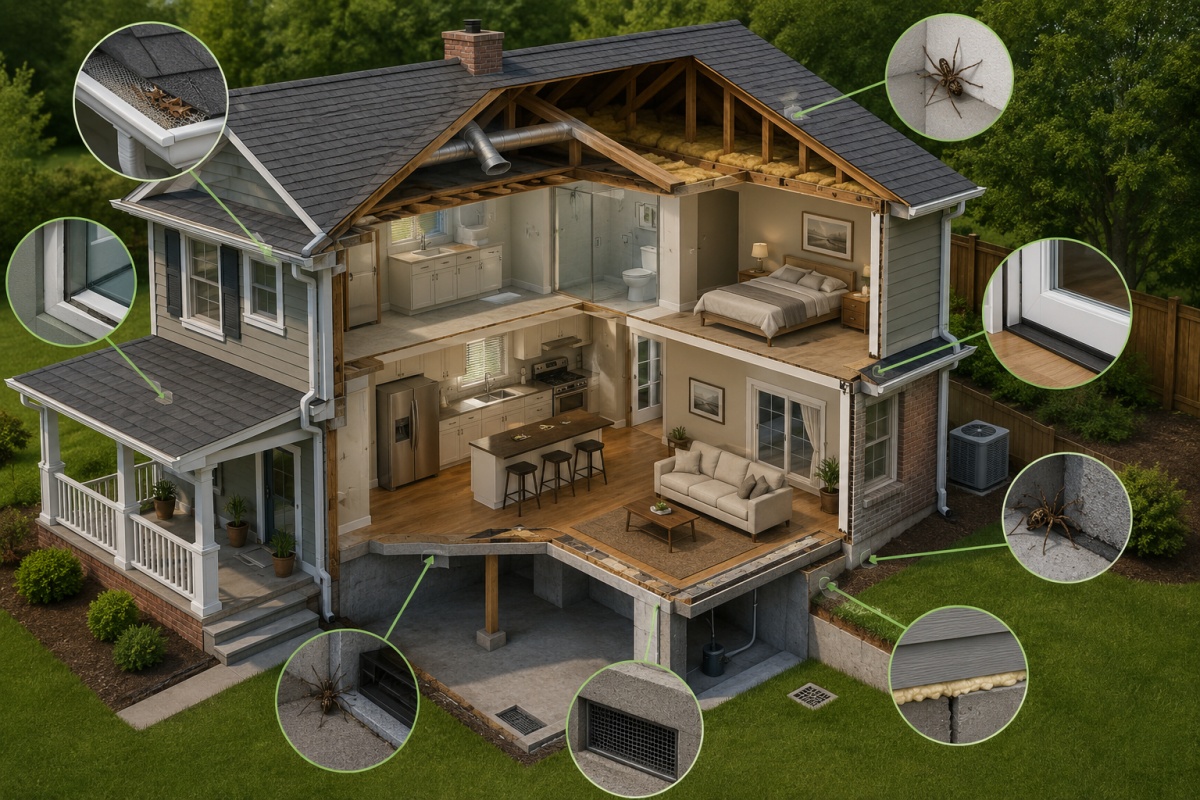
Which Home Maintenance Practices Help Support Long-Term Spider Pest Control?
Spiders are a natural part of the environment and play an important role in controlling insect populations. However, when they begin appearing inside living spaces, they often become an unwelcome sight. While occasional spiders are common, frequent sightings may indicate that your home provides the shelter, moisture, and food sources they need to thrive.
Long-term spider management depends less on reacting to individual spiders and more on maintaining an environment that discourages them from settling indoors. A combination of routine inspections, proper sanitation, structural maintenance, and moisture control can significantly reduce the conditions that attract spiders throughout the year.
For homeowners researching spider pest control pembroke pines, understanding preventive maintenance practices can help support a healthier and less inviting environment for spiders. Companies such as EntoLogic Pest Solutions often emphasize that prevention begins with consistent home care rather than relying on a single treatment.
Why Spiders Enter Homes
Spiders rarely enter homes because they prefer living indoors. Instead, they usually move inside while searching for food, shelter, or protection from changing weather conditions.
Homes provide several attractive features:
- Stable temperatures
- Dark hiding places
- Moist environments
- Plenty of insects to feed on
- Limited predators
Once these conditions exist, spiders often remain as long as food sources continue to be available.
The Connection Between Home Maintenance and Spider Activity
Many homeowners focus only on removing spiders after seeing them. However, maintaining the home itself often has a much greater impact on reducing future activity.
Small maintenance issues can gradually create ideal spider habitats without homeowners noticing.
Shelter Opportunities Inside the Home
Spiders prefer areas that experience very little disturbance, including:
- Basements
- Garages
- Storage rooms
- Attics
- Closets
- Crawl spaces
Boxes, unused furniture, seasonal decorations, and stacked storage provide excellent hiding locations.
Food Sources That Attract Spiders
Spiders primarily eat insects.
If flies, ants, mosquitoes, moths, beetles, or other insects regularly enter the home, spiders naturally follow because their food supply increases.
Reducing insect activity often reduces spider activity as well.
How Exterior Maintenance Reduces Spider Habitats
Outdoor maintenance is often overlooked, yet it greatly influences indoor spider populations.
Spiders commonly build webs around outdoor structures before eventually moving inside through small openings.
Managing Landscaping Around the Home
Trees, shrubs, and bushes should remain trimmed away from exterior walls.
Vegetation touching siding or windows creates natural bridges that spiders can use to enter the home.
Maintaining open space around the structure also allows sunlight and airflow to reduce damp conditions that many insects prefer.
Keeping Firewood and Outdoor Storage Organized
Firewood piles, cardboard boxes, gardening supplies, and unused outdoor equipment create sheltered environments for spiders.
Whenever possible:
- Store firewood off the ground.
- Keep storage organized.
- Avoid stacking materials directly against exterior walls.
- Remove unnecessary debris from the yard.
Why Sealing Entry Points Matters
Even very small openings provide opportunities for spiders to enter.
Routine inspections can identify areas requiring simple repairs before they become larger problems.
Inspecting Doors and Windows
Check for:
- Worn weather stripping
- Torn screens
- Loose door sweeps
- Damaged window seals
Replacing damaged materials reduces gaps where spiders and insects can enter.
Repairing Cracks and Utility Openings
Inspect foundations, siding, rooflines, vents, and utility penetrations.
Seal:
- Small cracks
- Pipe openings
- Cable entry points
- Gaps around utility lines
Keeping these openings closed limits access to indoor spaces.
The Importance of Moisture Control
Moisture influences both spiders and the insects they feed upon.
Damp environments support higher insect populations, indirectly attracting spiders.
Fixing Plumbing Leaks
Regularly inspect:
- Kitchen plumbing
- Bathroom fixtures
- Laundry connections
- Outdoor faucets
Even slow leaks can increase humidity levels inside cabinets and crawl spaces.
Improving Ventilation in Damp Areas
Bathrooms, basements, and laundry rooms benefit from proper ventilation.
Using exhaust fans, maintaining air circulation, and reducing excess humidity helps create less favorable conditions for insects and spiders.
Indoor Cleaning Habits That Discourage Spiders
Regular cleaning removes both webs and potential hiding places.
Consistent housekeeping also makes it easier to detect new spider activity early.
Reducing Clutter
Excess clutter creates protected spaces where spiders can remain undisturbed.
Consider organizing:
- Storage shelves
- Closets
- Garage areas
- Basement storage
- Attic spaces
Plastic storage containers often provide better protection than cardboard boxes, which can harbor insects and absorb moisture.
Removing Cobwebs Consistently
Cobweb removal serves two purposes:
- It eliminates existing spider webs.
- It discourages spiders from repeatedly returning to the same location.
Pay close attention to:
- Ceiling corners
- Window frames
- Light fixtures
- Garage ceilings
- Porch ceilings
Managing Outdoor Lighting to Reduce Insects
Bright outdoor lighting attracts many flying insects during the evening.
Since insects attract spiders, lighting indirectly influences spider activity.
Some homeowners reduce insect attraction by:
- Turning off unnecessary outdoor lights.
- Using motion-activated lighting.
- Positioning lights away from entry doors when practical.
- Selecting bulbs that attract fewer insects.
Although lighting alone will not eliminate spiders, it can reduce available food sources.
Proper Waste and Storage Practices
Garbage, recycling, and storage conditions also influence insect populations.
Helpful practices include:
- Keeping garbage containers tightly sealed.
- Cleaning recycling bins regularly.
- Removing yard waste promptly.
- Avoiding long-term cardboard storage.
- Keeping storage areas dry and organized.
Cleaner storage areas generally support fewer insects.
Seasonal Home Maintenance for Spider Prevention
Spider activity changes throughout the year.
Seasonal inspections help identify maintenance needs before they become larger concerns.
Spring tasks may include:
- Inspecting foundations
- Cleaning gutters
- Trimming vegetation
- Repairing damaged screens
Summer maintenance often focuses on controlling vegetation growth and moisture.
Fall preparations include sealing exterior gaps before cooler weather encourages spiders to move indoors.
Winter offers a good opportunity to inspect attics, garages, and storage areas that receive less attention.
Recognizing Early Warning Signs of Spider Activity
Detecting spider activity early allows homeowners to correct favorable conditions before populations increase.
Common indicators include:
- Frequent cobwebs
- Egg sacs
- Increased insect activity
- Spiders appearing in multiple rooms
- Webs around exterior lighting
Observing these signs consistently may indicate that environmental conditions continue supporting spider activity.
How Regular Inspections Support Long-Term Spider Pest Control
Routine inspections are one of the most effective preventive maintenance habits.
Checking both interior and exterior areas several times each year helps identify:
- Structural gaps
- Moisture problems
- Vegetation growth
- Insect activity
- Storage issues
Many maintenance concerns develop gradually. Addressing them early often prevents more significant pest issues later.
For homeowners interested in learning more about spider pest control in pembroke pines, understanding how maintenance affects pest behavior provides valuable long-term insight. Professionals, including those at EntoLogic Pest Solutions, generally recognize that successful spider management combines environmental improvements with ongoing monitoring rather than relying on a single solution.
EntoLogic Pest Solutions Serving the Town Gate Community and Beyond in Pembroke Pines
EntoLogic Pest Solutions is dedicated to serving the diverse needs of the local community of Pembroke Pines, including individuals residing in neighbourhoods like Town Gate. With its convenient location near landmarks such as the Panther Run Elementary School and major intersections like NW 9th St and NW 172nd Ave (coordinates: 26.0124629, -80.3776137), we offer spider pest control services.
Get spider pest control services at Town Gate Now
Call Us or Contact Us: +1 469-425-8406
Navigate from Town Gate to EntoLogic Pest Solutions Now
Long-term spider management begins with maintaining a home that offers fewer hiding places, less moisture, and limited food sources. Rather than focusing solely on removing visible spiders, homeowners benefit from addressing the environmental conditions that support their presence.
Simple habits such as sealing entry points, reducing clutter, maintaining landscaping, controlling indoor humidity, removing cobwebs, and inspecting the home throughout the year work together to create an environment that is less attractive to spiders. These preventive practices not only help reduce spider activity but also contribute to better overall home maintenance and fewer pest-related concerns over time.
Frequently Asked Questions
1. Why do spiders continue appearing even after cleaning the house?
Cleaning removes visible spiders and webs, but if insects, moisture, or structural entry points remain, spiders may continue returning. Addressing these underlying conditions supports longer-term prevention.
2. Does reducing insects also reduce spider populations?
Yes. Since spiders feed primarily on insects, lowering insect activity inside and around the home often reduces the availability of food that encourages spiders to stay.
3. How often should a home be inspected for spider prevention?
A thorough inspection at least once every season helps identify cracks, moisture issues, vegetation growth, and other conditions that may support spider activity.
4. Are garages and attics common places for spiders?
Yes. Garages, attics, basements, and storage rooms usually experience less disturbance, making them attractive shelter locations for many spider species.
5. Can landscaping affect indoor spider activity?
Yes. Overgrown shrubs, tree branches touching the home, and outdoor debris create pathways and habitats that may increase the likelihood of spiders moving indoors.