Categories
Blog

How Does Commercial Rodent Control Find Rodent Entry Points in Buildings?

How Does Commercial Rodent Control Find Rodent Entry Points in Buildings?

Rodents rarely need a wide-open door to get inside a commercial building. A small gap around a pipe, an opening beneath a loading-door threshold, or a damaged vent can become an access route. Once inside, rodents may move through wall voids, ceilings, storage areas, kitchens, mechanical rooms, and other concealed spaces.

So, how does commercial rodent control actually figure out where rodents are getting in?

The answer usually involves more than simply looking for a visible hole. A thorough inspection combines structural observation, evidence of rodent activity, knowledge of building construction, and careful tracing of travel routes.

For businesses researching commercial rodent control Pembroke Pines, understanding this inspection process can make it easier to recognize why entry-point identification is such an important part of rodent management. Businesses such as EntoLogic Pest Solutions may use these principles when assessing commercial properties, but the underlying inspection methods apply broadly to warehouses, offices, restaurants, retail buildings, and other structures.

Why Rodent Entry Points Are Difficult to Detect

Rodent access points are often hidden in places people rarely inspect. Commercial buildings can have complicated layouts, multiple utility connections, suspended ceilings, exterior wall penetrations, roof equipment, and loading areas.

A building may appear completely sealed from the outside while still containing several pathways large enough for rodents.

Rodents Use Surprisingly Small Openings

Rodents are capable of squeezing through openings that may appear insignificant during a casual inspection. Their flexible bodies allow them to exploit gaps around pipes, conduits, doors, vents, and deteriorated building materials.

This is why inspectors do not simply look for large holes. A narrow crack can be more important than a large but inaccessible opening if it connects directly with an interior space.

Hidden Building Gaps Create Inspection Challenges

Commercial structures often contain spaces behind walls and above ceilings that are difficult to see. An opening may also be hidden by equipment, stored materials, insulation, vegetation, or architectural features.

Think of the building like a maze. Finding a rodent inside tells you where the animal ended up—not necessarily where it entered.

What Commercial Rodent Inspections Look For

A commercial inspection generally considers both the building and the evidence of rodent activity. The goal is to connect physical openings with signs that rodents are actually using particular areas.

Exterior Building Inspection

The exterior inspection typically starts close to ground level and moves upward.

Inspectors may examine foundation joints, wall penetrations, doors, windows, vents, rooflines, utility entrances, drainage areas, and other structural transitions.

Particular attention is often given to locations where different materials meet. These junctions can deteriorate over time and create gaps that were not present when the building was constructed.

Interior Inspection

Inside the building, inspectors look for signs that indicate where rodents are traveling or nesting.

Storage rooms, kitchens, food-handling areas, mechanical rooms, electrical spaces, ceiling voids, and wall cavities can all provide useful clues.

Utility Penetrations and Service Openings

Pipes, cables, conduits, ducts, and other utilities frequently pass through walls and floors. The openings surrounding these services may not always be completely sealed.

Even when the penetration is difficult to see, signs of rodent movement nearby can draw attention to it.

Doors, Windows, and Loading Areas

Commercial doors deserve particular attention because they are frequently opened and closed throughout the day.

Loading docks, warehouse doors, service entrances, and older door thresholds can develop gaps through normal wear. Damaged weather stripping or uneven surfaces can also leave openings near the floor.

How Rodent Signs Help Reveal Entry Points

Finding an opening is only part of the investigation. Inspectors also need to determine whether rodents are using it.

Droppings and Urine Trails

Droppings can indicate areas of rodent activity, although they do not necessarily identify the original entry point.

A concentration of droppings near a wall, piece of equipment, or concealed passage can help establish a travel route. Odor and staining may provide additional clues in areas where rodents have repeatedly moved.

Gnaw Marks and Structural Damage

Rodents constantly gnaw because their incisors continue growing throughout their lives.

Chewed packaging, wood, insulation, plastic, and other materials can therefore provide evidence of activity. Fresh-looking damage near a structural opening may be especially useful when determining how rodents are moving through a building.

Grease Marks and Rub Trails

Rodents often travel along walls and other protected edges. Repeated movement can leave dark, greasy marks where their bodies repeatedly contact surfaces.

These rub marks can help inspectors trace movement toward concealed gaps or potential entry points.

Common Rodent Entry Points in Commercial Buildings
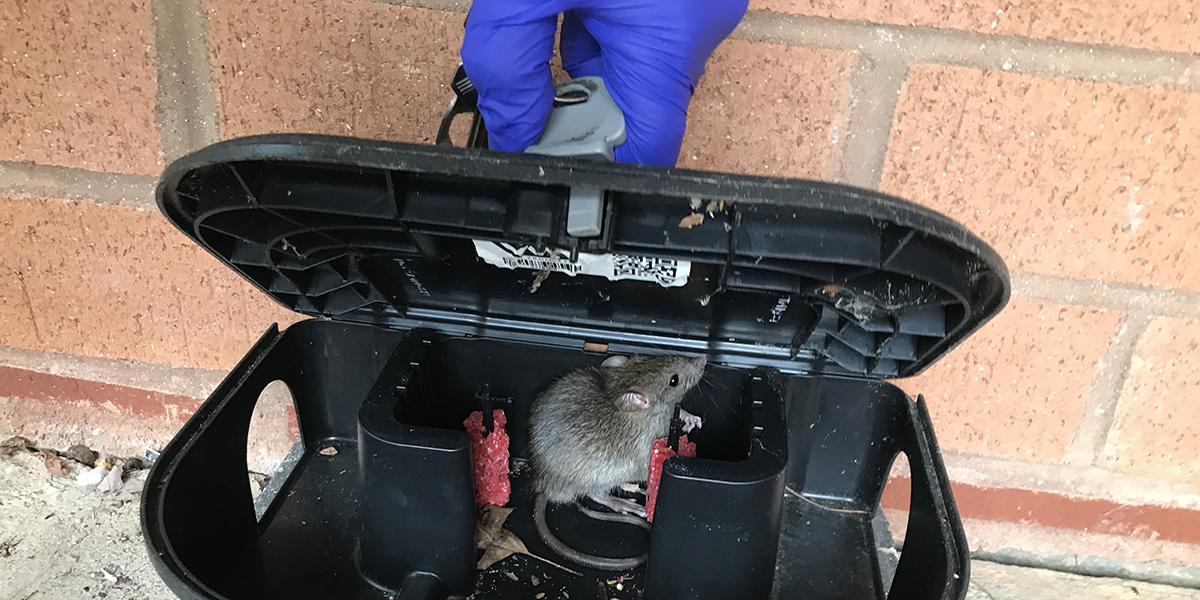
Commercial rodent control inspection tracing entry points for commercial rodent control

Although every building is different, certain locations repeatedly deserve attention during a rodent inspection.

Rooflines, Vents, and Wall Openings

Rodents are not limited to ground-level access.

Roof penetrations, ventilation openings, damaged flashing, gaps around rooftop equipment, and deteriorated exterior materials can create pathways into upper portions of a building.

Foundation Gaps and Ground-Level Openings

At ground level, inspectors may examine cracks, expansion joints, foundation transitions, damaged masonry, and gaps around exterior equipment.

Vegetation, debris, or stored materials can make these areas harder to inspect and may also conceal openings.

Plumbing, Electrical, and HVAC Openings

Commercial buildings require numerous utility connections. Every penetration through a wall, ceiling, or floor represents a location worth evaluating.

The issue is not necessarily the pipe, cable, or duct itself. The vulnerability may be the surrounding gap where that service passes through the structure.

Tools Used to Locate Rodent Entry Points

Professional inspections can involve relatively simple tools as well as specialized monitoring equipment.

Flashlights, Inspection Mirrors, and Cameras

A strong flashlight can reveal cracks and damage that are difficult to see under normal lighting.

Inspection mirrors can help examine tight spaces, while cameras may provide visibility inside concealed areas without immediately opening walls or other building components.

Tracking Materials and Monitoring Devices

When physical evidence is unclear, monitoring can help determine whether rodents are actively using a suspected route.

Tracking methods can reveal movement patterns and help distinguish an active pathway from an opening that simply happens to exist.

How Professionals Trace Rodent Movement

Finding the entry point often requires connecting several pieces of evidence rather than relying on one clue.

Following Travel Routes

Rodents frequently favor protected routes along walls, behind equipment, beneath shelving, and through concealed spaces.

If signs of activity form a consistent path, inspectors can work backward toward areas where that path may connect with the exterior.

Separating Entry Points From Interior Hiding Areas

A rodent may spend most of its time in one part of a building while entering somewhere completely different.

For example, a rodent could enter near a loading dock and eventually reach a food-storage area through a wall void. The place where the animal is discovered is therefore not automatically the place where it entered.

Why Multiple Entry Points Are Common

Commercial buildings can have dozens of potential access locations. Repairs, renovations, utility installations, weather damage, and normal deterioration can create new gaps over time.

That means discovering one opening does not necessarily prove it is the only route.

A comprehensive inspection considers the entire building envelope rather than stopping after finding the first obvious gap.

What Happens After Entry Points Are Found?

Once potential access points have been identified, they can be evaluated according to their location, condition, size, and relationship to observed rodent activity.

Prioritizing Structural Vulnerabilities

Not every gap presents the same level of concern. An opening directly connected to an interior wall cavity may require more attention than an isolated exterior defect with no practical pathway inside.

The surrounding conditions matter, too. Food sources, shelter, moisture, waste areas, and building traffic can influence how attractive a particular route may be to rodents.

Monitoring After Exclusion

Inspection does not necessarily end once a suspected opening has been addressed.

Monitoring can help determine whether rodent activity decreases and whether additional access points remain. If signs continue, the inspection process may need to expand to other parts of the structure.

How Commercial Rodent Control Pembroke Pines Applies These Methods

When researching commercial rodent control Pembroke Pines, it helps to understand that effective rodent inspection is fundamentally a building-detection process.

Local commercial properties can have different construction styles, maintenance histories, drainage conditions, utility layouts, and exterior environments. Rather than assuming every property has the same vulnerability, an inspection should examine the individual structure.

EntoLogic Pest Solutions is a business name that may appear in searches for commercial pest-related services in the area, but the principles behind identifying rodent entry points are broader than any individual company. The important concepts are systematic inspection, evidence-based tracing, identification of structural vulnerabilities, and continued monitoring.

EntoLogic Pest Solutions Serving the SilverLakes Community and Beyond in Pembroke Pines

EntoLogic Pest Solutions is dedicated to serving the diverse needs of the local community of Pembroke Pines, including individuals residing in neighbourhoods like SilverLakes. With its convenient location near landmarks such as the Chevron and major intersections like NW 172nd Ave and Pines Blvd (coordinates: 26.008727, -80.3769956), we offer commercial rodent control services.

Get commercial rodent control services at SilverLakes Now

Call Us or Contact Us: +1 954-955-3031

Navigate from SilverLakes to EntoLogic Pest Solutions Now

Commercial Rodent Risk in Numbers: What the Data Shows

The statistics behind rodent enforcement explain why entry-point control matters so much in commercial buildings:

  • Entry size: A mouse can pass through an opening of about 6 millimeters — roughly the width of a pencil — so a building that looks sealed may not be sealed at all.
  • Daily evidence: A single mouse can leave 50 to 75 droppings in one day, and every dropping found during an inspection is recorded as evidence of active rodent presence.
  • Disease risk: According to the Centers for Disease Control and Prevention (CDC), rodents can spread more than 35 diseases to people, including salmonellosis and leptospirosis, both linked to contaminated food, water, and surfaces.
  • Food losses: Widely cited global estimates attribute the contamination or destruction of around 20 percent of the world’s food supply every year to rodents, through feeding, urine and droppings, and spoilage of stored goods.
  • Regulatory standard: The FDA Food Code treats pest control as a standing requirement — food establishments must keep their premises free of insects, rodents, and other pests, and maintain the building so pests cannot enter in the first place.
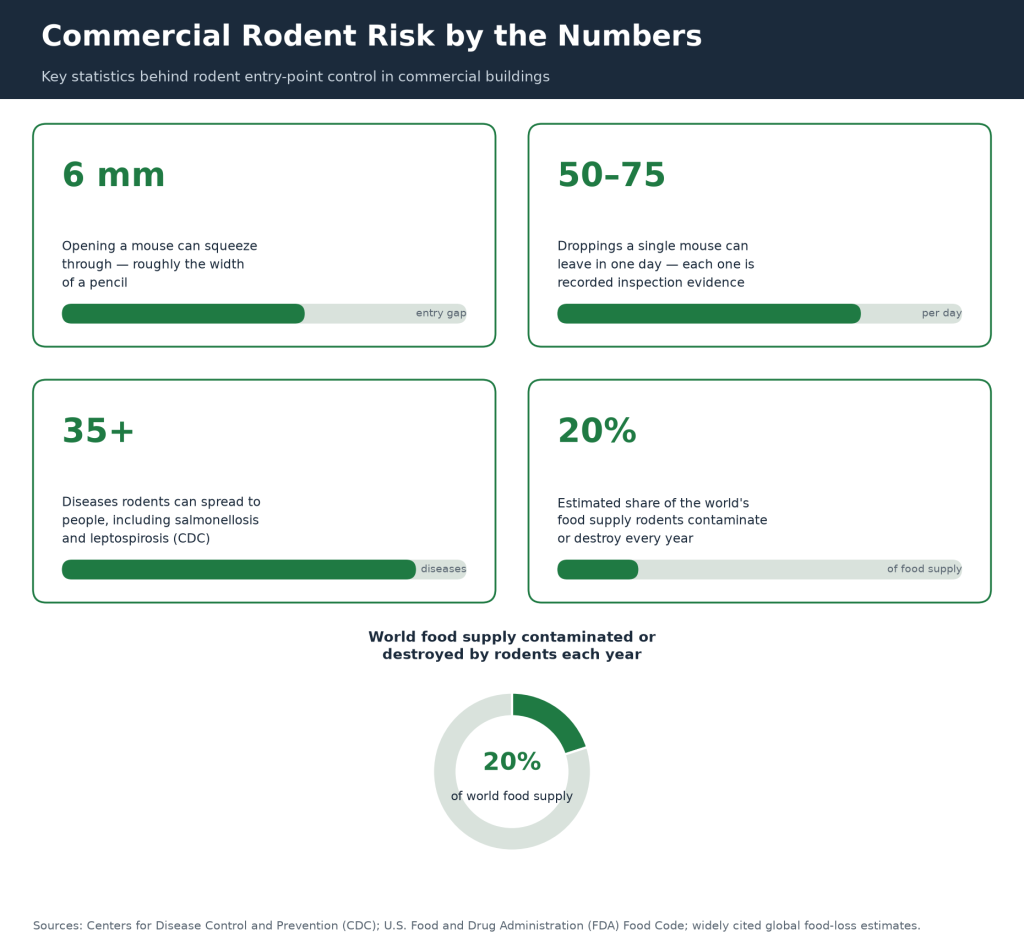
Commercial Rodent Risk by the Numbers: chart of rodent entry gap size, droppings per day, diseases rodents spread, and the share of the world food supply rodents destroy

Measured against these numbers, finding and sealing entry points is not a finishing touch. It is the control measure every other step depends on.

Sources: Centers for Disease Control and Prevention (CDC), “Diseases from Rodents” and rodent control guidance; U.S. Food and Drug Administration (FDA), Food Code, provisions on controlling pests in food establishments; widely cited global estimates of rodent-related food supply losses.

Finding where rodents enter a commercial building is more like solving a puzzle than simply searching for a hole. Inspectors look at the structure from the outside and inside, study droppings and damage, trace travel patterns, examine utility penetrations, and consider concealed pathways. Because rodents can exploit surprisingly small openings, even minor structural gaps deserve attention when they connect to interior spaces.

Understanding this process also explains why finding a rodent does not automatically reveal how it entered. The visible animal is only one piece of the puzzle; the building itself often provides the rest of the clues.

FAQs About Finding Rodent Entry Points

How small can a rodent entry point be?

Rodents can use surprisingly small openings, particularly where flexible building materials or poorly sealed penetrations create narrow gaps. The exact opening size depends on the rodent species and the shape and flexibility of the gap.

Where do rodents usually enter commercial buildings?

Common locations include gaps beneath doors, loading dock areas, foundation openings, damaged vents, roof penetrations, utility penetrations, and deteriorated sections of exterior walls.

Can rodents enter through plumbing openings?

Yes. The pipe itself generally is not the access route. Instead, rodents may use an unsealed gap surrounding a pipe where it passes through a wall, floor, or other structural surface.

How do inspectors know which opening rodents are using?

They compare physical openings with evidence such as droppings, rub marks, gnawing, nesting material, odors, and observed travel patterns. Monitoring can provide additional information when the active route is uncertain.

Does finding one entry point mean there are no others?

No. Commercial buildings may have several independent vulnerabilities. Finding one active entry point is useful, but a broader inspection can help identify additional openings that could provide future access.
Categories
Blog

How Do Rodent Control Services Conduct a Comprehensive Attic Inspection?

How Do Rodent Control Services Conduct a Comprehensive Attic Inspection?

An attic can appear quiet while rodents move through it after dark. Rats and mice can hide beneath insulation, build nests in secluded spaces, and enter through small openings around the roof, vents, walls, and utility lines.

That is why a professional inspection involves much more than searching for a few droppings. A rodent control service Pembroke Pines can conduct a systematic attic inspection to identify signs of activity, nesting areas, travel routes, structural damage, and possible entry points.

Understanding this process can help homeowners recognize what a thorough rodent inspection should include and why each step matters.

Why Attic Inspections Matter for Rodent Control

Attics provide many of the conditions rodents look for. They are usually dark, sheltered, and relatively quiet, with limited human activity.

A comprehensive attic inspection helps determine whether rodents are currently using the space, where they may be nesting, how they are entering the property, and what evidence they have left behind.

For a rodent control service in Pembroke Pines, these findings provide important information before control measures are selected. Instead of relying on assumptions, the inspection connects visible evidence with possible sources of the problem.

What Makes Attics Attractive to Rodents?

Rodents naturally seek protected areas where they can rest, nest, and reproduce. An attic can provide shelter from weather and predators while also offering nesting materials.

Insulation can be used to create nests, while beams, wall edges, roof structures, and stored materials can provide protected travel routes.

Food does not necessarily need to be located in the attic. Rodents may enter through one part of a property and travel through wall cavities or structural spaces before reaching the attic.

This is one reason a rodent control service Pembroke Pines may inspect both the attic and exterior portions of a property rather than focusing only on where homeowners first noticed activity.

How Hidden Rodent Activity Can Go Undetected

Rodents can remain hidden for extended periods. Scratching sounds may be heard at night, while droppings or nesting materials can remain underneath insulation or behind structural components.

Some evidence is also easy to miss during a quick inspection. Small gnaw marks, disturbed insulation, faint odors, and narrow travel paths may not be obvious unless the area is examined carefully.

A comprehensive inspection looks at these smaller clues and considers how they relate to one another.

How a Comprehensive Attic Inspection Begins

A detailed inspection generally begins with an overall assessment of the property.

Before examining individual sections of the attic, a rodent control service Pembroke Pines may consider reported symptoms, previous rodent activity, property construction, and possible exterior access points.

This creates a starting point for a more systematic inspection.

Reviewing the Property and Rodent History

Information from the homeowner can provide useful clues.

An inspector may ask when scratching noises began, where sounds were heard, whether droppings have been noticed, and whether rodents were previously treated.

For example, repeated scratching above one room can help identify an area that deserves closer attention. However, the inspection should not stop there because rodents can move between different attic sections.

Previous repairs can also be relevant. If vents, roof edges, soffits, or utility openings were recently repaired, those areas may deserve additional examination.

Checking Exterior Entry Points

Finding how rodents entered the structure is a central part of a comprehensive inspection.

A rodent control service Pembroke Pines may examine the roofline, soffits, fascia, vents, exterior walls, utility penetrations, and other areas where openings can occur.

The objective is to identify conditions that could allow rodents to enter or move between the exterior and attic.

Roof, Eave, and Vent Inspection

Roof edges, eaves, soffits, and attic vents can create potential access points.

Inspectors may check roof-to-wall connections, damaged vent screens, loose materials, gaps around ventilation components, and other openings.

A large hole is not always necessary for rodent entry. Small gaps can become important when they connect directly to sheltered interior areas.

Wall and Utility Penetrations

Pipes, electrical cables, ducts, and other utilities often pass through walls or structural surfaces.

The areas surrounding these penetrations can develop gaps or deteriorated seals. Inspectors examine them for openings and other conditions that could provide access.

These locations can be overlooked because they may sit behind equipment or in areas that are difficult to see from ground level.

What Inspectors Look for Inside the Attic

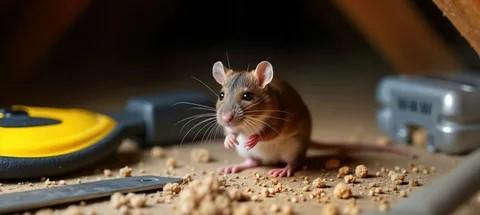
Rodent control service attic inspection evidence checked by rodent control service

After checking potential exterior entry points, the inspection moves into the attic itself.

A professional rodent control service Pembroke Pines looks for several categories of evidence instead of relying on one sign. The location, condition, and pattern of these signs can help explain how rodents are using the space.

Identifying Droppings and Urine Evidence

Rodent droppings are among the most recognizable indicators of activity.

Inspectors may find them near walls, beams, insulation edges, nesting areas, or protected travel routes. Their distribution can provide clues about where rodents frequently move.

Urine staining and odors may offer additional evidence, particularly in enclosed or poorly ventilated areas.

However, droppings do not automatically prove that rodents are currently present. Their condition and relationship to other evidence should also be considered.

Finding Nests and Nesting Materials

Rodents often collect soft or shredded materials to build nests.

In an attic, these materials may include insulation, paper, cardboard, fabric, or other materials available around the property.

Nests may be located in corners, underneath insulation, near structural components, or in areas that provide protection from household activity.

The condition of nesting materials can help inspectors understand whether an area may have been used recently or whether the evidence could be older.

Inspecting Insulation for Damage

Insulation can conceal rodent activity and make it difficult to understand the full extent of a problem from a quick visual check.

Inspectors may look for compressed insulation, displaced material, tunnels, nesting areas, fecal contamination, and unusual disturbances.

Rodents may create narrow pathways through insulation as they move around the attic. These disturbed sections can sometimes connect otherwise separate signs of activity.

If contamination is present, the condition of the insulation may also become an important consideration when determining what should happen next.

Looking for Gnaw Marks and Structural Damage

Rodents regularly chew on accessible materials, making gnaw marks another useful inspection clue.

Inspectors may examine wood, plastic, stored materials, insulation components, and other surfaces for evidence of chewing.

Electrical wiring deserves particular attention. If rodents have damaged wiring insulation, the issue may involve more than pest activity and should be documented appropriately.

A rodent control service Pembroke Pines can use the location of gnaw marks along with other evidence to help identify areas that rodents may be using frequently.

How Inspectors Determine Whether Rodent Activity Is Active

An attic can contain evidence from an old infestation even when rodents are no longer present.

For this reason, professionals do not necessarily interpret every dropping, nest, or gnaw mark as proof of current activity.

Instead, they evaluate several signs together and consider their condition, location, and relationship to other evidence.

Fresh Signs vs. Older Signs

The condition of rodent evidence can provide clues about when it may have been produced.

Recently disturbed nesting material, fresh-looking droppings, new gnaw marks, and current odors may indicate more recent activity. Older evidence may appear dry, degraded, dusty, or partially covered.

These observations should be interpreted as part of the overall inspection rather than as an exact timeline.

Tracking Rodent Travel Routes

Rodents often favor protected routes along walls, beams, insulation edges, pipes, ducts, and other structural features.

An inspector may follow these areas to determine whether separate signs of activity are connected.

Think of it like following a trail. One clue may tell you very little, but several clues appearing along the same pathway can reveal how rodents may be moving through the attic.

What Happens After the Attic Inspection?

Once the inspection is complete, the findings can be organized into a clearer picture of the property.

The objective is not simply to confirm that rodents have been present. The inspection should help identify where activity is occurring, how rodents may be accessing the building, and what conditions may allow the problem to continue.

A rodent control service Pembroke Pines can use these findings to determine which areas require attention and what type of control approach may be appropriate.

Creating an Inspection-Based Control Plan

Inspection findings can help shape the next steps.

For example, evidence of active rodents may require measures aimed at the existing population. Identified entry points may require separate attention to reduce opportunities for additional rodents to enter.

The specific approach depends on the findings, property conditions, level of activity, and location of the problem.

This is why inspection should come before assumptions about what treatment a property needs.

Why Entry-Point Identification Matters

Addressing visible rodent activity does not necessarily explain how the animals entered the building.

If an accessible opening remains, rodents may have another opportunity to enter later. Identifying potential entry points therefore helps explain the larger problem.

It is similar to finding water beneath a leaking roof. Cleaning up the water addresses the immediate evidence, but identifying the opening explains how the water got inside.

How Professional Rodent Inspections Differ From a Basic Visual Check

A basic visual check might identify obvious droppings, a visible nest, or a damaged section of insulation.

A comprehensive inspection goes further by considering exterior access points, attic conditions, nesting areas, travel routes, droppings, odors, gnaw marks, insulation damage, and utility penetrations.

A rodent control service Pembroke Pines can use this broader approach to connect separate pieces of evidence rather than treating each sign as an isolated problem.

The value of a comprehensive inspection comes from the process itself. Each observation contributes to a larger understanding of how rodents may be using the structure.

What Homeowners Should Know Before an Attic Inspection

Homeowners can make an inspection more informative by sharing when they first noticed unusual noises, odors, droppings, or other signs.

It is useful to mention where scratching or movement has been heard and whether similar activity has occurred previously.

Homeowners should also mention previous rodent treatments or repairs involving the roof, vents, soffits, walls, or other potential access points.

Attics may contain electrical wiring, insulation, unstable surfaces, and restricted areas. Because of these hazards, homeowners should avoid entering difficult spaces simply to search for rodents themselves.

A professional rodent control service Pembroke Pines can evaluate the attic using a systematic process designed to identify both visible and less obvious evidence.

EntoLogic Pest Solutions Serving the Town Gate Community and Beyond in Pembroke Pines

EntoLogic Pest Solutions is dedicated to serving the diverse needs of the local community of Pembroke Pines, including individuals residing in neighbourhoods like Town Gate. With its convenient location near landmarks such as the Calidad Inspections and major intersections like NW 9th St and NW 170th Terrace (coordinates: 26.013227, -80.3744919), we offer rodent control service services.

Get rodent control service services at Town Gate Now

Call Us or Contact Us: +1 954-955-3031

Navigate from Town Gate to EntoLogic Pest Solutions Now

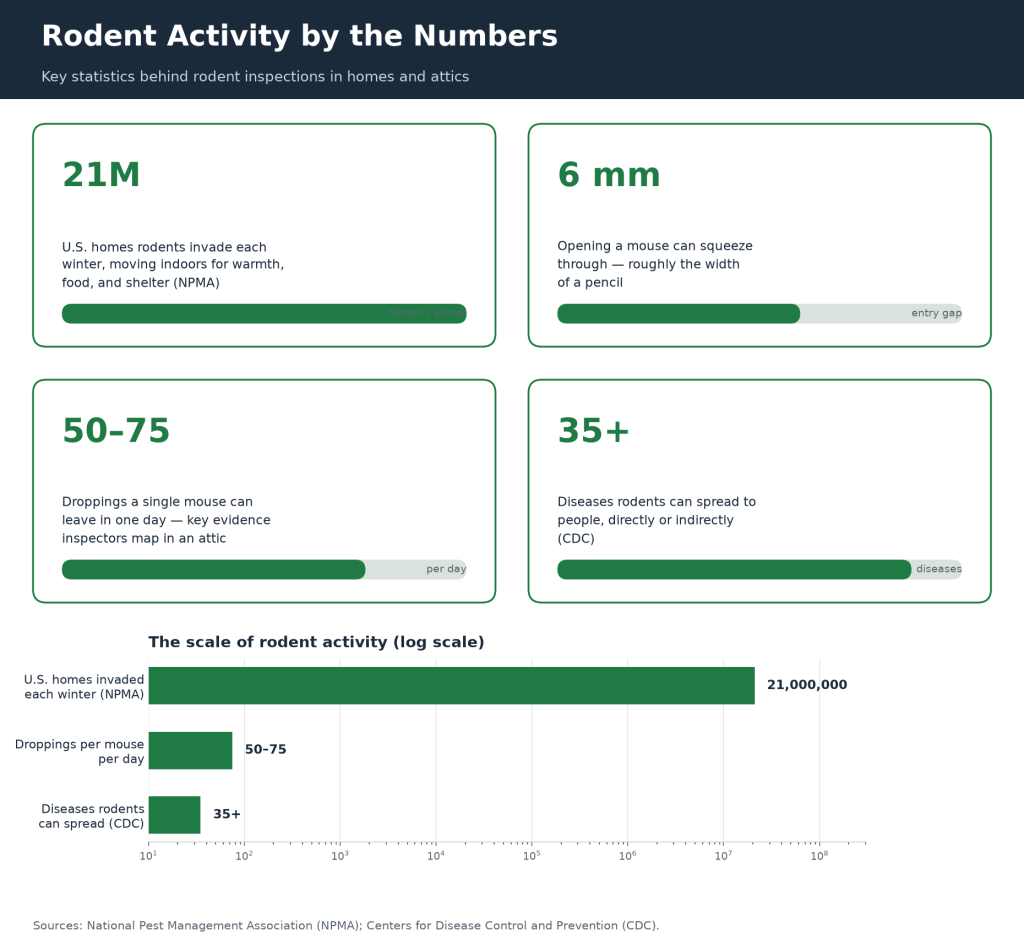
Rodent Activity in Numbers: What the Data Shows

The statistics behind rodent behaviour explain why a thorough attic inspection looks for small signs:

  • Winter invasions: Rodents invade an estimated 21 million U.S. homes each winter as they move indoors for warmth, food, and shelter (National Pest Management Association).
  • Entry size: A mouse can pass through an opening of about 6 millimeters — roughly the width of a pencil — so an attic that looks sealed may not be sealed at all.
  • Daily evidence: A single mouse can leave 50 to 75 droppings in one day, which is why droppings patterns are such reliable inspection evidence.
  • Disease risk: According to the Centers for Disease Control and Prevention (CDC), rodents can spread more than 35 diseases to people, directly through droppings, urine, saliva, and bites, or indirectly through ticks, mites, and fleas.
  • Breeding speed: A single pair of mice can produce dozens of offspring within a year, so a small, quiet attic problem can become a large one in a single season.
Rodent Activity by the Numbers: chart of U.S. homes invaded by rodents each winter, the 6 mm opening a mouse can squeeze through, droppings per mouse per day, and diseases rodents can spread

Measured against these numbers, an inspection that maps entry points, droppings, and travel routes is the difference between guessing where rodents are and knowing.

Sources: National Pest Management Association (NPMA), rodent invasion estimates; Centers for Disease Control and Prevention (CDC), “Diseases from Rodents” and rodent control guidance.

A comprehensive attic inspection is essentially an investigation into how rodents may be using a property. It looks beyond obvious droppings to identify nesting areas, travel routes, entry points, insulation damage, gnaw marks, and evidence that may indicate current activity.

The process also connects the attic with the exterior of the building. By examining both areas, a rodent control service Pembroke Pines can develop a more complete understanding of the conditions contributing to rodent activity.

For EntoLogic Pest Solutions, an inspection-based approach provides the information needed to understand the specific conditions of a property rather than treating every attic as if it has the same rodent problem.

Frequently Asked Questions

How long does a rodent attic inspection take?

The time can vary depending on the attic’s size, accessibility, construction, and amount of evidence present. A small, accessible attic may take less time to inspect than a larger space with restricted areas or extensive signs of activity.

What are the most common signs of rodents in an attic?

Common signs include droppings, nesting materials, scratching sounds, disturbed insulation, gnaw marks, unusual odors, urine staining, and visible travel paths.

Finding several signs together can provide more useful information than finding one isolated indicator.

Can rodents enter an attic without leaving obvious damage?

Yes. Rodents may use existing gaps and openings without causing obvious structural damage.

Potential access areas include vents, roof edges, soffits, utility penetrations, wall openings, and damaged exterior materials. This is why a detailed inspection examines both obvious and less noticeable access points.

Does attic insulation need to be replaced after rodent activity?

Not necessarily. The appropriate response depends on the type and extent of contamination and the condition of the insulation.

In some situations, only affected sections may require attention. More extensive contamination can require a broader assessment before deciding whether replacement is appropriate.

How often should an attic be inspected for rodent activity?

There is no single inspection schedule that applies to every property.

An inspection may be appropriate when homeowners notice recurring scratching, new droppings, unusual odors, damaged materials, or visible entry points. Properties with known access vulnerabilities may also require closer monitoring.

Categories
Blog

How Can Regular Home Maintenance Support Long-Term Termite Control and Prevention?

How Can Regular Home Maintenance Support Long-Term Termite Control and Prevention?

Termite prevention is not limited to treating an active infestation. What happens around a home every month can also affect how attractive that property is to termites. Moisture, damaged wood, poor drainage, cracks, and neglected exterior areas can create conditions that make termite activity harder to detect and manage.

Regular maintenance works much like closing small gaps in a boat before they become major leaks. A single maintenance issue may seem harmless, but several problems occurring together can create a much more favorable environment for termites.

For homeowners researching termite control Pembroke Pines, understanding this connection is especially useful. Routine maintenance can reduce conditions associated with termite activity while making potential warning signs easier to spot. Companies such as EntoLogic Pest Solutions can also use information from inspections to identify areas where maintenance and termite prevention overlap.

Why Home Maintenance Matters for Termite Prevention

A well-maintained home is easier to inspect, easier to monitor, and less likely to contain obvious conditions that can support termite activity.

Maintenance does not create an invisible shield around a property. Instead, it helps address factors such as excess moisture, deteriorating wood, blocked drainage, and inaccessible areas that may complicate termite detection.

How Termites Find Vulnerable Homes

Termites can take advantage of conditions that provide access to wood and suitable moisture. Depending on the species and situation, they may enter through soil near foundations, cracks, structural openings, or other concealed routes.

That means prevention involves more than simply looking for insects. The condition of the property matters, too.

Why Small Maintenance Problems Can Become Entry Points

A leaking pipe, damaged window frame, or clogged gutter may not seem related to termites. Over time, however, persistent moisture can contribute to wood deterioration and create conditions that deserve closer inspection.

The goal is to address these problems before they remain unnoticed for months.

1. Control Moisture Around the Home

Moisture management is one of the most practical parts of termite-conscious home maintenance. Water should not continually accumulate around structural wood or the foundation.

Fix Plumbing Leaks Promptly

Leaking pipes, faucets, air-conditioning components, and drains can introduce unwanted moisture into areas that are otherwise difficult to inspect.

Check under sinks, around bathrooms, near water heaters, and around HVAC equipment. Even a slow leak deserves attention if it continues long enough to keep nearby materials damp.

Check Hidden Moisture Sources

Some moisture problems are not immediately visible. Look for musty odors, staining, peeling finishes, swollen wood, or unexplained dampness.

These signs do not automatically mean termites are present. They indicate that the area should be investigated and the underlying moisture problem corrected.

Improve Drainage Around the Foundation

Water should drain away from the home’s foundation rather than repeatedly collecting beside it.

Check the slope of surrounding areas, inspect drainage paths, and make sure landscaping does not direct water toward the structure. Poor drainage can keep soil and nearby materials unnecessarily wet.

2. Keep Wood and Soil Properly Separated

Wood that remains in direct contact with soil deserves particular attention. Soil can conceal termite activity, making visual detection more difficult.

Why Soil-to-Wood Contact Creates Risk

Structural wood, fence components, steps, posts, or other wooden materials that touch soil can provide a potential pathway for termite activity.

During maintenance, look closely at places where landscaping, mulch, soil, or ground-level materials meet the home.

Inspect Siding, Posts, and Structural Wood

Examine lower sections of exterior wood for softness, deterioration, staining, or other unusual changes.

Do not assume every damaged piece of wood has termite damage. Weather, age, water, fungi, and other factors can produce similar symptoms. The important point is to investigate unexplained deterioration rather than ignoring it.

3. Maintain Gutters and Downspouts

Gutters do more than protect exterior walls from rainwater. They also help control where water lands around the property.

Prevent Water From Collecting Near the Foundation

Leaves, dirt, and other debris can restrict water flow. A blocked gutter may overflow against siding or near the foundation.

Clean gutters periodically and check whether downspouts discharge water far enough away from the structure. Extensions may be useful where existing drainage does not adequately move water away.

4. Repair Cracks and Damaged Exterior Areas

Routine exterior inspections can reveal deteriorated areas before they become larger maintenance concerns.

Inspect Foundation and Masonry Cracks

Small cracks can occur for many reasons, including normal settling and changes in building materials. Not every crack indicates a termite problem.

However, unusual or expanding cracks should be documented and evaluated appropriately, particularly when they occur alongside moisture problems or other signs of structural deterioration.

Seal Areas Where Utilities Enter the Home

Pipes, cables, vents, and other utilities create openings through walls and foundations. During maintenance, inspect these areas for deterioration or gaps.

Proper sealing can improve moisture management and reduce unnecessary openings around the structure.

5. Remove Wood Debris and Organic Material

Unused lumber, fallen branches, cardboard, and other organic debris should not accumulate against the house.

Store Firewood Away From the House

Firewood is particularly important because it contains wood that can potentially harbor insects. Store it off the ground where practical and keep it separated from the home’s exterior.

Avoid stacking firewood directly against walls, doors, or foundations. Periodically inspect stored wood for signs of deterioration or insect activity.

6. Maintain the Roof and Attic

Termite prevention should not stop at ground level.

Watch for Roof Leaks and Wood Damage

Roof problems can introduce moisture into attics, ceilings, insulation, and structural components. A damaged roof should therefore be repaired promptly.

During routine maintenance, pay attention to water stains, damp materials, damaged rafters, and areas where ventilation appears inadequate. These observations can help identify moisture problems before they become more extensive.

7. Inspect Crawl Spaces, Basements, and Other Hidden Areas

Hidden spaces can be easy to overlook during everyday cleaning and maintenance.

Why Hidden Areas Deserve Extra Attention

Basements, crawl spaces, utility areas, and enclosed structural spaces may contain plumbing, wood, insulation, and other materials that are not regularly examined.

Use routine maintenance as an opportunity to look for moisture, damaged wood, mud tubes, discarded wings, or other unusual evidence. When an area is difficult or unsafe to access, a qualified professional should handle the inspection.

8. Schedule Routine Termite Inspections

Home maintenance and professional inspections serve different purposes. Maintenance addresses property conditions, while an inspection can provide a more focused assessment for evidence of termite activity or conditions associated with it.

What a Professional Inspection Can Reveal

An inspection may identify concealed activity, damaged wood, moisture-related concerns, potential entry points, or areas that deserve monitoring.

This is particularly valuable because termites can remain hidden for extended periods. Finding a problem early may provide more options for addressing it than discovering significant damage later.

How Home Maintenance Supports Long-Term Termite Control

Termite control prevention through moisture and wood maintenance for termite control

Long-term prevention works best when maintenance becomes a routine rather than a one-time project.

Maintenance Works Best as Part of a Larger Prevention Strategy

Think of termite prevention as several connected layers. Moisture control is one layer. Drainage is another. Wood maintenance, inspections, sanitation, and professional monitoring add additional layers.

If one layer fails, the others can still provide useful protection and help reveal problems sooner.

For homeowners considering termite control in Pembroke Pines, this broader approach is important. Termite management is not simply about eliminating visible insects; it also involves understanding the conditions surrounding the property and monitoring for changes.

Seasonal Home Maintenance for Termite Prevention

Different seasons can expose a home to different maintenance problems.

Spring and Summer Checks

Inspect gutters, drainage, exterior wood, landscaping, roof areas, and plumbing after periods of heavy rain.

Warm and humid conditions can also make moisture-related problems more noticeable, so check areas that remain damp longer than expected.

Fall and Winter Checks

Remove accumulated leaves and organic debris, check downspouts, inspect stored firewood, and look for areas where water can collect.

Even when termite activity is not obvious, maintaining the property throughout the year makes future inspections easier.

Common Maintenance Mistakes That Increase Termite Risk

Several simple mistakes can undermine otherwise good maintenance habits:

  • Allowing leaks to continue because they appear minor.
  • Leaving firewood directly against exterior walls.
  • Allowing soil or landscaping materials to cover lower structural areas.
  • Ignoring damaged or rotting wood.
  • Letting gutters remain clogged.
  • Directing downspouts toward the foundation.
  • Neglecting crawl spaces and other hidden areas.
  • Assuming a home is termite-free simply because no termites are visible.

The common thread is neglect. Termite prevention often depends on noticing small changes before they become difficult to investigate.

EntoLogic Pest Solutions Serving the Town Gate Community and Beyond in Pembroke Pines

EntoLogic Pest Solutions is dedicated to serving the diverse needs of the local community of Pembroke Pines, including individuals residing in neighbourhoods like Town Gate. With its convenient location near landmarks such as the FULLANA PROPERTY GROUP INC and major intersections like NW 168th Ave and NW 7th St (coordinates: 26.013227, -80.3694844), we offer termite control services.

Get termite control services at Town Gate Now

Call Us or Contact Us: +1 954-955-3031

Navigate from Town Gate to EntoLogic Pest Solutions Now

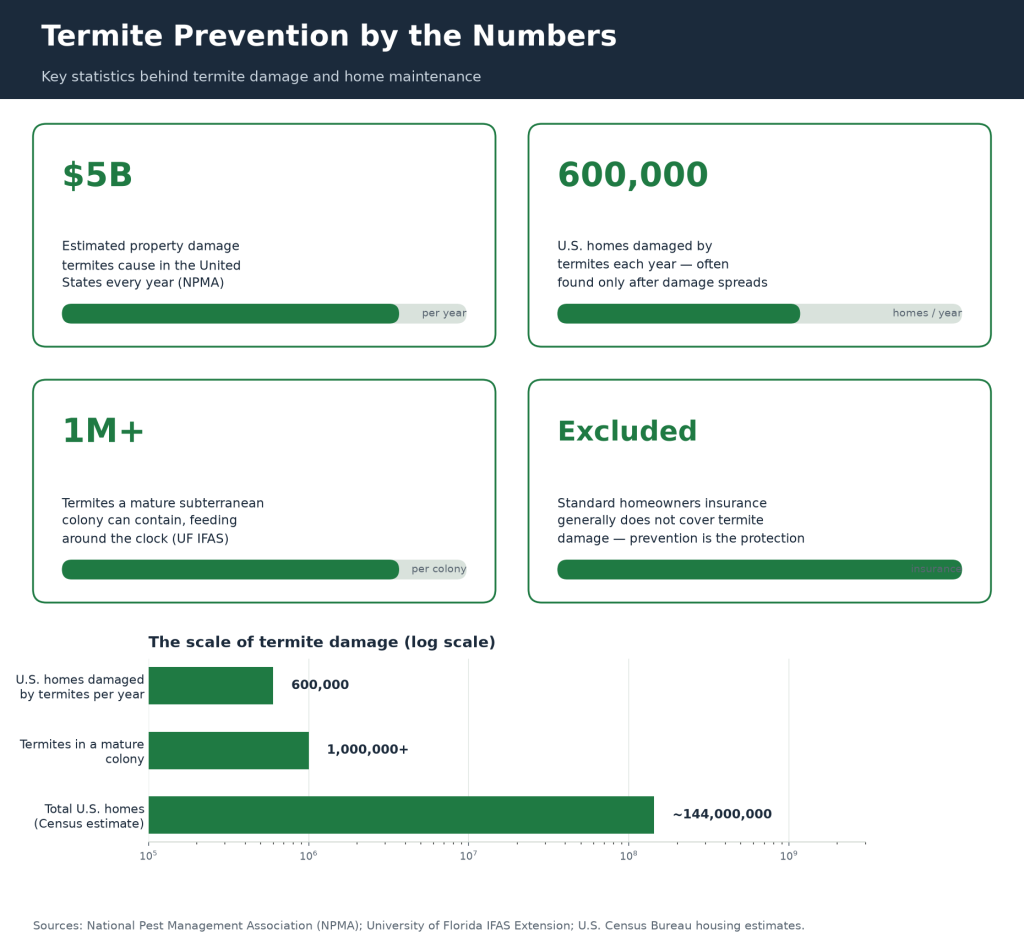
Termite Prevention in Numbers: What the Data Shows

The statistics behind termite damage explain why steady home maintenance matters so much:

  • Annual damage: Termites cause an estimated $5 billion in property damage in the United States every year, according to the National Pest Management Association (NPMA).
  • Homes affected: Roughly 600,000 U.S. homes sustain termite damage each year, and much of it stays hidden until it becomes expensive to repair.
  • Insurance gap: Standard homeowners insurance generally does not cover termite damage or removal, so prevention and early detection carry the full financial weight.
  • Colony size: A mature subterranean colony can contain from about 60,000 to more than 1,000,000 termites feeding around the clock (University of Florida IFAS Extension).
  • Moisture link: Subterranean termites depend on moisture and soil contact — plumbing leaks, poor drainage, and damp wood near a foundation are among the strongest attractants a home can offer.
Termite Prevention by the Numbers: chart of annual U.S. termite property damage, homes damaged each year, termite colony size, and homeowners insurance exclusion

Measured against these numbers, routine maintenance is not cosmetic. Fixing leaks, managing moisture, and inspecting hidden areas removes the exact conditions colonies need to start.

Sources: National Pest Management Association (NPMA), termite damage estimates and insurance guidance; University of Florida IFAS Extension, subterranean termite biology; U.S. Census Bureau, housing unit estimates.

Regular home maintenance can play an important role in long-term termite prevention by reducing moisture problems, limiting favorable conditions, protecting vulnerable wood, improving drainage, and making warning signs easier to identify. It cannot guarantee that termites will never appear, but it can make the property easier to monitor and maintain. Combining consistent household maintenance with appropriate professional inspections gives homeowners a more complete way to approach termite control over time.

FAQs About Home Maintenance and Termite Prevention

1. Can regular home maintenance completely prevent termites?

No. Maintenance can reduce conditions that may contribute to termite problems, but it cannot guarantee complete prevention. Termites can enter properties through concealed pathways, so routine inspections remain useful.

2. How often should a home be checked for termite activity?

The appropriate frequency depends on the property, construction, environmental conditions, previous termite history, and other risk factors. Regular visual checks can be performed during normal maintenance, while professional inspections can provide a more detailed assessment.

3. Does moisture attract termites to a home?

Moisture can contribute to conditions that make some areas more suitable for termite activity, particularly when it is associated with damp or deteriorating wood. Fixing leaks and improving drainage are therefore sensible maintenance practices.

4. Should firewood be stored away from the house?

Yes. Keeping firewood away from the home’s exterior and off the ground where practical makes it easier to inspect and reduces direct contact between potentially infested wood and the structure.

5. Can maintenance help after termites have already been found?

Maintenance can help address conditions such as leaks, drainage problems, damaged wood, and access points, but it should not be considered a substitute for addressing an active termite infestation. Professional assessment can help determine what additional measures are appropriate.

Categories
Blog

How Does Integrated Pest Management (IPM) Improve Bed Bug Control Outcomes?

How Does Integrated Pest Management (IPM) Improve Bed Bug Control Outcomes?

Bed bug control can be challenging because these insects are excellent at hiding, reproducing, and avoiding detection. Simply treating the most obvious areas may not address the entire infestation. This is where Integrated Pest Management, commonly called IPM, becomes useful.

IPM combines inspection, monitoring, physical controls, environmental changes, and carefully selected treatments instead of relying on one method. For people researching bed bug control Pembroke Pines, understanding this approach can explain why successful control often requires more than a single application.

What Is Integrated Pest Management for Bed Bugs?

Integrated Pest Management is a structured approach to pest control that uses several compatible methods to identify, manage, and monitor a pest problem. With bed bugs, the process starts with accurate identification and a detailed inspection.

Rather than immediately treating every possible surface, an IPM strategy asks a more important question: Where are the bed bugs actually hiding, and what conditions are allowing them to remain there?

The answer guides the next steps.

Why IPM Is Different From Conventional Bed Bug Treatment

A conventional approach may focus heavily on applying a pesticide. While insecticides can play an important role, bed bugs can hide in cracks, furniture joints, wall voids, electrical areas, and other protected spaces.

IPM takes a broader view. It considers the biology and behavior of the pest, the condition of the environment, treatment history, and evidence found during inspections.

The Main Goal of an IPM Approach

The goal is not simply to kill visible insects. It is to reduce the infestation as thoroughly as practical and prevent surviving bed bugs from continuing the cycle.

That means finding harborages, reducing hiding opportunities, monitoring activity, applying appropriate controls, and checking whether the situation is actually improving.

Why Bed Bugs Are Difficult to Control

Bed bugs are small, flat insects that can occupy surprisingly narrow spaces. Their size and behavior allow them to remain unnoticed even when people are sleeping nearby.

A room may appear clean and organized while still containing an active infestation. Cleanliness alone does not determine whether bed bugs are present.

Hidden Harborages Make Detection Difficult

Bed bugs often stay close to areas where people rest. Common hiding locations can include mattress seams, bed frames, headboards, furniture joints, cracks, and other protected spaces.

As an infestation develops, however, insects may spread farther from the original hiding site. This makes a surface-level inspection unreliable.

Bed Bugs Can Survive Without Frequent Feeding

Bed bugs feed on blood, but they do not need to feed continuously. Their ability to survive between meals can make control more complicated.

A vacant room, for example, does not necessarily mean an infestation has disappeared. Some insects may remain hidden until suitable feeding opportunities return.

Why Surviving Bugs Can Restart an Infestation

Even when visible activity decreases, surviving insects or eggs may remain. If those individuals are not addressed, the infestation can become noticeable again later.

This is one reason IPM emphasizes monitoring and follow-up rather than assuming that reduced activity automatically means complete control.

How Inspection Improves Bed Bug Control Outcomes

Inspection is the foundation of an effective IPM program. Without knowing where evidence is located, control efforts can become unnecessarily broad or miss important areas.

A detailed inspection creates a map of the infestation.

Identifying Active Infestation Sites

Inspectors may examine sleeping areas, furniture, seams, cracks, baseboards, and other potential harborages. The purpose is to determine where bed bugs are concentrated and whether they have moved into surrounding areas.

The information gathered helps determine which control methods make sense for the situation.

Finding Eggs, Nymphs, and Other Evidence

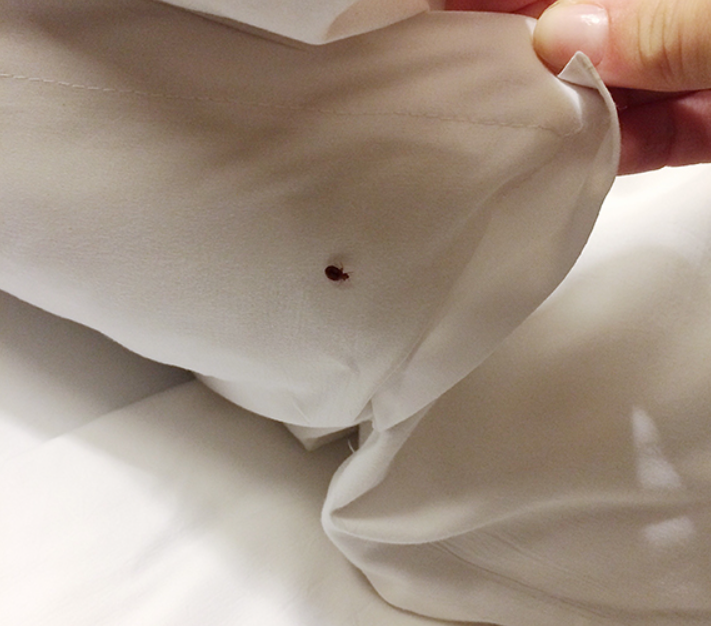
An inspection does not depend only on finding adult bed bugs. Eggs, shed skins, fecal spotting, and other physical evidence can also indicate activity.

Recognizing these signs is important because a room can contain evidence of an infestation even when live insects are difficult to locate.

How Monitoring Supports IPM

Monitoring provides information that a single inspection cannot. It helps determine whether bed bug activity is declining, continuing, or appearing in new locations.

Using Interceptors and Regular Inspections

Bed bug interceptors can be placed beneath suitable furniture legs to help detect movement between the floor and furniture. Visual inspections can then supplement monitoring devices.

Together, these methods create a clearer picture of what is happening after treatment.

What Monitoring Can Reveal Over Time

Monitoring may reveal whether activity is becoming less frequent, whether insects remain concentrated in one area, or whether they have moved to another location.

This turns pest control into an ongoing process based on evidence rather than guesswork.

Why Preparation Matters in Bed Bug IPM

Preparation can significantly influence how accessible hiding places are. Poor preparation may leave insects protected behind clutter or personal belongings.

Good preparation does not mean randomly moving everything around. In fact, careless movement can sometimes spread bed bugs.

Reducing Clutter and Hiding Places

Reducing unnecessary clutter can make inspections and treatments more thorough. Items that block access to walls, furniture, or floor areas may prevent control measures from reaching important locations.

The objective is better access, not simply making the room look cleaner.

Managing Bedding, Clothing, and Personal Items

Bedding, clothing, luggage, and other belongings should be handled carefully when bed bugs are suspected. Moving potentially infested items from one room to another can spread insects.

Depending on the circumstances, laundering, drying, containment, or other approved methods may be recommended for particular items.

How IPM Combines Multiple Control Methods

Bed bug control monitoring and inspection tools used in bed bug control management

One of the defining features of IPM is the combination of compatible control techniques.

Instead of treating pest control like a single tool, think of it as a toolbox. Different tools address different parts of the problem.

Heat and Temperature-Based Controls

Heat can be used as part of bed bug management because bed bugs and their eggs are sensitive to sufficiently high temperatures maintained for appropriate periods.

Professional heat treatments require careful control of temperature and exposure. Simply turning up a household thermostat does not provide the same result.

Vacuuming and Physical Removal

Vacuuming can physically remove bed bugs and debris from accessible areas. It can be useful as one component of a broader strategy.

However, vacuuming alone generally does not address every hidden insect or egg, particularly when pests are located inside inaccessible harborages.

Targeted Insecticide Applications

Insecticides can be valuable when selected and applied appropriately. IPM favors targeted applications based on inspection findings rather than unnecessary treatment of every surface.

Product selection, application technique, resistance considerations, and label directions all matter.

How IPM Helps Reduce Treatment Failures

Bed bug control can fail when important parts of the infestation are overlooked. IPM addresses this problem by connecting inspection, treatment, and monitoring.

Addressing the Entire Infestation Instead of One Area

Treating only a mattress when bed bugs are also present in the frame, nearby furniture, or surrounding cracks leaves potential harborages untouched.

An IPM inspection considers the broader environment so that control efforts are not limited to the most obvious location.

Avoiding Overreliance on a Single Control Method

No single technique is universally appropriate for every infestation. Depending on the circumstances, physical removal, environmental changes, heat, monitoring, and insecticide treatments may work together.

Using several complementary methods can reduce dependence on any one tactic.

The Role of Follow-Up in Bed Bug Management

Bed bug management should be evaluated over time. Follow-up helps determine whether the original control measures produced the expected reduction in activity.

Why One Inspection May Not Be Enough

Eggs may hatch after an initial treatment, and hidden insects may not be detected immediately. Follow-up inspections provide another opportunity to identify remaining activity.

This is especially important when an infestation has been established for an extended period.

When Additional Treatment May Be Necessary

Additional treatment may be considered when monitoring or inspection identifies continued activity. The appropriate response depends on where insects are found, what methods have already been used, and whether preparation or environmental factors are contributing to the problem.

How Residents Can Support an IPM Program

Residents play an important role because their daily actions can either support or interfere with pest management.

Following Preparation and Treatment Instructions

Preparation instructions should be followed carefully. Moving belongings unnecessarily, discarding furniture without a plan, or changing the treatment area can interfere with the control strategy.

Clear communication between residents and pest professionals helps keep the process organized.

Avoiding Actions That Spread Bed Bugs

Moving mattresses, furniture, clothing, or other belongings between rooms can transport bed bugs. Sleeping in a different room may also cause insects to follow a new source of warmth and carbon dioxide.

Keeping potentially affected items contained and following the established management plan can help limit spread.

How IPM Applies to Bed Bug Control in Pembroke Pines

The principles of IPM apply wherever bed bugs are present, including homes, apartments, hotels, offices, and other occupied structures in Pembroke Pines.

When considering bed bug control in Pembroke Pines, the physical characteristics of the property can influence the inspection and management process. Multi-unit buildings, shared walls, furniture placement, and occupant movement can all affect how an infestation develops.

EntoLogic Pest Solutions can be referenced as a local pest management business when researching how professional IPM-based bed bug management may be structured, but the underlying principles of inspection, monitoring, environmental management, and targeted control remain broadly applicable.

Why Local Conditions and Building Layout Matter

A detached home and a multi-unit property may present very different management challenges. In connected buildings, activity can potentially involve neighboring units or shared structural areas.

That makes accurate inspection and communication particularly important when determining the extent of an infestation.

What Makes an IPM Strategy More Effective?

An IPM strategy works best when each step supports the next. Inspection informs treatment, treatment is followed by monitoring, and monitoring provides information for subsequent decisions.

Accurate Identification and Documentation

Correct identification prevents unnecessary treatment for insects that are not bed bugs. Documenting locations, evidence, and activity patterns also creates a useful baseline for follow-up inspections.

Consistent Monitoring and Communication

Bed bug management is easier to evaluate when observations are reported consistently. New sightings, unusual activity, or changes in affected areas can provide valuable information.

In other words, the process works like a feedback loop: inspect, act, monitor, evaluate, and adjust.

EntoLogic Pest Solutions Serving the Town Gate Community and Beyond in Pembroke Pines

EntoLogic Pest Solutions is dedicated to serving the diverse needs of the local community of Pembroke Pines, including individuals residing in neighbourhoods like Town Gate. With its convenient location near landmarks such as the FULLANA PROPERTY GROUP INC and major intersections like NW 168th Ave and NW 7th St (coordinates: 26.013227, -80.3694844), we offer bed bug control services.

Get bed bug control services at Town Gate Now

Call Us or Contact Us: +1 469-425-8406

Navigate from Town Gate to EntoLogic Pest Solutions Now

Integrated Pest Management improves bed bug control outcomes by treating the infestation as a complete problem rather than simply a pesticide application. Inspection identifies likely harborages, preparation improves access, physical and chemical controls address different parts of the infestation, and monitoring helps determine whether activity is actually declining. For bed bug control Pembroke Pines, this evidence-based approach can provide a more structured way to understand and manage complicated infestations. The central idea is simple: better information leads to better-targeted control decisions.

Frequently Asked Questions About Bed Bug IPM

Is IPM better than using insecticide alone for bed bugs?

IPM is broader than insecticide-only treatment because it combines multiple management methods. Insecticides may still be part of an IPM program, but inspection, monitoring, physical controls, and environmental management are also considered.

How long does an IPM approach take to control bed bugs?

The timeframe varies according to infestation size, building conditions, treatment methods, preparation, and whether additional activity is discovered during follow-up. Established infestations can require repeated inspections and control measures.

Can IPM completely eliminate a bed bug infestation?

IPM is designed to reduce and manage pest populations using multiple coordinated methods. Complete elimination depends on factors such as infestation extent, access to harborages, treatment effectiveness, and whether bed bugs are being introduced from another location.

Do residents need to leave their home during IPM treatment?

That depends on the control method being used. Some treatments may require temporary absence, while other approaches may allow occupants to remain under specific conditions. The treatment instructions for the particular method should always be followed.

Can IPM help prevent bed bugs from returning?

IPM can help reduce the conditions that allow bed bugs to persist and can improve early detection through monitoring. However, prevention cannot guarantee that new bed bugs will never be introduced. Regular awareness and prompt attention to suspicious signs remain important.

Categories
Blog

How Do Professional Termite Control Experts Locate Hidden Termite Colonies?

How Do Professional Termite Control Experts Locate Hidden Termite Colonies?

Finding a termite is usually much easier than finding the colony it came from. A few insects may appear near a window, along a wall, or around damaged wood, but that visible activity can represent only a small part of the problem.

Termites are built for staying hidden. They can move through soil, wood, wall cavities, foundations, and other protected spaces while remaining almost completely unnoticed. That is why professional termite inspections involve more than simply looking for insects.

Professionals such as those associated with EntoLogic Pest Solutions use a combination of visual clues, structural knowledge, moisture observations, damage patterns, and specialized inspection tools to understand where termite activity is coming from. The goal is not simply to find a termite. It is to piece together the evidence that reveals where the hidden activity is concentrated.

Why Hidden Termite Colonies Are Difficult to Find

Termites Often Stay Out of Sight

Termites spend much of their lives away from open areas. Subterranean termites, for example, commonly travel through soil and protected pathways before reaching wooden structures.

Drywood termites present a different challenge because colonies can exist directly inside wooden components. In either situation, the insects may be working behind the scenes while the homeowner sees little or nothing.

It is similar to seeing a small crack in a wall and wondering what is happening behind it. The visible sign gives you a clue, but not necessarily the complete story.

Why Visible Damage Does Not Show the Whole Problem

A damaged piece of wood does not automatically reveal where the colony is located. Termites may move from one area to another, and the most obvious damage may be where activity has been occurring for some time rather than where the colony originally established itself.

This makes patterns important. Inspectors look at where damage occurs, how it is distributed, whether the wood contains moisture, and whether other signs of activity appear nearby.

How Experts Start a Termite Colony Investigation

Reviewing Signs of Termite Activity

The inspection usually begins with visible evidence. This can include discarded wings, live termites, damaged wood, mud tubes, droppings, hollow-sounding wood, or small openings associated with termite activity.

No single sign tells the entire story. Instead, inspectors compare multiple observations to determine whether they point toward active termites and where those termites may be traveling.

Understanding the Building and Property

The structure itself provides important clues. Inspectors consider foundations, exterior walls, wooden framing, landscaping, plumbing areas, roof structures, crawl spaces, and other locations where termites might gain access or remain protected.

Moisture and Structural Conditions

Moisture deserves particular attention because damp conditions can make certain areas more attractive to termites and can also create conditions that contribute to wood deterioration.

Plumbing leaks, poor drainage, condensation, roof leaks, and moisture around foundations can therefore become useful pieces of the inspection puzzle.

How Termite Inspectors Trace Activity Back to the Colony

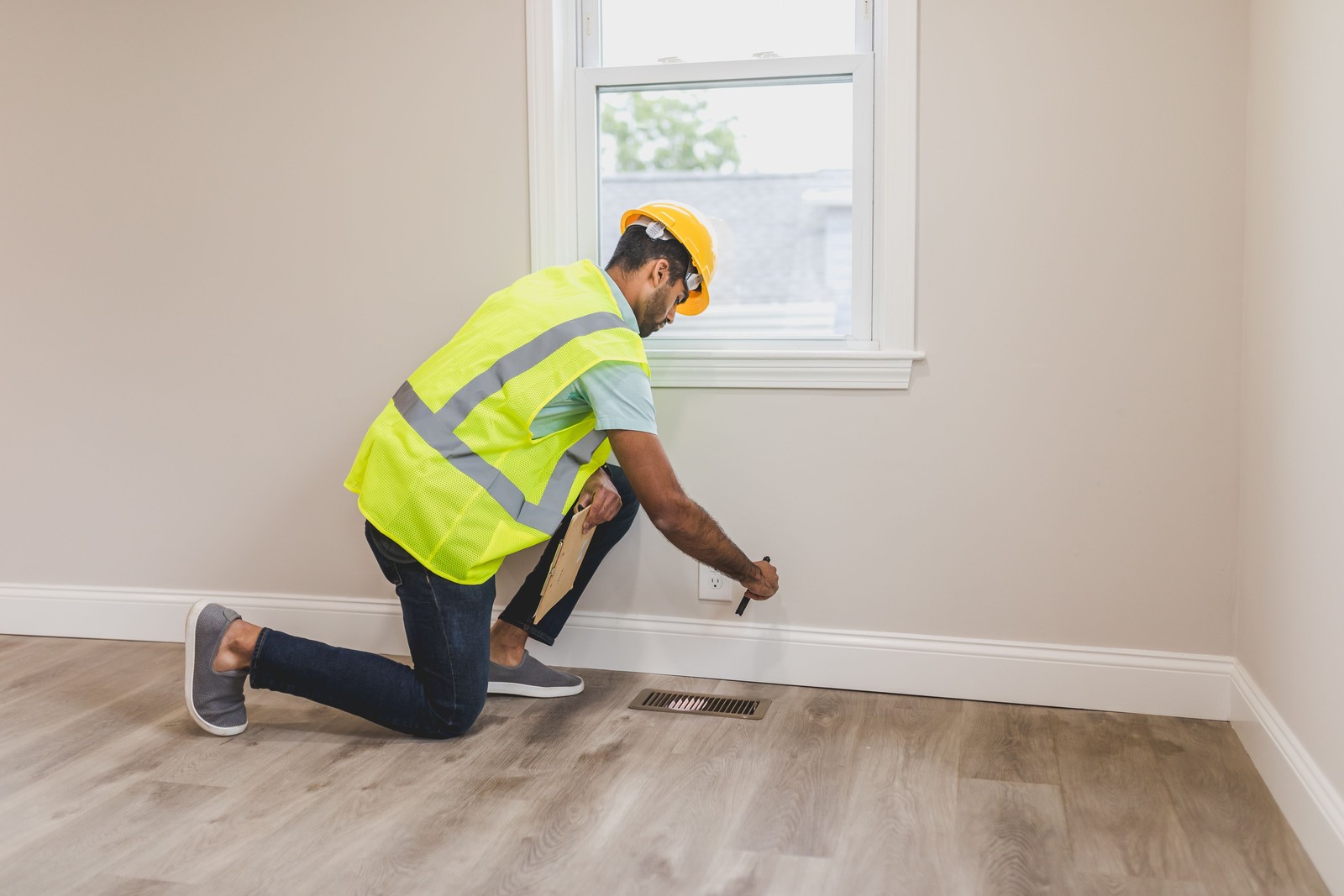
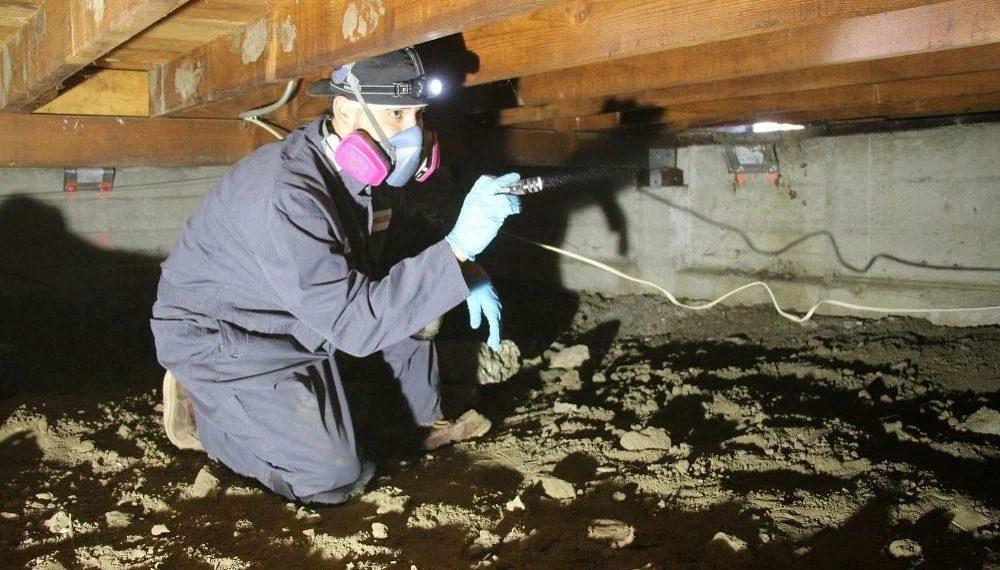
Professional termite control inspector tracing hidden termite colony activity during termite inspection

Following Mud Tubes and Shelter Tubes

Subterranean termites may create mud tubes that allow them to travel between soil and wooden structures while maintaining protection from environmental conditions.

An inspector can follow these pathways to determine where termites may be entering a building. A tube near a foundation, for example, can provide a much stronger clue about termite movement than an isolated damaged board inside the house.

Examining Wood Damage Patterns

Wood damage can also reveal how termites have been moving. Professionals examine areas where wood has been hollowed, weakened, or altered.

The location and pattern of damage may help distinguish termite activity from other causes of deterioration. This matters because moisture damage, fungal decay, carpenter ants, and physical damage can sometimes look confusingly similar.

Checking Soil and Foundation Areas

For subterranean termites, the soil surrounding a structure can be an important part of the investigation.

Inspectors may examine foundation edges, expansion joints, cracks, utility penetrations, and other potential access points. The objective is to understand how termites could be traveling between their underground environment and the structure.

Tools Used to Locate Hidden Termites

Moisture Meters

Moisture meters help identify areas with elevated moisture levels inside or around building materials. While moisture does not prove termite activity, unusual readings can help inspectors identify locations that deserve closer examination.

Infrared Inspection

Infrared equipment can sometimes identify temperature differences associated with concealed conditions. It does not magically reveal termites through a wall, but it can help highlight areas that warrant additional investigation.

This is important because technology works best as part of a broader inspection rather than as a replacement for professional judgment.

Acoustic and Detection Devices

Some termite inspections may use acoustic or specialized detection equipment to identify activity that is difficult to observe directly.

These tools can be useful when termites are concealed inside wood or structural cavities. However, readings still need to be interpreted in context. A device can provide evidence, but the surrounding conditions help determine what that evidence means.

Targeted Visual Inspection

Despite advances in technology, direct inspection remains fundamental. Professionals examine accessible structural components, joints, cracks, wood surfaces, and other likely activity zones.

Think of specialized equipment as a flashlight that reveals another layer of information. It makes the investigation more effective, but the inspector still has to understand what they are seeing.

How Different Termite Species Affect the Search

Subterranean Termites

Subterranean termites typically maintain connections with soil or other protected environments. Their inspection often focuses on foundations, soil conditions, moisture, shelter tubes, and potential entry points.

Because the colony may be underground, finding termites inside a building does not necessarily mean the colony itself is inside the structure.

Drywood Termites

Drywood termites can establish colonies within dry wood. That changes the inspection process because activity may be concealed inside roof timbers, framing, furniture, or other wooden components.

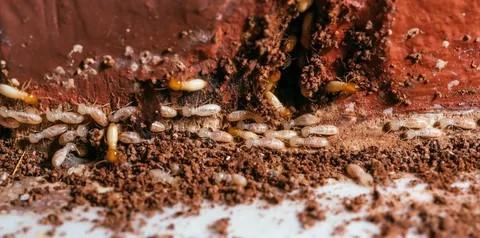
Small piles of drywood termite droppings, known as frass, can sometimes provide a clue to activity hidden inside wood.

Dampwood Termites

Dampwood termites are associated with moist wood. When these termites are suspected, inspectors pay close attention to areas affected by water intrusion, leaks, decay, or persistent dampness.

Understanding the likely termite species helps determine where an inspector should spend the most time looking.

Why Termite Colony Location Matters

Finding the Source of Activity

Locating where termites are entering or traveling through a structure provides valuable information about the infestation.

For example, activity inside an interior wall could potentially be connected to an exterior foundation pathway. Without tracing the evidence, treating only the visible area may fail to address the larger pattern of activity.

Distinguishing Active From Old Damage

Not every damaged board means termites are currently feeding there. Wood can retain evidence of previous activity long after termites have moved elsewhere.

Professionals therefore look for indicators that help determine whether the activity is current. Live insects, fresh droppings, new shelter tubes, and other recent signs can be more meaningful than old structural damage alone.

Common Places Hidden Termite Colonies May Be Found

Wall Voids and Structural Cavities

Walls can provide protected routes for termites. Plumbing penetrations, utility openings, framing connections, and other concealed spaces may allow activity to remain unnoticed.

Because these areas are difficult to see directly, inspectors rely on surrounding evidence to determine where further investigation may be appropriate.

Attics, Roof Structures, and Eaves

Wooden roof components can provide hiding places for certain termite species, particularly when moisture or other favorable conditions are present.

Inspectors may examine rafters, trusses, roof sheathing, eaves, and other accessible wooden components for damage or other evidence.

Basements, Crawl Spaces, and Foundations

These areas can be especially important when subterranean termites are suspected. Foundation walls, wooden supports, soil contact, moisture, cracks, and concealed entry points can all provide useful clues.

How Professional Termite Control Pembroke Pines Inspections Differ From Basic Checks

Combining Multiple Signs

A basic inspection might focus on whether termites are visible. A professional investigation goes further by asking how the evidence connects.

For someone researching professional termite control Pembroke Pines, this distinction is important. Effective termite detection is less like checking a single box and more like assembling a puzzle. One clue may mean very little by itself, while several matching clues can reveal a clear activity pattern.

Building a Complete Activity Map

Professionals may document where termites, damage, moisture, tubes, or other evidence occur throughout the property. Mapping these observations helps identify relationships between different areas. It can show whether several signs appear to be connected or whether separate areas require individual attention.

What Homeowners Should Know Before an Inspection

Why One Visible Termite Does Not Reveal the Whole Colony

Seeing one termite is not the same as locating its colony. Worker termites can travel away from the main colony while searching for food and suitable conditions.

That means the insect you see may be closer to the end of the trail than the beginning.

Why Delayed Inspection Can Complicate Detection

Termite activity can remain unnoticed for extended periods because termites often work inside concealed spaces. Over time, damage can become more extensive while some visible evidence may change or disappear.

An inspection is therefore most useful when it considers both current signs and the structural conditions that could support continued activity.

EntoLogic Pest Solutions Serving the SilverLakes Community and Beyond in Pembroke Pines

EntoLogic Pest Solutions is dedicated to serving the diverse needs of the local community of Pembroke Pines, including individuals residing in neighbourhoods like SilverLakes. With its convenient location near landmarks such as the CVS and major intersections like NW 172nd Ave and Pines Blvd (coordinates: 26.008727, -80.3769956), we offer professional termite control services.

Get professional termite control services at SilverLakes Now

Call Us or Contact Us: +1 469-425-8406

Navigate from SilverLakes to EntoLogic Pest Solutions Now

Locating a hidden termite colony requires more than spotting insects. Professionals study termite behavior, structural pathways, wood damage, moisture conditions, soil, foundations, and other evidence to determine how activity is moving through a property. Specialized tools can add another layer of information, but the strongest inspections combine technology with careful observation and knowledge of termite biology. Understanding that process helps explain why a thorough termite investigation can uncover problems that are not immediately visible. A professional termite control expert in Pembroke Pines can easily handle all these termites.

FAQs About Hidden Termite Colonies

Can termites live inside walls without being visible?

Yes. Termites can travel through concealed structural spaces and may remain inside wood or wall cavities without appearing in open areas. Evidence around the surrounding structure can provide clues about hidden activity.

How do professionals know if termite damage is active?

They look for current evidence such as live termites, fresh shelter tubes, recent droppings, and other indicators. They also consider the condition and location of the damage rather than assuming every damaged area is currently infested.

Can moisture help experts locate termite activity?

Moisture can provide useful information during an inspection. Elevated moisture may identify areas that deserve closer attention, although moisture alone does not confirm termite activity.

Do all termite species build visible mud tubes?

No. Mud tubes are strongly associated with subterranean termites. Other termite species, such as drywood termites, can live inside wood without constructing the same type of external shelter tubes.

Can a termite inspection find the entire colony?

An inspection can identify evidence that helps determine where termite activity originates or how termites are accessing a structure, but the colony itself may remain concealed, particularly when it is underground or deep within structural materials.