How Does a Termite Control Company Protect Wooden Structures from Damage?

How Does a Termite Control Company Protect Wooden Structures from Damage?

Wooden structures bring warmth, strength, and timeless design into any property but they also come with a hidden risk. Termites, often called “silent destroyers,” can quietly eat away at wood for months or even years before the damage becomes visible. So how does a professional service actually prevent this from happening? Let’s walk through the real process behind how experts protect wood from termite destruction.
Understanding the Threat of Termites
Why Wooden Structures Are Vulnerable
Wood is rich in cellulose, which termites rely on as their primary food source. Think of your wooden beams, flooring, or furniture as an all-you-can-eat buffet from a termite’s perspective. Once they gain access, they don’t just nibble they tunnel deep inside, weakening structures from within.
Types of Termites That Cause Damage
Not all termites behave the same way. Subterranean termites build colonies underground and invade from below, drywood termites live directly inside wood, and dampwood termites prefer moist environments. Each type requires a different protection strategy, which is why professional expertise matters.
Early Signs of Termite Infestation
Visual Indicators
Termites rarely make a grand entrance. Instead, they leave subtle clues mud tubes on walls, piles of discarded wings, or tiny holes in wood. These signs may look harmless at first glance, but they often signal a much larger hidden problem.
Structural Warning Signs
Have you noticed doors sticking or floors sagging unexpectedly? These aren’t always construction issues. Hollow-sounding wood or bubbling paint can indicate internal termite damage already in progress.
The Role of a Termite Control Company
Inspection and Assessment
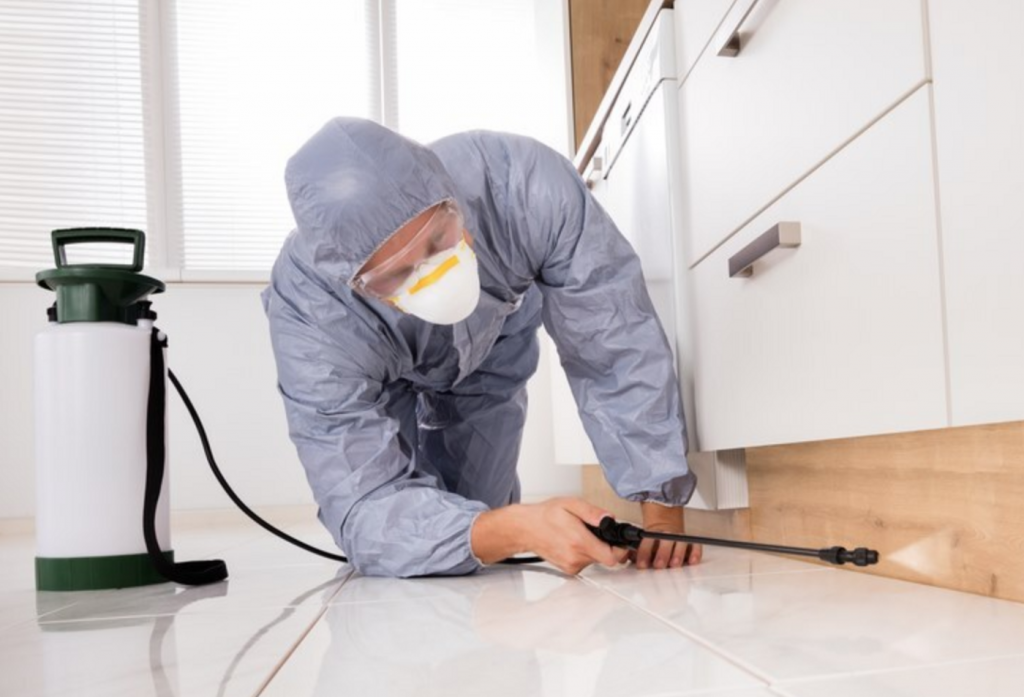
A termite control company pembroke pines begins with a thorough inspection. Professionals carefully examine foundations, crawl spaces, wooden beams, and even outdoor areas that may invite termites. It’s not just a quick look it’s a detailed evaluation.
Risk Identification
Beyond spotting active termites, experts identify conditions that attract them. Moisture buildup, poor drainage, and wood-to-soil contact are all red flags. Addressing these risks early can stop infestations before they even begin.
Advanced Inspection Techniques
Moisture Detection Tools
Since termites thrive in damp conditions, moisture meters are used to detect hidden wet areas. These tools help pinpoint vulnerable spots that might otherwise go unnoticed.
Infrared Technology
Thermal imaging adds another layer of precision. By detecting temperature differences within walls and structures, professionals can locate termite activity without causing damage like seeing beneath the surface without breaking it open.
Preventive Measures for Wooden Structures
Soil Treatment Methods
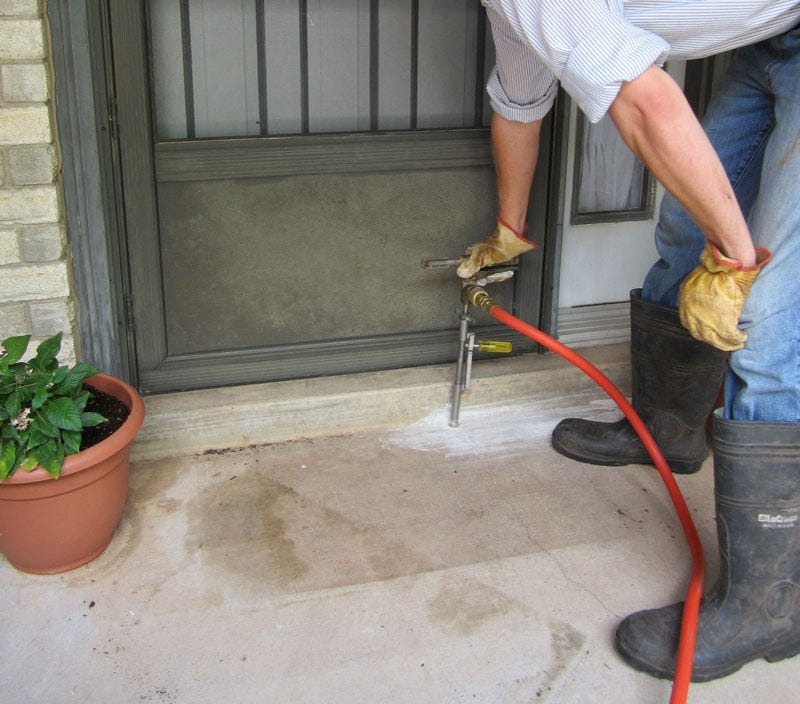
Soil treatment creates a protective shield around a building. By applying termiticides into the ground, experts block subterranean termites from entering the structure in the first place.
Wood Treatment Applications
Surface Treatments
Surface treatments involve applying protective solutions directly onto wood. These treatments act as a deterrent, making wood less appealing to termites.
Injection Treatments
For deeper infestations, injection treatments deliver termiticides directly into wooden structures. This method targets termites already inside and prevents further spread.
Chemical Barriers Explained
Liquid Termiticides
Liquid termiticides form a continuous barrier in the soil around a structure. When termites attempt to cross it, they are eliminated before reaching the wood.
Non-Repellent Solutions
Non-repellent treatments are particularly effective because termites can’t detect them. They unknowingly carry the substance back to their colony, spreading it throughout the population and eliminating the source.
Baiting Systems for Long-Term Protection
How Bait Stations Work
Bait stations are strategically placed around a property. Termites consume the bait and share it with the colony, gradually leading to its collapse. It’s a slow but highly effective approach.
Monitoring and Maintenance
Ongoing monitoring is essential for success. Companies like EntoLogic Pest Solutions regularly inspect and maintain bait stations, ensuring consistent protection over time. 
Structural Modifications to Reduce Risk
Eliminating Moisture Sources
Leaky pipes, standing water, and clogged gutters create the perfect environment for termites. Fixing these issues reduces the chances of infestation significantly.
Improving Ventilation
Proper airflow in crawl spaces and attics keeps humidity levels low. Since termites thrive in moist conditions, better ventilation makes the environment less inviting.
Eco-Friendly Termite Control Methods
Biological Solutions
Some modern approaches use natural organisms or biological agents to control termite populations. These methods reduce reliance on harsh chemicals.
Low-Toxicity Treatments
Low-toxicity solutions provide effective protection while minimizing environmental impact. They are designed to be safer for both humans and pets.
Importance of Regular Maintenance
Scheduled Inspections
Even after treatment, regular inspections are crucial. Termites can return if conditions become favorable again, so ongoing vigilance is key.
Long-Term Protection Plans
A long-term strategy ensures continuous defense. Rather than reacting to infestations, maintenance plans focus on prevention and early detection.
Role of Professional Expertise
Knowledge of Local Termite Behavior
A termite control company in pembroke pines understands local termite species, climate conditions, and environmental factors. This knowledge allows for more effective and targeted solutions.
Customized Protection Strategies
Every structure is different. Professionals design customized plans based on specific risks, ensuring the most efficient protection possible.
Common Mistakes in Termite Prevention
Ignoring Early Signs
One of the biggest mistakes is overlooking early warning signs. By the time damage becomes visible, the infestation is often well-established.
DIY Limitations
DIY treatments may seem convenient, but they rarely address the full scope of the problem. Without proper tools and expertise, termites often return.
EntoLogic Pest Solutions Serving the Cooper City Community and Beyond in Pembroke Pines
EntoLogic Pest Solutions is dedicated to serving the diverse needs of the local community of Pembroke Pines, including individuals residing in neighbourhoods like Cooper City. With its convenient location near landmarks such as the University Mitsubishi and major intersections like S University Dr and SW 52nd PI (coordinates: 26.055236, -80.2524731), we offer termite control services.


Get termite control at Cooper City Now
Call Us or Contact Us: (954) 955-3031 

Navigate from Cooper City  to EntoLogic Pest Solutions Now
<iframe src="https://www.google.com/maps/embed?pb=!1m14!1m8!1m3!1d114597.11270067806!2d-80.2597202!3d26.1589256!3m2!1i1024!2i768!4f13.1!3m3!1m2!1s0x87c96e52feffc22d%3A0xe87b7b7de372420f!2sEntoLogic%20Pest%20Solutions!5e0!3m2!1sen!2s!4v1777040829571!5m2!1sen!2s" width="600" height="450" style="border:0;" allowfullscreen="" loading="lazy" referrerpolicy="no-referrer-when-downgrade"></iframe>
Protecting wooden structures from termites requires more than a one-time fix; it demands a strategic, ongoing approach. From detailed inspections and advanced detection tools to preventive treatments and structural improvements, a professional termite control service provides comprehensive protection. With the right expertise and consistent maintenance, wooden structures can remain strong, safe, and termite-free for years to come.
Protecting Your Investment: The Financial Impact of Termites and the Value of Professional Control
The Scale of the Problem:
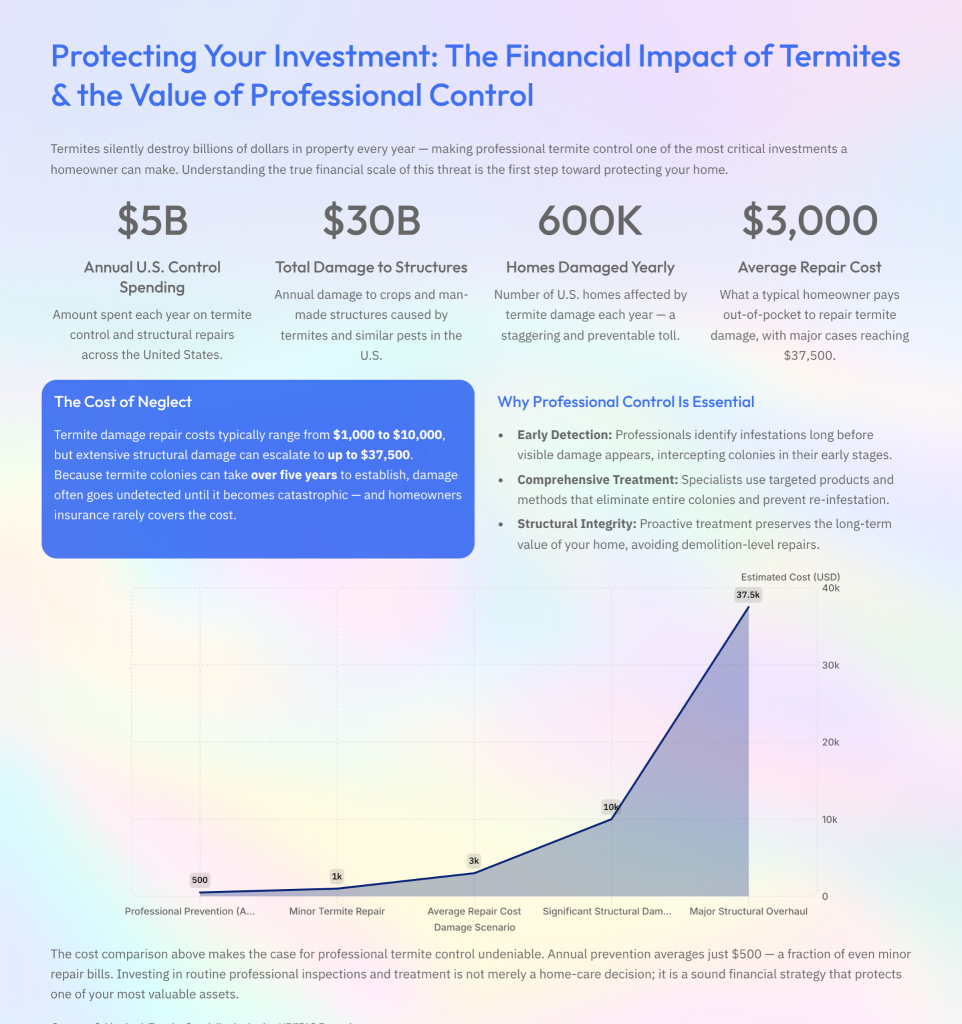
$5 Billion: Estimated annual U.S. spending on termite control and repair.
$30 Billion: Estimated annual damage to crops and man-made structures in the U.S. by termites and similar pests.
600,000: Number of homes in the U.S. damaged by termites each year.
The Cost of Neglect:
$3,000: Average cost for a homeowner to repair termite damage.
$1,000 - $10,000: Typical range for termite damage repair costs.
Up to $37,500: Potential cost for major structural repairs due to extensive termite damage.
Why Professional Termite Control is Crucial:
Early Detection: Termite colonies can take over five years to establish and cause significant damage. Professionals can identify infestations before they become catastrophic.
Comprehensive Treatment: Effective control requires specialized knowledge and products to eliminate colonies and prevent re-infestation.
Structural Integrity: Preventing extensive damage saves homeowners from costly repairs and potential demolition.
Sources: Orkin, Angi, Termite Specialist Authority, UF/IFAS Extension

FAQs
1. How often should termite inspections be conducted?
 At least once a year, though high-risk environments may require more frequent checks.
2. What is the most effective termite prevention method?
 A combination of soil treatment, baiting systems, and regular inspections offers the best results.
3. Are eco-friendly termite treatments effective?
 Yes, modern eco-friendly solutions are designed to be both safe and highly effective.
4. Can termites return after treatment?
 Yes, which is why ongoing monitoring and maintenance are essential.
5. Why is professional termite control more reliable than DIY methods?
 Professionals use advanced tools, targeted treatments, and long-term strategies that address both current infestations and future risks.

Wooden structures bring warmth, strength, and timeless design into any property but they also come with a hidden risk. Termites, often called “silent destroyers,” can quietly eat away at wood for months or even years before the damage becomes visible. So how does a professional service actually prevent this from happening? Let’s walk through the real process behind how experts protect wood from termite destruction.

Understanding the Threat of Termites

Why Wooden Structures Are Vulnerable

Wood is rich in cellulose, which termites rely on as their primary food source. Think of your wooden beams, flooring, or furniture as an all-you-can-eat buffet from a termite’s perspective. Once they gain access, they don’t just nibble they tunnel deep inside, weakening structures from within.

Types of Termites That Cause Damage

Not all termites behave the same way. Subterranean termites build colonies underground and invade from below, drywood termites live directly inside wood, and dampwood termites prefer moist environments. Each type requires a different protection strategy, which is why professional expertise matters.

Early Signs of Termite Infestation

Visual Indicators

Termites rarely make a grand entrance. Instead, they leave subtle clues mud tubes on walls, piles of discarded wings, or tiny holes in wood. These signs may look harmless at first glance, but they often signal a much larger hidden problem.

Structural Warning Signs

Have you noticed doors sticking or floors sagging unexpectedly? These aren’t always construction issues. Hollow-sounding wood or bubbling paint can indicate internal termite damage already in progress.

The Role of a Termite Control Company

The Role of a Termite Control Company

Inspection and Assessment

A termite control company pembroke pines begins with a thorough inspection. Professionals carefully examine foundations, crawl spaces, wooden beams, and even outdoor areas that may invite termites. It’s not just a quick look it’s a detailed evaluation.

Risk Identification

Beyond spotting active termites, experts identify conditions that attract them. Moisture buildup, poor drainage, and wood-to-soil contact are all red flags. Addressing these risks early can stop infestations before they even begin.

Advanced Inspection Techniques

Moisture Detection Tools

Since termites thrive in damp conditions, moisture meters are used to detect hidden wet areas. These tools help pinpoint vulnerable spots that might otherwise go unnoticed.

Infrared Technology

Thermal imaging adds another layer of precision. By detecting temperature differences within walls and structures, professionals can locate termite activity without causing damage like seeing beneath the surface without breaking it open.

Preventive Measures for Wooden Structures

Soil Treatment Methods

Soil treatment creates a protective shield around a building. By applying termiticides into the ground, experts block subterranean termites from entering the structure in the first place.

Wood Treatment Applications

Surface Treatments

Surface treatments involve applying protective solutions directly onto wood. These treatments act as a deterrent, making wood less appealing to termites.

Injection Treatments

For deeper infestations, injection treatments deliver termiticides directly into wooden structures. This method targets termites already inside and prevents further spread.

Chemical Barriers Explained

Liquid Termiticides

Liquid termiticides form a continuous barrier in the soil around a structure. When termites attempt to cross it, they are eliminated before reaching the wood.

Non-Repellent Solutions

Non-repellent treatments are particularly effective because termites can’t detect them. They unknowingly carry the substance back to their colony, spreading it throughout the population and eliminating the source.

Baiting Systems for Long-Term Protection

How Bait Stations Work

Bait stations are strategically placed around a property. Termites consume the bait and share it with the colony, gradually leading to its collapse. It’s a slow but highly effective approach.

Monitoring and Maintenance

Ongoing monitoring is essential for success. Companies like EntoLogic Pest Solutions regularly inspect and maintain bait stations, ensuring consistent protection over time. 

Structural Modifications to Reduce Risk

Eliminating Moisture Sources

Leaky pipes, standing water, and clogged gutters create the perfect environment for termites. Fixing these issues reduces the chances of infestation significantly.

Improving Ventilation

Proper airflow in crawl spaces and attics keeps humidity levels low. Since termites thrive in moist conditions, better ventilation makes the environment less inviting.

Eco-Friendly Termite Control Methods

Biological Solutions

Some modern approaches use natural organisms or biological agents to control termite populations. These methods reduce reliance on harsh chemicals.

Low-Toxicity Treatments

Low-toxicity solutions provide effective protection while minimizing environmental impact. They are designed to be safer for both humans and pets.

Importance of Regular Maintenance

Scheduled Inspections

Even after treatment, regular inspections are crucial. Termites can return if conditions become favorable again, so ongoing vigilance is key.

Long-Term Protection Plans

A long-term strategy ensures continuous defense. Rather than reacting to infestations, maintenance plans focus on prevention and early detection.

Role of Professional Expertise

Knowledge of Local Termite Behavior

A termite control company in pembroke pines understands local termite species, climate conditions, and environmental factors. This knowledge allows for more effective and targeted solutions.

Customized Protection Strategies

Every structure is different. Professionals design customized plans based on specific risks, ensuring the most efficient protection possible.

Common Mistakes in Termite Prevention

Ignoring Early Signs

One of the biggest mistakes is overlooking early warning signs. By the time damage becomes visible, the infestation is often well-established.

DIY Limitations

DIY treatments may seem convenient, but they rarely address the full scope of the problem. Without proper tools and expertise, termites often return.

EntoLogic Pest Solutions Serving the Cooper City Community and Beyond in Pembroke Pines

EntoLogic Pest Solutions is dedicated to serving the diverse needs of the local community of Pembroke Pines, including individuals residing in neighbourhoods like Cooper City. With its convenient location near landmarks such as the University Mitsubishi and major intersections like S University Dr and SW 52nd PI (coordinates: 26.055236, -80.2524731), we offer termite control services.

Get termite control at Cooper City Now

Call Us or Contact Us: (954) 955-3031 

Navigate from Cooper City  to EntoLogic Pest Solutions Now

Protecting wooden structures from termites requires more than a one-time fix; it demands a strategic, ongoing approach. From detailed inspections and advanced detection tools to preventive treatments and structural improvements, a professional termite control service provides comprehensive protection. With the right expertise and consistent maintenance, wooden structures can remain strong, safe, and termite-free for years to come.

Protecting Your Investment: The Financial Impact of Termites and the Value of Professional Control

The Scale of the Problem:

  • $5 Billion: Estimated annual U.S. spending on termite control and repair.
  • $30 Billion: Estimated annual damage to crops and man-made structures in the U.S. by termites and similar pests.
  • 600,000: Number of homes in the U.S. damaged by termites each year.

The Cost of Neglect:

  • $3,000: Average cost for a homeowner to repair termite damage.
  • $1,000 – $10,000: Typical range for termite damage repair costs.
  • Up to $37,500: Potential cost for major structural repairs due to extensive termite damage.

Why Professional Termite Control is Crucial:

  • Early Detection: Termite colonies can take over five years to establish and cause significant damage. Professionals can identify infestations before they become catastrophic.
  • Comprehensive Treatment: Effective control requires specialized knowledge and products to eliminate colonies and prevent re-infestation.
  • Structural Integrity: Preventing extensive damage saves homeowners from costly repairs and potential demolition.
Protecting Your Investment: The Financial Impact of Termites and the Value of Professional Control

Sources: Orkin, Angi, Termite Specialist Authority, UF/IFAS Extension

FAQs

1. How often should termite inspections be conducted?
At least once a year, though high-risk environments may require more frequent checks.

2. What is the most effective termite prevention method?
A combination of soil treatment, baiting systems, and regular inspections offers the best results.

3. Are eco-friendly termite treatments effective?
Yes, modern eco-friendly solutions are designed to be both safe and highly effective.

4. Can termites return after treatment?
Yes, which is why ongoing monitoring and maintenance are essential.

5. Why is professional termite control more reliable than DIY methods?
Professionals use advanced tools, targeted treatments, and long-term strategies that address both current infestations and future risks.