Categories
Uncategorized

How Does a Termite Control Company Protect Wooden Structures from Damage?

How Does a Termite Control Company Protect Wooden Structures from Damage?

Wooden structures bring warmth, strength, and timeless design into any property but they also come with a hidden risk. Termites, often called “silent destroyers,” can quietly eat away at wood for months or even years before the damage becomes visible. So how does a professional service actually prevent this from happening? Let’s walk through the real process behind how experts protect wood from termite destruction.

Understanding the Threat of Termites

Why Wooden Structures Are Vulnerable

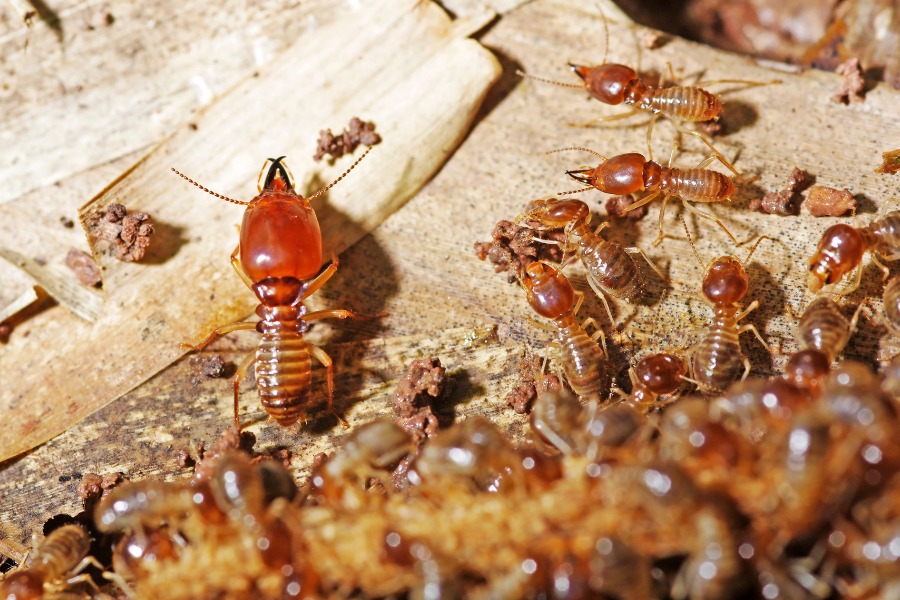
Wood is rich in cellulose, which termites rely on as their primary food source. Think of your wooden beams, flooring, or furniture as an all-you-can-eat buffet from a termite’s perspective. Once they gain access, they don’t just nibble they tunnel deep inside, weakening structures from within.

Types of Termites That Cause Damage

Not all termites behave the same way. Subterranean termites build colonies underground and invade from below, drywood termites live directly inside wood, and dampwood termites prefer moist environments. Each type requires a different protection strategy, which is why professional expertise matters.

Early Signs of Termite Infestation

Visual Indicators

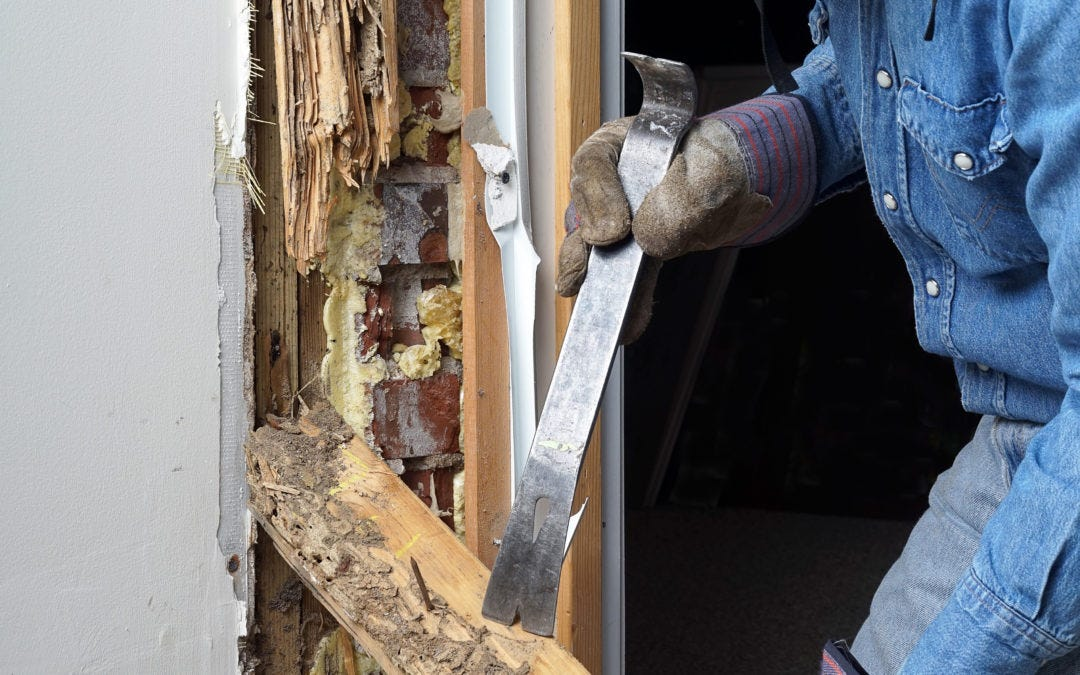
Termites rarely make a grand entrance. Instead, they leave subtle clues mud tubes on walls, piles of discarded wings, or tiny holes in wood. These signs may look harmless at first glance, but they often signal a much larger hidden problem.

Structural Warning Signs

Have you noticed doors sticking or floors sagging unexpectedly? These aren’t always construction issues. Hollow-sounding wood or bubbling paint can indicate internal termite damage already in progress.

The Role of a Termite Control Company
The Role of a Termite Control Company

Inspection and Assessment

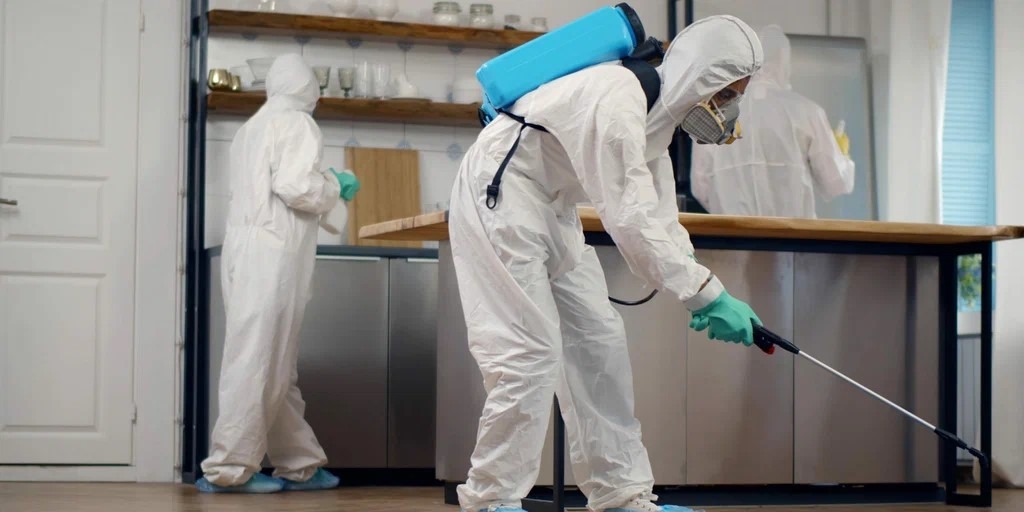
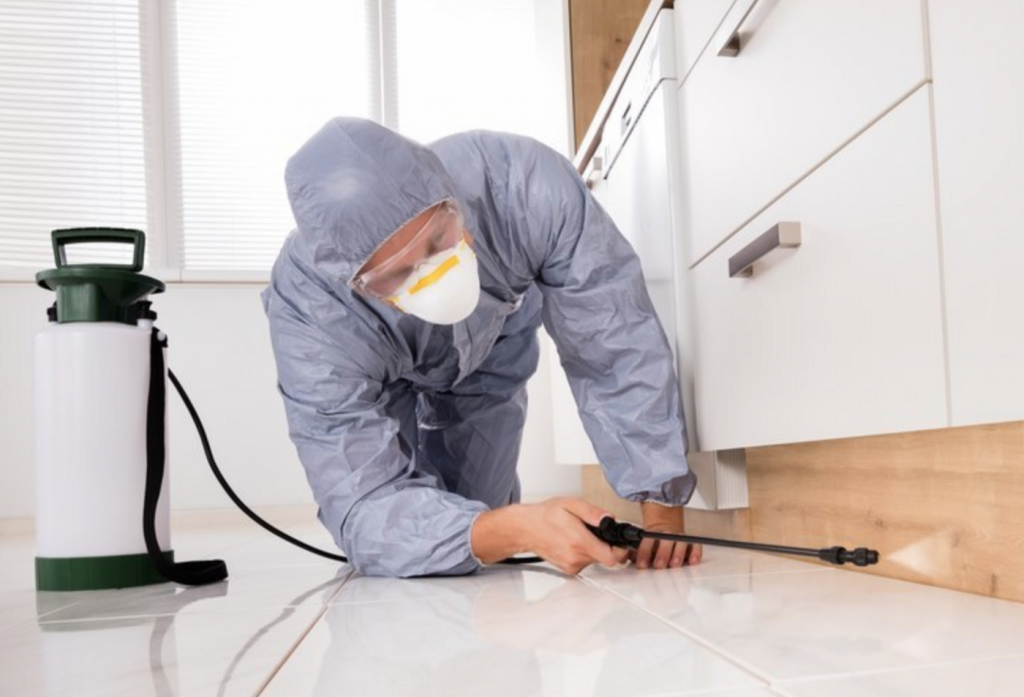
A termite control company pembroke pines begins with a thorough inspection. Professionals carefully examine foundations, crawl spaces, wooden beams, and even outdoor areas that may invite termites. It’s not just a quick look it’s a detailed evaluation.

Risk Identification

Beyond spotting active termites, experts identify conditions that attract them. Moisture buildup, poor drainage, and wood-to-soil contact are all red flags. Addressing these risks early can stop infestations before they even begin.

Advanced Inspection Techniques

Moisture Detection Tools

Since termites thrive in damp conditions, moisture meters are used to detect hidden wet areas. These tools help pinpoint vulnerable spots that might otherwise go unnoticed.

Infrared Technology

Thermal imaging adds another layer of precision. By detecting temperature differences within walls and structures, professionals can locate termite activity without causing damage like seeing beneath the surface without breaking it open.

Preventive Measures for Wooden Structures

Soil Treatment Methods

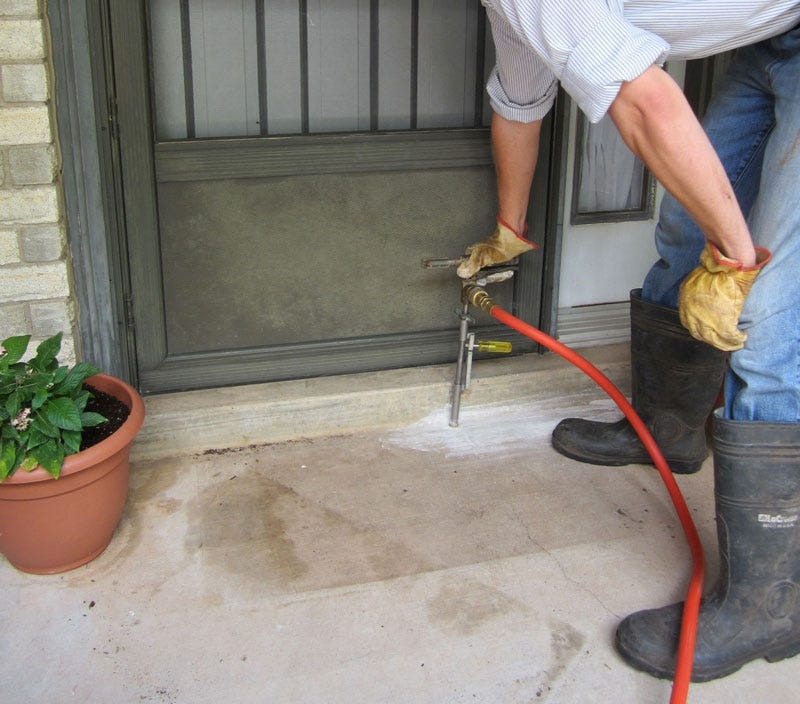
Soil treatment creates a protective shield around a building. By applying termiticides into the ground, experts block subterranean termites from entering the structure in the first place.

Wood Treatment Applications

Surface Treatments

Surface treatments involve applying protective solutions directly onto wood. These treatments act as a deterrent, making wood less appealing to termites.

Injection Treatments

For deeper infestations, injection treatments deliver termiticides directly into wooden structures. This method targets termites already inside and prevents further spread.

Chemical Barriers Explained

Liquid Termiticides

Liquid termiticides form a continuous barrier in the soil around a structure. When termites attempt to cross it, they are eliminated before reaching the wood.

Non-Repellent Solutions

Non-repellent treatments are particularly effective because termites can’t detect them. They unknowingly carry the substance back to their colony, spreading it throughout the population and eliminating the source.

Baiting Systems for Long-Term Protection

How Bait Stations Work

Bait stations are strategically placed around a property. Termites consume the bait and share it with the colony, gradually leading to its collapse. It’s a slow but highly effective approach.

Monitoring and Maintenance

Ongoing monitoring is essential for success. Companies like EntoLogic Pest Solutions regularly inspect and maintain bait stations, ensuring consistent protection over time. 

Structural Modifications to Reduce Risk

Eliminating Moisture Sources

Leaky pipes, standing water, and clogged gutters create the perfect environment for termites. Fixing these issues reduces the chances of infestation significantly.

Improving Ventilation

Proper airflow in crawl spaces and attics keeps humidity levels low. Since termites thrive in moist conditions, better ventilation makes the environment less inviting.

Eco-Friendly Termite Control Methods

Biological Solutions

Some modern approaches use natural organisms or biological agents to control termite populations. These methods reduce reliance on harsh chemicals.

Low-Toxicity Treatments

Low-toxicity solutions provide effective protection while minimizing environmental impact. They are designed to be safer for both humans and pets.

Importance of Regular Maintenance

Scheduled Inspections

Even after treatment, regular inspections are crucial. Termites can return if conditions become favorable again, so ongoing vigilance is key.

Long-Term Protection Plans

A long-term strategy ensures continuous defense. Rather than reacting to infestations, maintenance plans focus on prevention and early detection.

Role of Professional Expertise

Knowledge of Local Termite Behavior

A termite control company in pembroke pines understands local termite species, climate conditions, and environmental factors. This knowledge allows for more effective and targeted solutions.

Customized Protection Strategies

Every structure is different. Professionals design customized plans based on specific risks, ensuring the most efficient protection possible.

Common Mistakes in Termite Prevention

Ignoring Early Signs

One of the biggest mistakes is overlooking early warning signs. By the time damage becomes visible, the infestation is often well-established.

DIY Limitations

DIY treatments may seem convenient, but they rarely address the full scope of the problem. Without proper tools and expertise, termites often return.

EntoLogic Pest Solutions Serving the Cooper City Community and Beyond in Pembroke Pines

EntoLogic Pest Solutions is dedicated to serving the diverse needs of the local community of Pembroke Pines, including individuals residing in neighbourhoods like Cooper City. With its convenient location near landmarks such as the University Mitsubishi and major intersections like S University Dr and SW 52nd PI (coordinates: 26.055236, -80.2524731), we offer termite control services.

Get termite control at Cooper City Now

Call Us or Contact Us: (954) 955-3031 

Navigate from Cooper City  to EntoLogic Pest Solutions Now

Protecting wooden structures from termites requires more than a one-time fix; it demands a strategic, ongoing approach. From detailed inspections and advanced detection tools to preventive treatments and structural improvements, a professional termite control service provides comprehensive protection. With the right expertise and consistent maintenance, wooden structures can remain strong, safe, and termite-free for years to come.

Protecting Your Investment: The Financial Impact of Termites and the Value of Professional Control

The Scale of the Problem:

  • $5 Billion: Estimated annual U.S. spending on termite control and repair.
  • $30 Billion: Estimated annual damage to crops and man-made structures in the U.S. by termites and similar pests.
  • 600,000: Number of homes in the U.S. damaged by termites each year.

The Cost of Neglect:

  • $3,000: Average cost for a homeowner to repair termite damage.
  • $1,000 – $10,000: Typical range for termite damage repair costs.
  • Up to $37,500: Potential cost for major structural repairs due to extensive termite damage.

Why Professional Termite Control is Crucial:

  • Early Detection: Termite colonies can take over five years to establish and cause significant damage. Professionals can identify infestations before they become catastrophic.
  • Comprehensive Treatment: Effective control requires specialized knowledge and products to eliminate colonies and prevent re-infestation.
  • Structural Integrity: Preventing extensive damage saves homeowners from costly repairs and potential demolition.
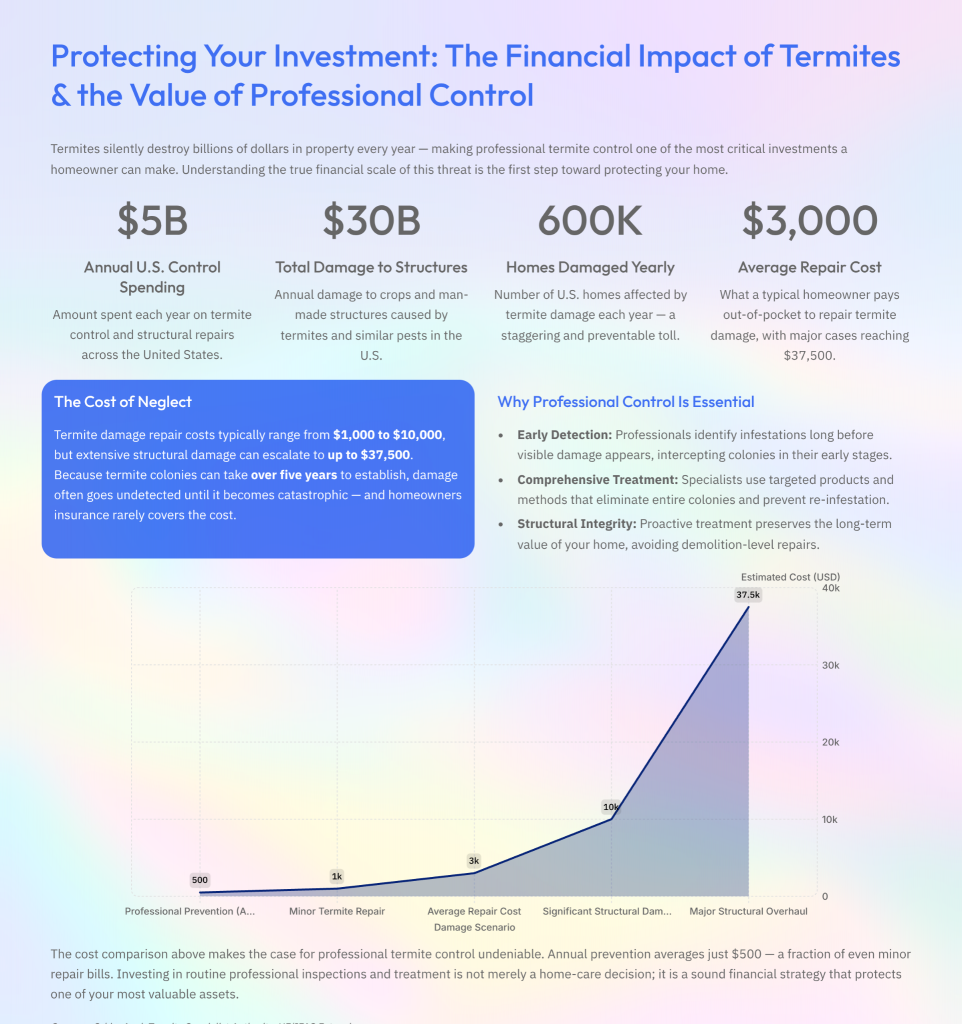
Protecting Your Investment: The Financial Impact of Termites and the Value of Professional Control

Sources: Orkin, Angi, Termite Specialist Authority, UF/IFAS Extension

FAQs

1. How often should termite inspections be conducted?
At least once a year, though high-risk environments may require more frequent checks.

2. What is the most effective termite prevention method?
A combination of soil treatment, baiting systems, and regular inspections offers the best results.

3. Are eco-friendly termite treatments effective?
Yes, modern eco-friendly solutions are designed to be both safe and highly effective.

4. Can termites return after treatment?
Yes, which is why ongoing monitoring and maintenance are essential.

5. Why is professional termite control more reliable than DIY methods?
Professionals use advanced tools, targeted treatments, and long-term strategies that address both current infestations and future risks.
Categories
Uncategorized

How Do Termite Control Services Prevent Future Infestations in Homes?

How Do Termite Control Services Prevent Future Infestations in Homes?

Understanding the Threat of Termites

Termites are often described as silent destroyers, and that label is not exaggerated. They quietly feed on cellulose-based materials like wood, compromising the integrity of a home over time. What makes them particularly concerning is not just their appetite, but their ability to remain unnoticed until the damage becomes severe.

Why Termites Are Hard to Detect

Termites don’t announce their presence. They operate behind walls, under flooring, and within wooden structures. Unlike ants or rodents, they rarely emerge into visible spaces. This hidden activity allows infestations to grow undetected for months or even years, making early prevention strategies critical.

Types of Termites That Invade Homes

Different termite species behave in different ways. Subterranean termites live in soil and build mud tubes to access homes. Drywood termites infest dry wood and don’t require soil contact. Dampwood termites prefer high-moisture environments. Each type requires a distinct preventive approach, which is why generalized solutions often fall short.

The Importance of Professional Termite Control

Professional termite control services are designed not only to eliminate active infestations but to create barriers against future invasions. For instance, termite control services pembroke pines focus heavily on long-term protection strategies rather than short-term fixes.

Limitations of DIY Termite Solutions

DIY termite treatments often address only the visible signs of infestation. It’s similar to patching a leaking pipe without fixing the source temporary relief without real resolution. Without targeting the colony, termites can quickly re-establish themselves.

Role of Expertise in Long-Term Prevention

Professionals, including teams like EntoLogic Pest Solutions, rely on in-depth knowledge of termite biology and environmental behavior. This allows them to predict infestation patterns and implement preventive measures that are both proactive and sustainable.

Inspection: The First Step Toward Prevention

Inspection: The First Step Toward Prevention

Effective termite prevention begins with a detailed inspection. Without understanding the extent of vulnerability, even the best treatments can miss the mark.

Comprehensive Property Assessments

A thorough inspection includes examining interior and exterior spaces such as crawl areas, basements, foundations, and attics. Inspectors look for subtle signs like wood damage, mud tubes, and moisture accumulation.

Identifying Entry Points and Risk Areas

Small cracks in foundations, gaps around utility lines, and areas where wood meets soil are common entry points. Identifying these weak spots early allows for targeted interventions that stop termites before they enter.

Customized Treatment Plans

No two homes face the exact same termite risk. A customized plan ensures that prevention strategies align with the specific needs of a property.

Tailoring Solutions to Infestation Severity

Light infestations may require localized treatments, while more severe cases demand comprehensive approaches involving soil treatments and baiting systems. Tailoring ensures efficiency and minimizes unnecessary interventions.

Environmental and Structural Considerations

Climate, humidity levels, building materials, and landscaping all influence termite activity. A well-designed plan considers these variables to create a more durable defense system.

Chemical Barriers and Soil Treatments

Chemical treatments remain one of the most effective ways to prevent termite entry.

How Termiticides Work

Termiticides are applied to the soil surrounding a home, forming a protective barrier. Some repel termites, while others are undetectable, allowing termites to pass through and carry the substance back to their colony.

Long-Term Effectiveness of Soil Treatments

When applied correctly, soil treatments can provide protection for several years. They act as a continuous shield, reducing the likelihood of new infestations.

Baiting Systems for Ongoing Protection

Baiting systems offer a dynamic approach to termite control, combining detection with elimination.

How Termite Baits Eliminate Colonies

Bait stations contain substances that disrupt termite growth and reproduction. Workers carry the bait back to the colony, gradually eliminating the entire population.

Monitoring and Maintenance of Bait Stations

Regular monitoring ensures that bait stations remain active and effective. Adjustments are made based on termite activity, ensuring consistent protection over time.

Structural Modifications to Prevent Infestations

Prevention isn’t only chemical it’s also structural. Making a home less attractive to termites is a powerful strategy.

Reducing Moisture and Wood Contact

Termites thrive in damp conditions. Fixing leaks, improving ventilation, and ensuring wood does not directly contact soil can significantly reduce risk.

Sealing Cracks and Entry Points

Sealing even the smallest openings prevents termites from gaining access. This simple step acts as a frontline defense against infestation.

Regular Monitoring and Follow-Ups

Consistency plays a crucial role in long-term termite prevention.

Scheduled Inspections

Routine inspections help identify new risks and ensure existing treatments remain effective.

Early Detection Benefits

Catching termite activity early reduces damage and simplifies treatment, saving both time and resources.

Preventive Education for Homeowners

Homeowners play an essential role in maintaining a termite-free environment.

Daily Habits That Reduce Risk

Simple actions like reducing indoor humidity, storing wood properly, and maintaining clean gutters can make a significant difference. Ant Pest Control also had a major inspection in this regard.

Landscaping and Yard Maintenance Tips

Proper yard maintenance, including trimming plants and ensuring proper drainage, minimizes conditions that attract termites.

Use of Advanced Technologies

Modern termite control incorporates advanced tools to improve detection and prevention.

Infrared and Moisture Detection Tools

These technologies help identify hidden termite activity without damaging structures.

Data-Driven Pest Management

By analyzing environmental data and infestation trends, professionals can anticipate risks and act before problems arise.

Eco-Friendly and Sustainable Approaches

Sustainability is becoming an important aspect of pest control.

Low-Toxicity Treatments

Modern solutions often use low-toxicity chemicals that are safer for humans and pets while still effective against termites.

Integrated Pest Management (IPM)

IPM combines chemical, biological, and structural methods to create a balanced and environmentally responsible approach.

The Role of Climate and Geography

Environmental conditions significantly influence termite behavior.

Why Certain Areas Are More Prone

Warm and humid climates provide ideal conditions for termites to thrive. This makes proactive prevention especially important in such regions.

Why Consistency Matters in Termite Control

Termite prevention is not a one-time effort it requires ongoing attention.

Long-Term Protection vs One-Time Treatment

While a single treatment may eliminate an existing colony, consistent monitoring and maintenance are necessary to prevent future infestations.

EntoLogic Pest Solutions Serving the Cooper City Community and Beyond in Pembroke Pines

EntoLogic Pest Solutions is dedicated to serving the diverse needs of the local community of Pembroke Pines, including individuals residing in neighbourhoods like Cooper City. With its convenient location near landmarks such as the University Mitsubishi and major intersections like S University Dr and SW 52nd PI (coordinates: 26.050736, -80.2524731), we offer termite control services.

Get termite control services at Cooper City Now

Call Us or Contact Us: (954) 955-3031 

Navigate from Cooper City  to EntoLogic Pest Solutions Now

Preventing termite infestations requires a comprehensive and layered approach. From detailed inspections and customized treatment plans to structural improvements and ongoing monitoring, every step plays a role in long-term protection. Informational strategies used in termite control services in pembroke pines highlight the importance of proactive care rather than reactive solutions. With the expertise of professionals like EntoLogic Pest Solutions, homeowners can better understand how to safeguard their properties against future infestations through consistent, informed practices.

How Do Termite Control Services Prevent Future Infestations in Homes?

The Growing Threat and Industry Response

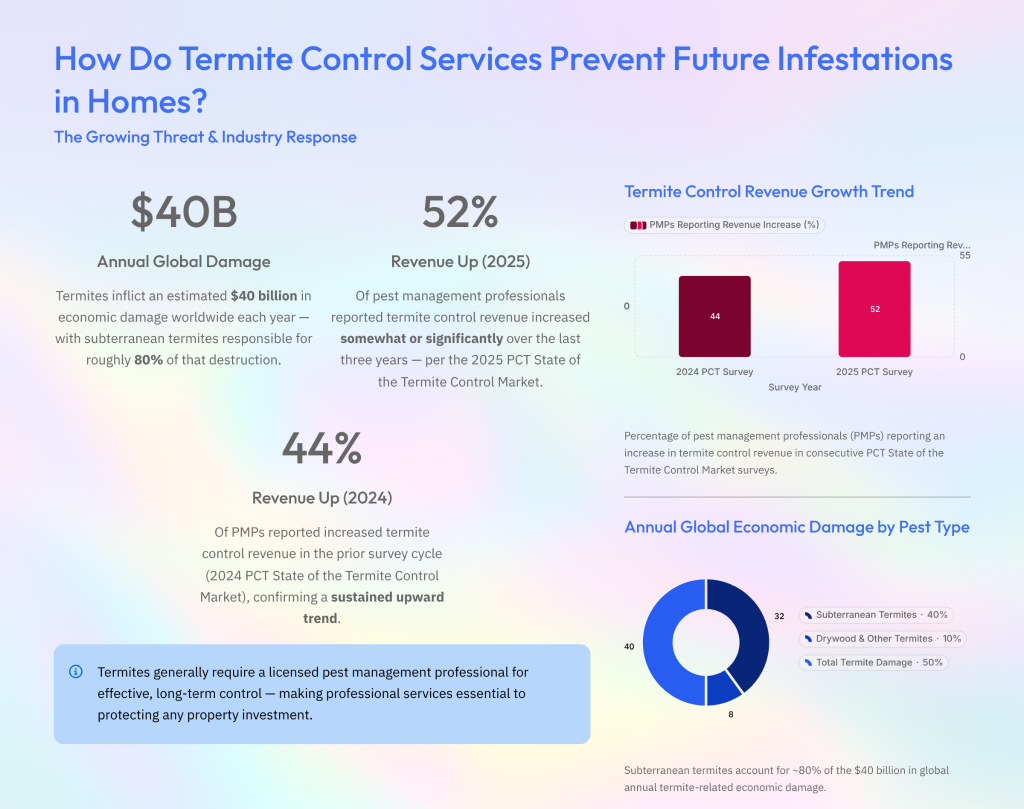
  • Global Economic Impact: Termites cause an estimated $40 billion in economic damage annually, with subterranean termites accounting for about 80% of this impact.
    • [Chart: A bar graph showing the global economic impact of termites, with a prominent bar for $40 billion.]
  • Revenue Growth in Termite Control: Despite housing market fluctuations, the termite control market is experiencing significant growth.
    • 52% of pest management professionals (PMPs) reported that termite control revenue increased somewhat or significantly over the last three years (2025 PCT State of the Termite Control Market).
    • 44% of PMPs reported an increase in revenue from termite control services in the past three years (2024 PCT State of the Termite Control Market).
    • [Chart: A line graph showing an upward trend in termite control revenue, with markers at 52% and 44% for recent years.]
  • Professional Control is Key: Termites generally require a pest management professional for effective control, highlighting the essential role of these services in preventing future infestations and protecting property investments.

Sources: giecdn.blob.core.windows.net, edis.ifas.ufl.edu

FAQs

1. How often should a home be inspected for termites?

Homes should typically be inspected once a year, though high-risk areas may benefit from more frequent checks.

2. Can termites return after treatment?

Yes, without proper preventive measures and monitoring, termites can return even after treatment.

3. Are termite bait systems safe for households?

Most bait systems are designed to be secure and low-risk, making them safe for use around families and pets.

4. What conditions attract termites the most?

Moisture, wood-to-soil contact, and untreated wooden structures are primary attractants.

5. How long do termite prevention treatments last?

Depending on the method, treatments can last several years, especially when combined with regular maintenance.

Categories
Uncategorized

How Does Professional Ant Pest Control Ensure Long Term Prevention?

How Does Professional Ant Pest Control Ensure Long Term Prevention?

Why Ants Are More Than Just a Nuisance

At first glance, ants seem harmless, just tiny invaders marching across your kitchen counter. But look closer, and you’ll realize they’re far more than a minor inconvenience. Ants can contaminate food, damage structures, and in some cases, even cause painful bites. The real issue? They rarely travel alone.

The Hidden Complexity of Ant Colonies

An ant problem is never just about the ants you see. It’s about the thousands or even millions you don’t. Colonies operate like well-organized systems, with roles, communication networks, and survival strategies that make them incredibly resilient. That’s why simple DIY fixes often fall short, and why ant pest control pembroke pines requires a more strategic approach.

Understanding Professional Ant Pest Control

What Makes Professional Control Different

Professional ant control isn’t about spraying chemicals and hoping for the best. It’s a systematic process that begins with understanding the infestation and ends with long-term prevention. Experts analyze behavior, identify species, and tailor solutions accordingly.

Key Objectives of Long-Term Prevention

The goal isn’t just elimination, it’s prevention. That means targeting the root of the problem, disrupting colony systems, and ensuring ants don’t return. Think of it as solving the cause, not just treating the symptom.

The Biology of Ants and Why It Matters

The Biology of Ants and Why It Matters

Colony Structure and Behavior

Queen and Worker Roles

At the heart of every colony is the queen, responsible for reproduction. Workers handle everything else finding food, maintaining the nest, and protecting the colony. If the queen survives, the colony survives.

Nesting Habits

Ants nest in a variety of places: soil, walls, wood, and even electrical systems. Their adaptability makes them difficult to locate without proper inspection.

Foraging Patterns and Trails

Ants use pheromone trails to guide others to food sources. This is why you often see them moving in lines. Break the trail, and you disrupt the system but only temporarily unless the colony is addressed.

Common Causes of Ant Infestations

Food Sources and Moisture

Crumbs, spills, and even pet food can attract ants. Moisture from leaks or humidity also creates ideal conditions for nesting.

Structural Entry Points

Tiny cracks, gaps around windows, and poorly sealed doors act as entryways. Ants don’t need much space, just an opportunity. These can also be treated by commercial pest control services.

Inspection and Identification Process

Species Identification

Not all ants behave the same. Some prefer sugary foods, others are drawn to proteins. Identifying the species is crucial for choosing the right treatment.

Locating Nests and Colonies

Finding the nest is often the hardest part. Professionals use advanced techniques to trace trails and locate hidden colonies.

Strategic Treatment Methods

Baiting Systems

Baits are designed to attract ants, which then carry the poison back to the colony. This method targets the entire colony, including the queen.

Non-Repellent Solutions

Unlike traditional sprays, non-repellent treatments allow ants to move freely and spread the solution within the colony, increasing effectiveness.

Barrier Treatments

These create protective zones around structures, preventing ants from entering in the first place.

Importance of Integrated Pest Management (IPM)

Prevention Over Reaction

IPM focuses on long-term solutions by combining multiple strategies. It’s not about quick fixes—it’s about sustainable control.

Environmental Considerations

Modern pest control emphasizes safety, using methods that minimize environmental impact while remaining effective.

Monitoring and Follow-Up

Continuous Assessment

Ant control doesn’t end after treatment. Continuous monitoring ensures that any new activity is detected early.

Adjusting Treatment Plans

If conditions change, so should the strategy. Flexibility is key to maintaining long-term results.

Role of Sanitation and Maintenance

Eliminating Attractants

Keeping spaces clean reduces the chances of infestation. No food, no reason for ants to stay.

Sealing Entry Points

Blocking access points is one of the simplest yet most effective preventive measures.

Climate Influence on Ant Activity

Why Warm Regions Like Pembroke Pines Matter

Warm climates provide ideal conditions for ants to thrive year-round. In places like Pembroke Pines, infestations can occur at any time, making consistent pest management essential. This is why ant pest control in pembroke pines requires a proactive and ongoing approach.

Example Context: EntoLogic Pest Solutions

Approach to Long-Term Ant Prevention

EntoLogic Pest Solutions emphasizes a structured and preventive approach to ant control. By combining inspection, targeted treatments, and continuous monitoring, their methods align with long-term prevention strategies rather than temporary fixes.

Challenges in Long-Term Ant Control

Colony Relocation

When threatened, some ant species relocate their colonies, making them harder to eliminate completely.

Resistance and Reinfestation

Over time, ants can adapt to certain treatments. Additionally, new colonies may form nearby, leading to reinfestation if preventive measures aren’t maintained.

Future Trends in Ant Pest Control

Smart Monitoring Tools

Technology is transforming pest control. Smart systems can detect activity in real time, allowing faster and more precise responses.

Eco-Friendly Innovations

Sustainable solutions are becoming more common, focusing on reducing chemical use while maintaining effectiveness.

EntoLogic Pest Solutions Serving the Cooper City Community and Beyond in Pembroke Pines

EntoLogic Pest Solutions is dedicated to serving the diverse needs of the local community of Pembroke Pines, including individuals residing in neighbourhoods like Cooper City Fl. With its convenient location near landmarks such as the Denny’s Restaurant and major intersections like Private Rd and SW 82nd Ave (coordinates: 26.050736, -80.2524731), we offer ant pest control services.

Get ant pest control services Services at Cooper City Now

Call Us or Contact Us: (954) 955-3031 

Navigate from Cooper City  to EntoLogic Pest Solutions Now

Professional ant pest control goes far beyond eliminating visible ants. It’s about understanding their behavior, targeting their colonies, and creating conditions that prevent their return. Through strategies like Integrated Pest Management, continuous monitoring, and environmental adjustments, long-term prevention becomes achievable.

In regions with favorable climates for pests, maintaining this level of control is even more critical. A structured and informed approach ensures that infestations are not only managed but prevented from recurring.

How Does Professional Ant Pest Control Ensure Long-Term Prevention?

The Data Speaks: Professional Solutions Outperform DIY

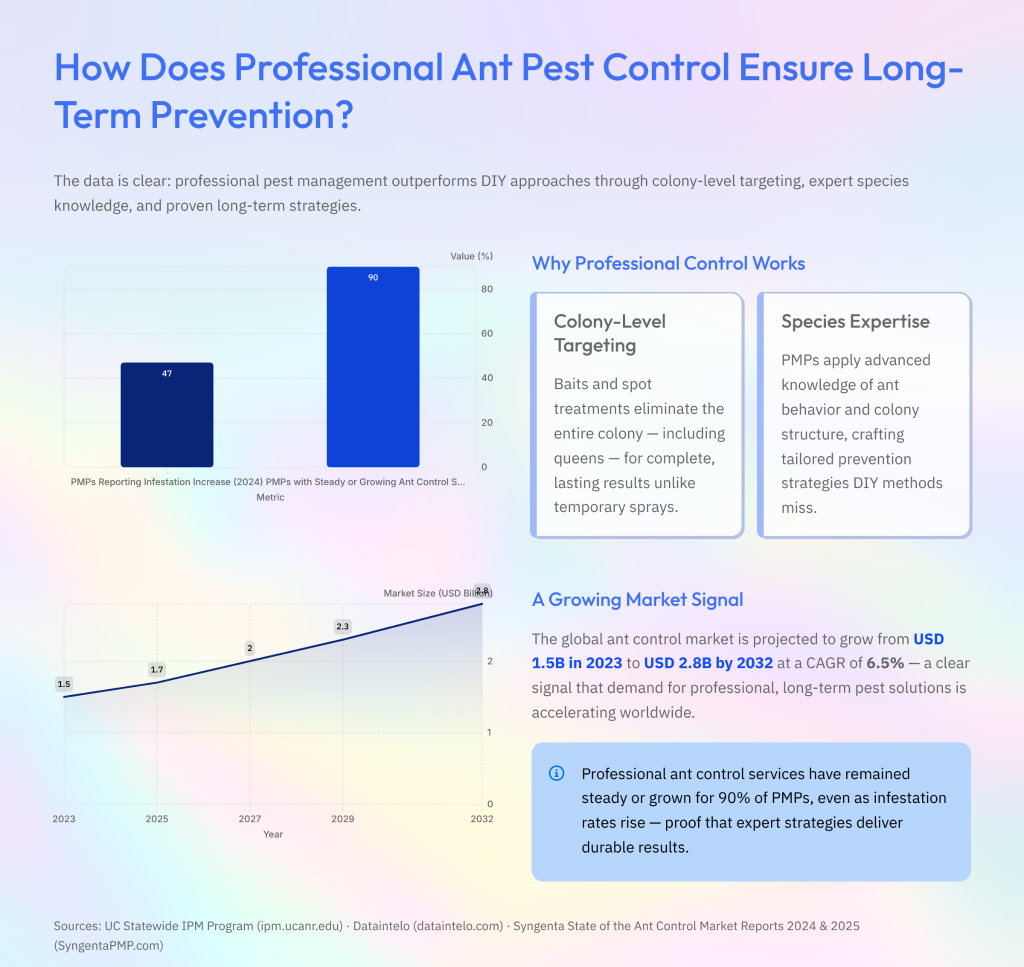
  • Significant Infestation Reduction: Professional pest management professionals (PMPs) report that 47% saw an increase in ant infestations in their market area in 2024, yet 90% of PMPs’ ant control services have remained steady or grown, indicating effective long-term control strategies are in place. (Source: Syngenta State of the Ant Control Market Reports 2024 & 2025)
  • Economic Impact: The global ant control market is projected to grow from USD 1.5 billion in 2023 to approximately USD 2.8 billion by 2032, at a CAGR of 6.5%, demonstrating a strong demand for professional, long-term solutions. (Source: Dataintelo Ant Control Market Report)
  • Targeted, Colony-Level Control: Professional services emphasize baits and spot treatments that target the entire colony, including queens, leading to more complete and lasting control, unlike temporary indoor sprays. (Source: UC Statewide IPM Program)
  • Expertise in Species and Behavior: PMPs utilize advanced knowledge of ant species’ colony idiosyncrasies and behaviors to implement tailored, long-term prevention strategies, a level of detail often missed in DIY approaches. (Source: Syngenta State of the Ant Control Market Report 2024)
How Does Professional Ant Pest Control Ensure Long-Term Prevention?

Sources: UC Statewide IPM Program (ipm.ucanr.edu), Dataintelo (dataintelo.com), Syngenta (SyngentaPMP.com)

FAQs

1. Why do ants keep coming back after treatment?

Ants often return if the colony isn’t fully eliminated or if attractants remain in the environment.

2. How long does professional ant control last?

Results vary, but long-term prevention depends on continuous monitoring and maintenance.

3. Are bait systems more effective than sprays?

Yes, because baits target the entire colony rather than just the visible ants.

4. What role does cleanliness play in ant prevention?

Clean environments reduce food sources, making spaces less attractive to ants.

5. Can climate affect ant infestations?

Absolutely. Warm and humid climates support year-round ant activity, increasing the need for consistent control measures.

Categories
Uncategorized

What Role Do Commercial Pest Control Services Play in Food Safety Management?

What Role Do Commercial Pest Control Services Play in Food Safety Management?

Introduction to Food Safety and Pest Control

Why Food Safety Is a Critical Concern

Food safety is the backbone of any operation that handles, prepares, or distributes food. It’s not just about cleanliness it’s about preventing invisible risks that can cause serious health consequences. Contaminated food can lead to outbreaks, legal complications, and irreversible damage to a business’s reputation. In industries where trust is everything, even a small lapse can have wide-reaching consequences.

The Overlooked Threat: Pests

While hygiene protocols often focus on surfaces and storage, pests remain one of the most underestimated threats. Rodents, insects, and birds don’t just exist in the background, they actively compromise food safety. They invade unnoticed, contaminate silently, and multiply quickly. This is where commercial pest control services pembroke pines become essential in maintaining a controlled and safe environment.

Understanding Commercial Pest Control Services

Understanding Commercial Pest Control Services

What Are Commercial Pest Control Services?

Commercial pest control services in pembroke pines are structured systems designed specifically for businesses. Unlike basic treatments, these services focus on long-term prevention, compliance with regulations, and detailed monitoring. They are tailored to environments like restaurants, warehouses, and food processing units where the stakes are significantly higher.

Key Features of Professional Pest Management

Professional pest management includes regular inspections, customized strategies, and continuous monitoring. It also involves detailed documentation, which is critical during audits. These services go beyond eliminating pests, they create a sustainable system to keep them out permanently.

The Link Between Pests and Food Contamination

Types of Pests Common in Food Environments

Rodents

Rodents are among the most destructive pests in food environments. They chew through packaging, leave droppings, and spread harmful bacteria. Their ability to squeeze through tiny openings makes them particularly difficult to control without professional help.

Insects

Insects such as cockroaches, flies, and ants are highly mobile and can quickly spread contamination. They move between waste areas and food surfaces, carrying pathogens with them.

Birds

Birds often nest in storage or roofing areas. Their droppings can contaminate food and surfaces, introducing bacteria and parasites into the environment.

How Pests Spread Diseases

Pests act as carriers of disease-causing organisms. They travel through unsanitary areas and transfer pathogens onto food, equipment, and surfaces. This cross-contamination is one of the leading causes of foodborne illnesses.

Regulatory Standards and Compliance

Food Safety Regulations and Pest Control

Food safety regulations require strict pest management protocols. Systems like HACCP emphasize identifying and controlling hazards, including pests. Failure to meet these standards can result in penalties, closures, or legal action.

Role of Inspections and Audits

Inspections and audits are essential for ensuring compliance. Pest control reports provide documented evidence that a facility is actively managing risks, which is crucial during regulatory evaluations.

Preventive Pest Management Strategies

Integrated Pest Management (IPM)

Integrated Pest Management is a proactive approach that focuses on prevention rather than reaction. It combines multiple strategies biological, physical, and chemical to control pests effectively while minimizing risks.

Monitoring and Early Detection

Early detection is key to preventing infestations. Monitoring tools such as traps and sensors help identify pest activity before it becomes a larger issue.

Sanitation and Structural Maintenance

Maintaining cleanliness and repairing structural gaps significantly reduces pest access. Proper waste management and sealed entry points are simple yet powerful preventive measures.

Role of Commercial Pest Control Services in Risk Reduction

Identifying Vulnerabilities

Professionals assess the facility to identify weak points such as cracks, moisture buildup, or improper storage practices. These vulnerabilities are often the root cause of infestations.

Implementing Control Measures

Once risks are identified, targeted measures are implemented. These may include sealing entry points, installing traps, and applying safe treatments where necessary.

Documentation and Reporting

Detailed documentation ensures transparency and accountability. It also helps track pest activity trends and measure the effectiveness of control strategies over time.

Impact on Business Reputation and Consumer Trust

Public Health Implications

Pest-related contamination can lead to serious health risks. Even a single incident can result in widespread consequences, affecting both consumers and the business.

Brand Protection

In the digital age, reputation spreads quickly. A single pest sighting can lead to negative reviews and loss of customer trust. Effective pest control acts as a safeguard for brand integrity.

Technology and Innovation in Pest Control

Smart Monitoring Systems

Modern pest control uses digital tools to monitor activity in real time. These systems provide accurate data, allowing quicker and more effective responses.

Eco-Friendly Pest Solutions

There is a growing emphasis on environmentally friendly pest control methods. These solutions reduce chemical usage while maintaining high levels of effectiveness.

Case Context: Commercial Pest Control Services Pembroke Pines

Local Challenges in Pest Management

Pembroke Pines presents unique challenges due to its warm climate and humidity. These conditions create an ideal environment for pests to thrive year-round, making consistent pest management essential.

Example: EntoLogic Pest Solutions Approach

EntoLogic Pest Solutions focuses on preventive strategies tailored to food safety environments. Their approach includes continuous monitoring, compliance support, and customized plans that align with industry standards. This structured method highlights how professional services contribute directly to safer food handling practices.

Challenges in Pest Control Implementation

Resistance and Adaptation

Pests can develop resistance to certain treatments over time. This requires ongoing adjustments in pest control strategies to remain effective.

Environmental Factors

External factors such as weather, building design, and surrounding areas can influence pest behavior. Effective pest management must adapt to these changing conditions.

Future Trends in Pest Control and Food Safety

Automation and AI

Artificial intelligence is beginning to play a role in pest control by predicting activity patterns and optimizing treatment strategies.

Sustainable Practices

Sustainability is becoming a priority, with a shift toward methods that balance effectiveness with environmental responsibility.

EntoLogic Pest Solutions Serving the Cooper City Community and Beyond in Pembroke Pines

EntoLogic Pest Solutions is dedicated to serving the diverse needs of the local community of Pembroke Pines, including individuals residing in neighbourhoods like Cooper City. With its convenient location near landmarks such as the JW Pastry and major intersections like Privtate Rd and SW 82nd Ave (coordinates: 26.050736, -80.2524731), we offer commercial pest control services.

Get commercial pest control services Services at Cooper City Now

Call Us or Contact Us: (954) 955-3031 

Navigate from Cooper City  to EntoLogic Pest Solutions Now

Commercial pest control services play a fundamental role in food safety management. They help prevent contamination, ensure compliance, and protect public health. By addressing risks proactively and maintaining strict control measures, these services support the integrity of food systems.

In environments like Pembroke Pines, where pest activity is naturally high, integrating professional pest management into food safety strategies is not optional, it is essential. Businesses that prioritize this approach are better equipped to maintain standards, reduce risks, and build long-term trust.

What Role Do Commercial Pest Control Services Play in Food Safety Management?

[image] Split screen: Left side shows a magnified image of a cockroach on a food preparation surface. Right side shows a clean, professional kitchen with a pest control technician inspecting equipment. Text overlay on the right side: “Proactive Prevention: The Key to Food Safety.”

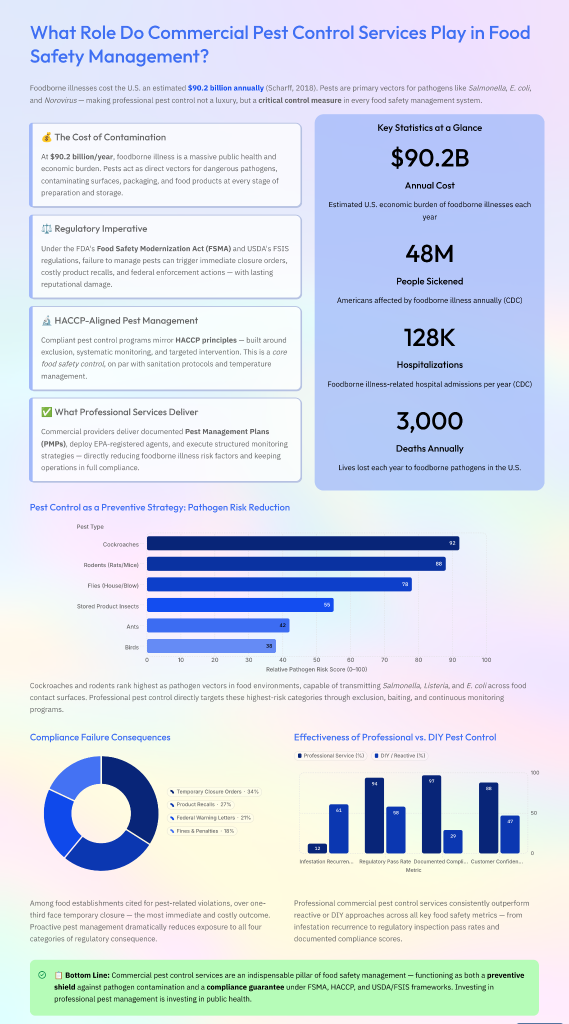
  • The High Cost of Contamination: Foodborne illnesses cost the U.S. an estimated $90.2 billion annually (Scharff, 2018), with pathogens like Salmonella, E. coli, and Norovirus being major contributors. Pests are significant vectors for these pathogens.
  • Regulatory Imperative: Food service establishments are high-risk categories. Failure to manage pests can lead to immediate closure orders, product recalls, and federal enforcement actions under frameworks like the FDA’s Food Safety Modernization Act (FSMA) and USDA’s FSIS regulations.
  • Pest Management as a Critical Control Point: Compliant pest control programs are structured around exclusion, monitoring, and intervention, mirroring HACCP principles. This is not discretionary but a core food safety control measure alongside sanitation and temperature management.
  • Impact of Professional Services: Commercial pest control services provide documented Pest Management Plans (PMPs), utilize EPA-registered agents, and implement systematic monitoring and intervention strategies, directly reducing the occurrence of foodborne illness risk factors and ensuring compliance.
What Role Do Commercial Pest Control Services Play in Food Safety Management?

Sources: USDA, FDA, Economic Research Service, National Pest Control Authority.

FAQs

1. Why are pests considered a major risk in food safety?

Pests carry harmful bacteria and can easily contaminate food and surfaces, leading to serious health risks.

2. What is Integrated Pest Management (IPM)?

It is a preventive approach that combines monitoring, sanitation, and targeted treatments to control pests effectively.

3. How often should pest control services be conducted in commercial spaces?

The frequency depends on the facility, but regular inspections—typically monthly—are recommended.

4. Do pest control services help with compliance?

Yes, they provide documentation and ensure that pest management practices meet regulatory standards.

5. Why is pest control more critical in warm climates?

Warm and humid conditions allow pests to reproduce and survive more easily, increasing the risk of infestations.