

How Does Integrated Pest Management (IPM) Improve Bed Bug Control Outcomes?
Bed bug control can be challenging because these insects are excellent at hiding, reproducing, and avoiding detection. Simply treating the most obvious areas may not address the entire infestation. This is where Integrated Pest Management, commonly called IPM, becomes useful.
IPM combines inspection, monitoring, physical controls, environmental changes, and carefully selected treatments instead of relying on one method. For people researching bed bug control Pembroke Pines, understanding this approach can explain why successful control often requires more than a single application.
What Is Integrated Pest Management for Bed Bugs?
Integrated Pest Management is a structured approach to pest control that uses several compatible methods to identify, manage, and monitor a pest problem. With bed bugs, the process starts with accurate identification and a detailed inspection.
Rather than immediately treating every possible surface, an IPM strategy asks a more important question: Where are the bed bugs actually hiding, and what conditions are allowing them to remain there?
The answer guides the next steps.
Why IPM Is Different From Conventional Bed Bug Treatment
A conventional approach may focus heavily on applying a pesticide. While insecticides can play an important role, bed bugs can hide in cracks, furniture joints, wall voids, electrical areas, and other protected spaces.
IPM takes a broader view. It considers the biology and behavior of the pest, the condition of the environment, treatment history, and evidence found during inspections.
The Main Goal of an IPM Approach
The goal is not simply to kill visible insects. It is to reduce the infestation as thoroughly as practical and prevent surviving bed bugs from continuing the cycle.
That means finding harborages, reducing hiding opportunities, monitoring activity, applying appropriate controls, and checking whether the situation is actually improving.
Why Bed Bugs Are Difficult to Control
Bed bugs are small, flat insects that can occupy surprisingly narrow spaces. Their size and behavior allow them to remain unnoticed even when people are sleeping nearby.
A room may appear clean and organized while still containing an active infestation. Cleanliness alone does not determine whether bed bugs are present.
Hidden Harborages Make Detection Difficult
Bed bugs often stay close to areas where people rest. Common hiding locations can include mattress seams, bed frames, headboards, furniture joints, cracks, and other protected spaces.
As an infestation develops, however, insects may spread farther from the original hiding site. This makes a surface-level inspection unreliable.
Bed Bugs Can Survive Without Frequent Feeding
Bed bugs feed on blood, but they do not need to feed continuously. Their ability to survive between meals can make control more complicated.
A vacant room, for example, does not necessarily mean an infestation has disappeared. Some insects may remain hidden until suitable feeding opportunities return.
Why Surviving Bugs Can Restart an Infestation
Even when visible activity decreases, surviving insects or eggs may remain. If those individuals are not addressed, the infestation can become noticeable again later.
This is one reason IPM emphasizes monitoring and follow-up rather than assuming that reduced activity automatically means complete control.
How Inspection Improves Bed Bug Control Outcomes
Inspection is the foundation of an effective IPM program. Without knowing where evidence is located, control efforts can become unnecessarily broad or miss important areas.
A detailed inspection creates a map of the infestation.
Identifying Active Infestation Sites
Inspectors may examine sleeping areas, furniture, seams, cracks, baseboards, and other potential harborages. The purpose is to determine where bed bugs are concentrated and whether they have moved into surrounding areas.
The information gathered helps determine which control methods make sense for the situation.
Finding Eggs, Nymphs, and Other Evidence
An inspection does not depend only on finding adult bed bugs. Eggs, shed skins, fecal spotting, and other physical evidence can also indicate activity.
Recognizing these signs is important because a room can contain evidence of an infestation even when live insects are difficult to locate.
How Monitoring Supports IPM
Monitoring provides information that a single inspection cannot. It helps determine whether bed bug activity is declining, continuing, or appearing in new locations.
Using Interceptors and Regular Inspections
Bed bug interceptors can be placed beneath suitable furniture legs to help detect movement between the floor and furniture. Visual inspections can then supplement monitoring devices.
Together, these methods create a clearer picture of what is happening after treatment.
What Monitoring Can Reveal Over Time
Monitoring may reveal whether activity is becoming less frequent, whether insects remain concentrated in one area, or whether they have moved to another location.
This turns pest control into an ongoing process based on evidence rather than guesswork.
Why Preparation Matters in Bed Bug IPM
Preparation can significantly influence how accessible hiding places are. Poor preparation may leave insects protected behind clutter or personal belongings.
Good preparation does not mean randomly moving everything around. In fact, careless movement can sometimes spread bed bugs.
Reducing Clutter and Hiding Places
Reducing unnecessary clutter can make inspections and treatments more thorough. Items that block access to walls, furniture, or floor areas may prevent control measures from reaching important locations.
The objective is better access, not simply making the room look cleaner.
Managing Bedding, Clothing, and Personal Items
Bedding, clothing, luggage, and other belongings should be handled carefully when bed bugs are suspected. Moving potentially infested items from one room to another can spread insects.
Depending on the circumstances, laundering, drying, containment, or other approved methods may be recommended for particular items.
How IPM Combines Multiple Control Methods
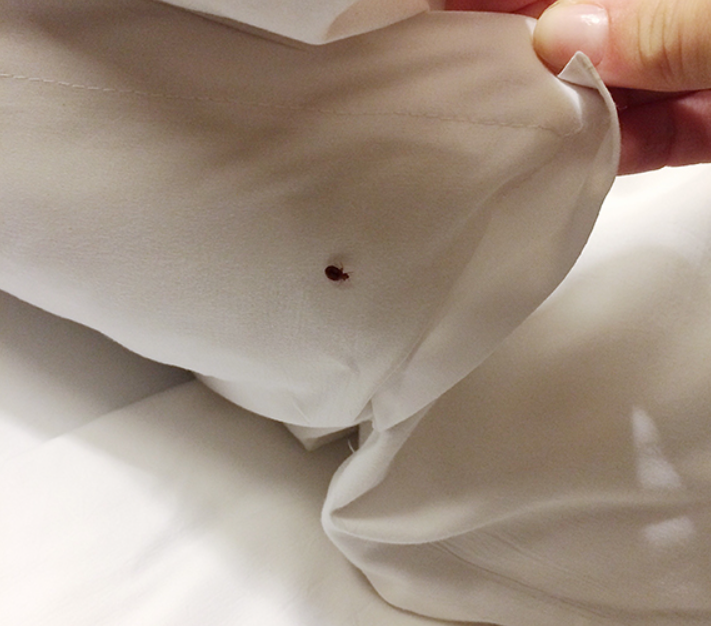
One of the defining features of IPM is the combination of compatible control techniques.
Instead of treating pest control like a single tool, think of it as a toolbox. Different tools address different parts of the problem.
Heat and Temperature-Based Controls
Heat can be used as part of bed bug management because bed bugs and their eggs are sensitive to sufficiently high temperatures maintained for appropriate periods.
Professional heat treatments require careful control of temperature and exposure. Simply turning up a household thermostat does not provide the same result.
Vacuuming and Physical Removal
Vacuuming can physically remove bed bugs and debris from accessible areas. It can be useful as one component of a broader strategy.
However, vacuuming alone generally does not address every hidden insect or egg, particularly when pests are located inside inaccessible harborages.
Targeted Insecticide Applications
Insecticides can be valuable when selected and applied appropriately. IPM favors targeted applications based on inspection findings rather than unnecessary treatment of every surface.
Product selection, application technique, resistance considerations, and label directions all matter.
How IPM Helps Reduce Treatment Failures
Bed bug control can fail when important parts of the infestation are overlooked. IPM addresses this problem by connecting inspection, treatment, and monitoring.
Addressing the Entire Infestation Instead of One Area
Treating only a mattress when bed bugs are also present in the frame, nearby furniture, or surrounding cracks leaves potential harborages untouched.
An IPM inspection considers the broader environment so that control efforts are not limited to the most obvious location.
Avoiding Overreliance on a Single Control Method
No single technique is universally appropriate for every infestation. Depending on the circumstances, physical removal, environmental changes, heat, monitoring, and insecticide treatments may work together.
Using several complementary methods can reduce dependence on any one tactic.
The Role of Follow-Up in Bed Bug Management
Bed bug management should be evaluated over time. Follow-up helps determine whether the original control measures produced the expected reduction in activity.
Why One Inspection May Not Be Enough
Eggs may hatch after an initial treatment, and hidden insects may not be detected immediately. Follow-up inspections provide another opportunity to identify remaining activity.
This is especially important when an infestation has been established for an extended period.
When Additional Treatment May Be Necessary
Additional treatment may be considered when monitoring or inspection identifies continued activity. The appropriate response depends on where insects are found, what methods have already been used, and whether preparation or environmental factors are contributing to the problem.
How Residents Can Support an IPM Program
Residents play an important role because their daily actions can either support or interfere with pest management.
Following Preparation and Treatment Instructions
Preparation instructions should be followed carefully. Moving belongings unnecessarily, discarding furniture without a plan, or changing the treatment area can interfere with the control strategy.
Clear communication between residents and pest professionals helps keep the process organized.
Avoiding Actions That Spread Bed Bugs
Moving mattresses, furniture, clothing, or other belongings between rooms can transport bed bugs. Sleeping in a different room may also cause insects to follow a new source of warmth and carbon dioxide.
Keeping potentially affected items contained and following the established management plan can help limit spread.
How IPM Applies to Bed Bug Control in Pembroke Pines
The principles of IPM apply wherever bed bugs are present, including homes, apartments, hotels, offices, and other occupied structures in Pembroke Pines.
When considering bed bug control in Pembroke Pines, the physical characteristics of the property can influence the inspection and management process. Multi-unit buildings, shared walls, furniture placement, and occupant movement can all affect how an infestation develops.
EntoLogic Pest Solutions can be referenced as a local pest management business when researching how professional IPM-based bed bug management may be structured, but the underlying principles of inspection, monitoring, environmental management, and targeted control remain broadly applicable.
Why Local Conditions and Building Layout Matter
A detached home and a multi-unit property may present very different management challenges. In connected buildings, activity can potentially involve neighboring units or shared structural areas.
That makes accurate inspection and communication particularly important when determining the extent of an infestation.
What Makes an IPM Strategy More Effective?
An IPM strategy works best when each step supports the next. Inspection informs treatment, treatment is followed by monitoring, and monitoring provides information for subsequent decisions.
Accurate Identification and Documentation
Correct identification prevents unnecessary treatment for insects that are not bed bugs. Documenting locations, evidence, and activity patterns also creates a useful baseline for follow-up inspections.
Consistent Monitoring and Communication
Bed bug management is easier to evaluate when observations are reported consistently. New sightings, unusual activity, or changes in affected areas can provide valuable information.
In other words, the process works like a feedback loop: inspect, act, monitor, evaluate, and adjust.
EntoLogic Pest Solutions Serving the Town Gate Community and Beyond in Pembroke Pines
EntoLogic Pest Solutions is dedicated to serving the diverse needs of the local community of Pembroke Pines, including individuals residing in neighbourhoods like Town Gate. With its convenient location near landmarks such as the FULLANA PROPERTY GROUP INC and major intersections like NW 168th Ave and NW 7th St (coordinates: 26.013227, -80.3694844), we offer bed bug control services.
Get bed bug control services at Town Gate Now
Call Us or Contact Us: +1 469-425-8406
Navigate from Town Gate to EntoLogic Pest Solutions Now
Integrated Pest Management improves bed bug control outcomes by treating the infestation as a complete problem rather than simply a pesticide application. Inspection identifies likely harborages, preparation improves access, physical and chemical controls address different parts of the infestation, and monitoring helps determine whether activity is actually declining. For bed bug control Pembroke Pines, this evidence-based approach can provide a more structured way to understand and manage complicated infestations. The central idea is simple: better information leads to better-targeted control decisions.
Frequently Asked Questions About Bed Bug IPM
Is IPM better than using insecticide alone for bed bugs?
IPM is broader than insecticide-only treatment because it combines multiple management methods. Insecticides may still be part of an IPM program, but inspection, monitoring, physical controls, and environmental management are also considered.
How long does an IPM approach take to control bed bugs?
The timeframe varies according to infestation size, building conditions, treatment methods, preparation, and whether additional activity is discovered during follow-up. Established infestations can require repeated inspections and control measures.
Can IPM completely eliminate a bed bug infestation?
IPM is designed to reduce and manage pest populations using multiple coordinated methods. Complete elimination depends on factors such as infestation extent, access to harborages, treatment effectiveness, and whether bed bugs are being introduced from another location.
Do residents need to leave their home during IPM treatment?
That depends on the control method being used. Some treatments may require temporary absence, while other approaches may allow occupants to remain under specific conditions. The treatment instructions for the particular method should always be followed.
Can IPM help prevent bed bugs from returning?
IPM can help reduce the conditions that allow bed bugs to persist and can improve early detection through monitoring. However, prevention cannot guarantee that new bed bugs will never be introduced. Regular awareness and prompt attention to suspicious signs remain important.