
How Does Local Pest Control Support Integrated Pest Management for Residential Properties?
Pests are more than just an inconvenience. They can damage property, contaminate food, trigger allergies, and create stressful living conditions for homeowners. As residential communities continue to expand, effective pest management has become increasingly important. One approach that has gained widespread recognition is Integrated Pest Management (IPM), a comprehensive strategy focused on prevention, monitoring, and long-term control.
When discussing IPM, the role of local pest control professionals becomes especially important. Their understanding of regional pest behavior, environmental conditions, and residential risk factors helps homeowners implement practical and sustainable pest management solutions.
For homeowners searching for information about local pest control pembroke pines, understanding how local expertise contributes to Integrated Pest Management can provide valuable insight into maintaining a healthier and more comfortable living environment.
Understanding Integrated Pest Management (IPM)
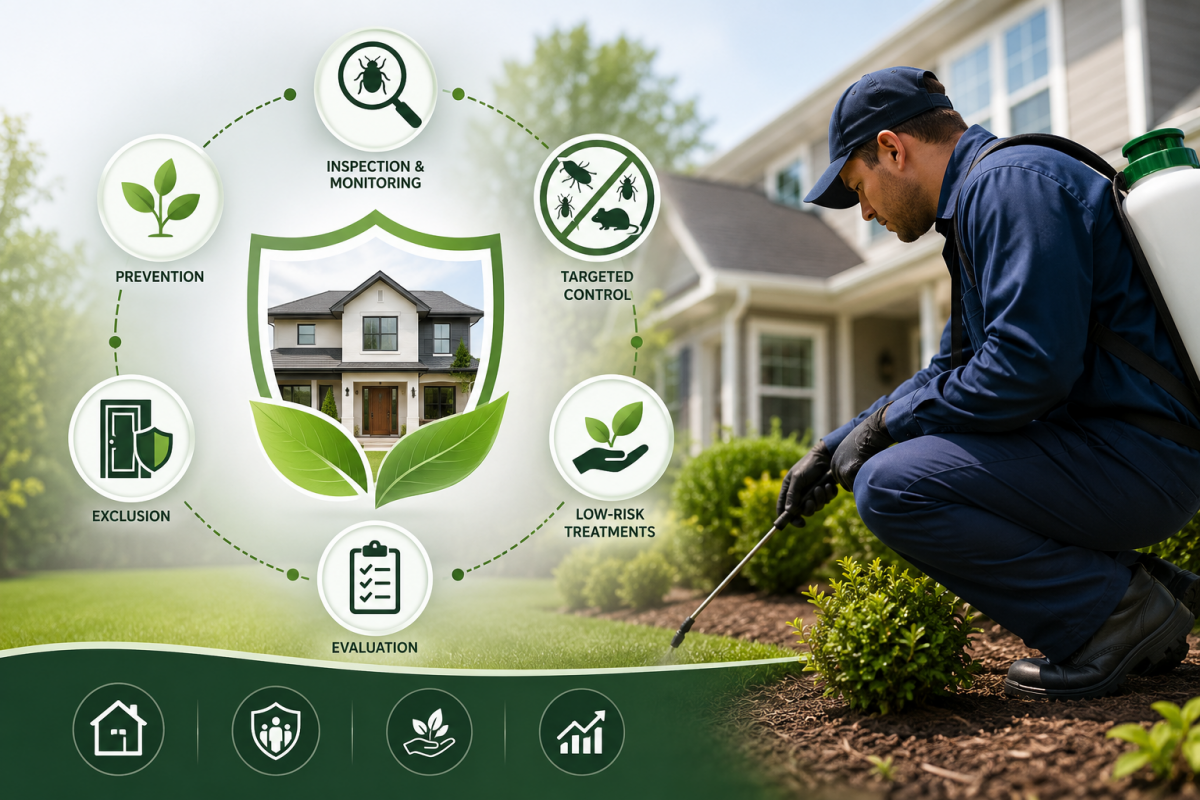
Integrated Pest Management is a science-based approach that combines multiple pest control methods to reduce pest populations while minimizing risks to people, pets, and the environment.
Rather than relying solely on chemical treatments, IPM focuses on identifying the root causes of infestations and addressing them through a combination of preventive and corrective measures.
The Core Principles of IPM
Integrated Pest Management generally follows four key principles:
- Pest identification
- Monitoring and assessment
- Prevention and exclusion
- Targeted control measures
These principles work together to create a long-term strategy rather than a temporary fix.
Why IPM Matters for Homeowners
Think of IPM like preventive healthcare. Instead of waiting until a problem becomes severe, homeowners take proactive steps to reduce risks before they become costly or difficult to manage.
This approach can help reduce recurring infestations while promoting healthier living conditions.
The Growing Need for Pest Management in Residential Areas
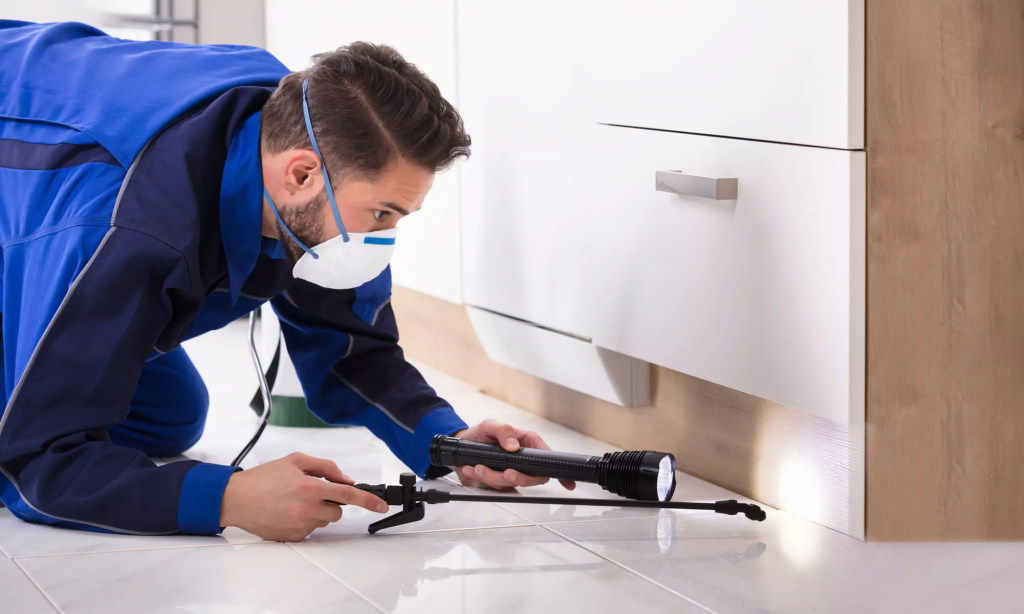
Residential properties provide everything pests need to survive: food, water, shelter, and protection from predators.
As neighborhoods grow and landscapes change, interactions between people and pests become more frequent.
Common Household Pests and Their Impact
Many residential properties experience issues with:
- Ants
- Cockroaches
- Rodents
- Mosquitoes
- Spiders
- Termites
- Fleas
- Bed bugs
Each pest presents unique challenges, ranging from structural damage to potential health concerns.
Factors That Encourage Pest Infestations
Several conditions can attract pests, including:
- Standing water
- Food crumbs
- Overgrown vegetation
- Poor waste management
- Moisture problems
- Unsealed entry points
Understanding these factors is essential for successful IPM implementation.
What Is the Role of Local Pest Control in IPM?
Local pest control providers play a critical role in supporting Integrated Pest Management programs.
Their knowledge extends beyond treatment methods. They understand the environmental conditions, pest pressures, and seasonal patterns specific to the communities they serve.
Local Knowledge and Pest Identification
Accurate pest identification is one of the most important steps in IPM.
Different pests require different management strategies. Misidentifying a pest can lead to ineffective control efforts and wasted resources.
Local professionals are often familiar with the species most commonly encountered in a particular area and can quickly recognize signs of infestation.
Monitoring Pest Activity
Monitoring allows pest populations to be tracked over time.
Instead of treating every pest sighting as an emergency, IPM uses data and observations to determine whether intervention is necessary and what type of response is most appropriate.
Inspection as the Foundation of Effective IPM
A thorough inspection forms the backbone of any successful Integrated Pest Management plan.
Without understanding where pests are entering, hiding, and breeding, long-term control becomes difficult.
Identifying Entry Points
Many pests enter homes through surprisingly small openings.
Common access points include:
- Foundation cracks
- Gaps around doors
- Damaged screens
- Utility penetrations
- Roof openings
Finding and addressing these vulnerabilities helps reduce future infestations.
Detecting Environmental Risk Factors
Inspections also identify conditions that support pest activity, such as:
- Excess moisture
- Poor drainage
- Cluttered storage areas
- Dense landscaping near structures
Correcting these issues often reduces pest pressure significantly.
Prevention Strategies Used in Integrated Pest Management
Prevention is the heart of IPM.
Instead of constantly reacting to infestations, homeowners focus on making their properties less attractive to pests.
Structural Exclusion Methods
Exclusion involves physically preventing pests from entering the home.
Sealing Cracks and Openings
Small gaps can serve as highways for insects and rodents.
Sealing cracks around foundations, windows, doors, and utility lines can dramatically reduce pest entry opportunities.
Managing Moisture Issues
Many pests thrive in damp environments.
Repairing leaks, improving ventilation, and maintaining proper drainage can make a home less inviting to unwanted visitors.
Habitat Modification
Outdoor environments play a significant role in pest activity.
Simple changes such as trimming vegetation, removing debris, and maintaining proper landscaping can reduce harborage areas and breeding sites.
Monitoring and Early Detection Techniques
Monitoring helps identify pest activity before infestations become severe.
Regular Property Assessments
Routine inspections provide valuable information about changing pest conditions.
Early detection often results in more effective and less disruptive management strategies.
Use of Monitoring Devices
Depending on the pest, monitoring tools may include:
- Sticky traps
- Rodent stations
- Mosquito surveillance devices
- Insect monitoring systems
These tools help track activity and support informed decision-making.
Reducing Reliance on Chemical Treatments
One of the primary goals of IPM is reducing unnecessary pesticide use.
Targeted Applications Instead of Broad Treatments
When control measures are needed, IPM encourages precise interventions.
Targeted treatments focus on specific problem areas rather than applying products indiscriminately across an entire property.
The Importance of Responsible Pest Control
Responsible pest management balances effectiveness with safety.
By integrating prevention, monitoring, and exclusion techniques, homeowners can often achieve better results with fewer chemical interventions.
How Local Expertise Improves Pest Management Outcomes
Local knowledge is one of the greatest strengths of community-based pest management programs.
Understanding Regional Pest Behavior
Pest activity varies widely depending on climate, geography, and environmental conditions.
Professionals familiar with local pest control in pembroke pines challenges understand which pests are most active throughout the year and how local conditions influence infestations.
Seasonal Pest Trends in Residential Communities
Different seasons often bring different pest concerns.
For example:
- Warm weather may increase mosquito activity.
- Rainy periods can encourage ant invasions.
- Cooler months may drive rodents indoors.
Recognizing these seasonal patterns helps homeowners prepare proactively.
Education and Homeowner Participation in IPM
Integrated Pest Management works best when homeowners actively participate in prevention efforts.
Practical Steps Residents Can Take
Residents can support IPM by:
- Storing food properly
- Cleaning spills promptly
- Managing waste effectively
- Eliminating standing water
- Maintaining landscaping
- Reporting pest activity early
These habits contribute significantly to long-term success.
Building Long-Term Prevention Habits
Just as daily exercise promotes good health, consistent prevention habits promote a pest-resistant home.
Small actions performed regularly often produce substantial results over time.
Benefits of Integrated Pest Management for Residential Properties
The advantages of IPM extend beyond simply controlling pests.
Health and Safety Advantages
Reducing pest populations can help lower exposure to:
- Allergens
- Disease-carrying pests
- Food contamination risks
A healthier home environment benefits everyone in the household.
Environmental Benefits
IPM supports environmentally responsible practices by emphasizing prevention and targeted interventions.
This approach helps reduce unnecessary impacts on beneficial insects and surrounding ecosystems.
Long-Term Property Protection
Pests such as termites and rodents can cause significant structural damage if left unchecked.
Early detection and preventive measures help preserve the integrity of residential properties.
The Contribution of EntoLogic Pest Solutions to IPM Awareness
Organizations such as EntoLogic Pest Solutions help raise awareness about the importance of Integrated Pest Management principles within residential communities.
By emphasizing inspection, monitoring, prevention, and responsible control practices, educational efforts surrounding IPM encourage homeowners to adopt more sustainable pest management strategies.
As interest in local pest control pembroke pines continues to grow, understanding IPM concepts can help residents make informed decisions about protecting their homes and maintaining healthy living environments. Commercial pest control is a major factor in commercial areas.
Common Misconceptions About Integrated Pest Management
Many people misunderstand what IPM actually involves.
Some common myths include:
- IPM means never using pesticides.
- IPM only works for minor infestations.
- IPM is too complicated for homeowners.
- Prevention alone solves every pest problem.
In reality, IPM is a flexible system that combines multiple strategies to achieve effective, long-term results.
Future Trends in Residential Pest Management
Technology continues to influence how pest management is conducted.
Emerging trends include:
- Smart monitoring devices
- Data-driven pest tracking
- Improved inspection tools
- Environmentally focused management strategies
- Enhanced homeowner education programs
These developments are expected to strengthen IPM programs and improve residential pest prevention efforts.
EntoLogic Pest Solutions Serving the SilverLakes Community and Beyond in Pembroke Pines
EntoLogic Pest Solutions is dedicated to serving the diverse needs of the local community of Pembroke Pines, including individuals residing in neighbourhoods like SilverLakes. With its convenient location near landmarks such as the Xtreme Gardens and major intersections like Pines Blvd and NW 172nd Ave (coordinates: 26.0102129, -80.3726066), we offer local pest control services.
Get local pest control services at SilverLakes Now
Call Us or Contact Us: +1 954-955-3031
Navigate from SilverLakes to EntoLogic Pest Solutions Now
<iframe src=”https://www.google.com/maps/embed?pb=!1m28!1m12!1m3!1d14343.384380600986!2d-80.38960761325863!3d26.00585852040159!2m3!1f0!2f0!3f0!3m2!1i1024!2i768!4f13.1!4m13!3e6!4m5!1s0x88d9a3e10e38808d%3A0x6bf033395ae1df0d!2sSilverLakes%2C%20Pembroke%20Pines%2C%20FL%2033029%2C%20USA!3m2!1d25.9981318!2d-80.38256679999999!4m5!1s0x87c96e52feffc22d%3A0xe87b7b7de372420f!2sEntoLogic%20Pest%20Solutions%2C%20827%20NW%20170th%20Terrace%2C%20Pembroke%20Pines%2C%20FL%2033028%2C%20United%20States!3m2!1d26.0121342!2d-80.3731643!5e0!3m2!1sen!2s!4v1781415298266!5m2!1sen!2s” width=”600″ height=”450″ style=”border:0;” allowfullscreen=”” loading=”lazy” referrerpolicy=”no-referrer-when-downgrade”></iframe>
Integrated Pest Management represents a thoughtful and sustainable approach to residential pest control. Rather than focusing solely on eliminating pests after they appear, IPM emphasizes prevention, monitoring, education, and targeted interventions. Local pest control professionals contribute valuable regional knowledge that helps homeowners identify risks, address vulnerabilities, and maintain healthier living spaces.
For residents interested in learning more about local pest control pembroke pines, understanding the principles of IPM provides a strong foundation for making informed decisions about pest prevention and property protection. By combining professional expertise, homeowner participation, and long-term planning, Integrated Pest Management offers a practical path toward safer and more effective pest management for residential properties.
Local Pest Control: The Frontline for Integrated Pest Management (IPM) in Residential Properties
Supporting IPM Through Data and Demand
- Pervasive Pest Problems: 62% of U.S. households experienced a pest problem in the past 12 months, underscoring the constant need for effective solutions. (Gitnux, 2026)
- Consumer Preference for Safety: A significant 81% of U.S. consumers are willing to pay more for pest control services that utilize safer products, directly aligning with IPM’s core principles. (Gitnux, 2026)
- Growing IPM Adoption: 54% of pest control customers prefer IPM approaches over conventional pesticide-only methods, indicating a strong market demand for sustainable pest management. (Gitnux, 2026)
- IPM Market Growth: The global Integrated Pest Management market is projected to reach USD 38.3 billion by 2034, growing at a CAGR of 6.0%, with residential applications being a key driver. (Market.us, 2025)
- Reduced Pesticide Use: IPM strategies can significantly reduce pesticide use by up to 90%, a critical benefit for residential environments where health and safety are paramount. (WifiTalents, 2026)
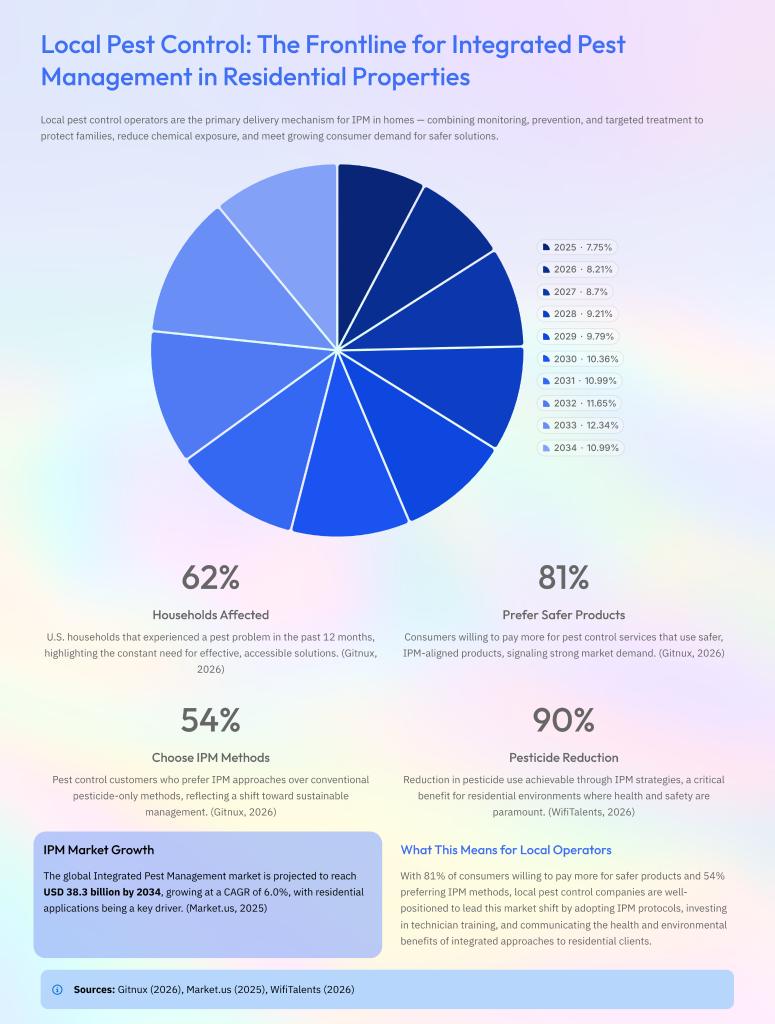
Sources: Gitnux (2026), Market.us (2025), WifiTalents (2026)
FAQs
1. What is the main goal of Integrated Pest Management?
The primary goal of IPM is to prevent and manage pest problems through monitoring, prevention, and targeted control methods while minimizing risks to people and the environment.
2. How does local pest control contribute to IPM programs?
Local pest control professionals provide regional expertise, accurate pest identification, inspections, monitoring, and recommendations that support long-term pest prevention strategies.
3. Can Integrated Pest Management reduce pesticide use?
Yes. IPM emphasizes prevention, exclusion, and monitoring, which often reduces the need for routine or broad pesticide applications.
4. Why is pest monitoring important in residential properties?
Monitoring helps detect pest activity early, allowing homeowners to address problems before infestations become severe or cause significant damage.
5. What homeowner actions support successful IPM?
Maintaining cleanliness, eliminating standing water, sealing entry points, managing landscaping, and promptly addressing moisture issues are all important actions that support Integrated Pest Management.