
How Do Bed Bugs Control Services Eliminate Hidden Infestations in Your Home?
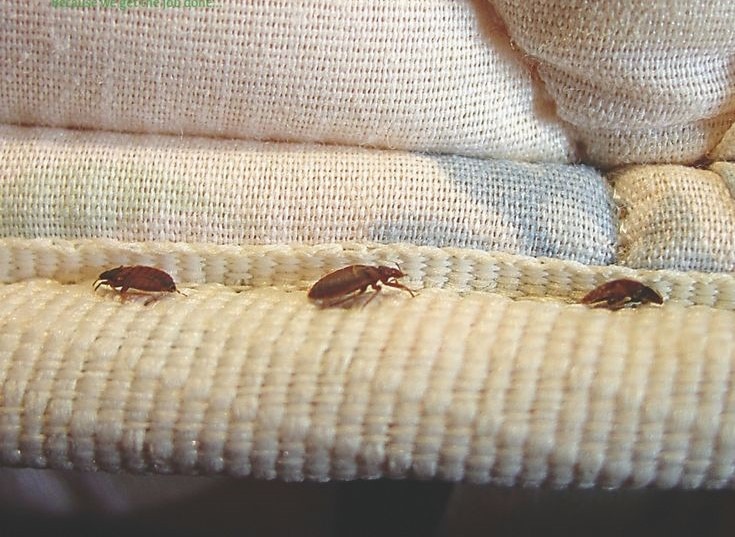
Bed bugs are experts at staying out of sight. They can squeeze into tiny cracks, hide behind furniture, settle inside mattress seams, and remain undisturbed for long periods. That makes a hidden infestation particularly frustrating. You may see only a few signs while a much larger population is tucked away nearby.
This is where professional bed bugs control services Pembroke Pines can make a difference. Rather than treating only the places where bed bugs are visible, professional control focuses on finding likely hiding areas, identifying the extent of the infestation, and applying treatment methods designed to reach concealed insects and eggs.
Hidden Bed Bug Infestations
A hidden infestation does not necessarily mean a severe infestation. It simply means bed bugs are present in locations that are difficult to see or reach.
Bed bugs are mostly nocturnal. During the day, they often retreat into protected spaces close to where people sleep or rest. Their flat bodies allow them to enter gaps that may seem impossibly small.
Why Bed Bugs Are Difficult to Detect
Several characteristics make bed bugs challenging to locate. They are small, flattened insects that can blend into dark furniture, fabric, and cracks. Early infestations may also involve only a small number of insects, producing few obvious clues.
Instead of announcing their presence, bed bugs leave indirect evidence. Small dark spots, shed skins, eggs, or unexplained bites may be the first hints that something is wrong.
Common Places Bed Bugs Hide
Typical hiding areas include mattress seams, box springs, bed frames, headboards, upholstered furniture, baseboards, carpet edges, electrical outlets, cracks in walls, and gaps around furniture.
They may also spread farther from the bed when an infestation grows. In heavily affected homes, nearby rooms can become secondary hiding zones.
Signs of a Hidden Bed Bug Problem
Finding one clue does not always prove that bed bugs are responsible. However, several signs appearing together deserve closer attention.
Physical Evidence to Look For
Look for tiny reddish-brown stains on bedding, dark fecal spots, pale shed skins, eggs, or live insects. Bed bug eggs are very small and may be tucked into cracks where ordinary cleaning will not remove them.
Another clue is a sweet, musty odor that can sometimes become noticeable when an infestation is established.
Bites and Other Warning Signs
Bed bug bites can vary from person to person. Some people develop itchy red marks, while others show little or no visible reaction.
That variation matters. You cannot reliably confirm an infestation simply by looking at your skin. Environmental evidence is usually much more useful.
Why DIY Bed Bug Treatment Can Miss Hidden Areas
Do-it-yourself treatments can appear successful when visible insects disappear. The problem is that bed bugs may still be present somewhere else.
The Problem With Surface-Level Treatment
Spraying a mattress or vacuuming an exposed area may remove some insects without reaching those hidden inside furniture joints, cracks, or other protected spaces.
Eggs create another challenge. A treatment that affects active insects may not necessarily eliminate every egg. If surviving eggs hatch later, the infestation can appear to return when it actually never disappeared completely.
How Professional Bed Bug Inspections Work
A professional inspection is more than simply looking at the mattress. The goal is to understand where bed bugs are likely hiding and how far they may have traveled.
Room-by-Room Inspection
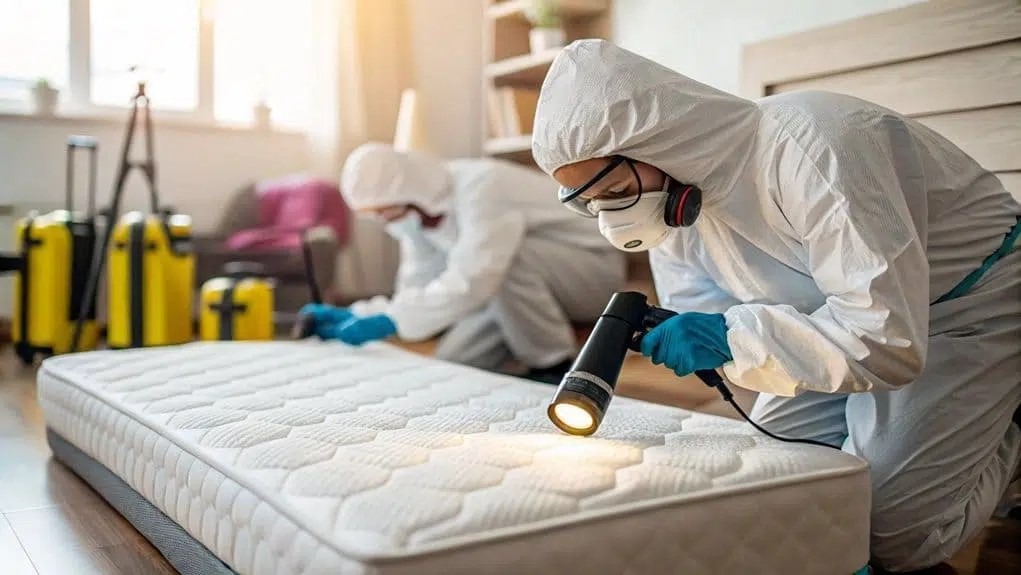
An inspection commonly begins around sleeping and resting areas. Inspectors may examine mattresses, box springs, bed frames, furniture, baseboards, carpets, and other potential harborage points.
The inspection can then expand outward based on evidence. This matters because treating only one location may leave nearby populations untouched.
Checking Furniture, Cracks, and Concealed Spaces
Hidden areas require careful attention. Professionals may inspect seams, joints, cracks, crevices, and spaces behind or underneath furniture.
The reasoning is straightforward: where bed bugs hide determines how they should be controlled.
How Bed Bugs Control Services Eliminate Hidden Infestations
Professional bed bug management generally combines inspection, targeted treatment, monitoring, and follow-up rather than relying on one quick application.
Targeted Chemical Treatments
Certain professional insecticides are designed to remain active after application. When used correctly, they can affect bed bugs that move through treated areas after the initial application.
Application must be precise. Excessive pesticide use is not a substitute for good inspection or proper technique. The objective is to treat appropriate harborages while following product labels and safety requirements.
Heat Treatment and Temperature-Based Control
Heat is another approach used for bed bug management. Bed bugs are vulnerable to sustained temperatures above their normal survival range.
Professional heat treatment involves carefully raising and maintaining temperatures in affected areas while monitoring conditions. The process can reach locations that are difficult to treat with conventional surface applications.
Temperature, exposure time, airflow, and monitoring all matter. Simply making a room feel hot does not guarantee effective control.
Steam, Vacuuming, and Physical Removal
Steam can be useful on appropriate surfaces because sufficient heat can kill bed bugs and eggs on contact. Vacuuming can also physically remove insects and debris from accessible areas.
These methods are often most useful as part of an integrated treatment plan. Think of them as pieces of a puzzle rather than a complete solution on their own.
Why Follow-Up Treatment Matters
Bed bug control is often a process rather than a single event. Follow-up inspections help determine whether activity remains and whether additional treatment is necessary.
This is especially important when eggs were present during the initial treatment. Newly hatched insects may become easier to detect during later inspections.
Monitoring also helps distinguish between a true ongoing infestation and occasional signs that may have another explanation.
How to Prepare Your Home for Treatment
Preparation can make treatment more effective because it improves access to potential hiding places.
Reducing Clutter and Improving Access
Reducing clutter around beds, furniture, and baseboards can expose areas that bed bugs may use as shelter. Items should generally be handled according to the treatment provider’s instructions rather than moved randomly from room to room.
Moving infested belongings without a plan can accidentally spread bed bugs. The goal is controlled preparation, not simply making the room look tidy.
Preventing Bed Bugs From Returning
After treatment, prevention becomes important. Inspect secondhand furniture before bringing it indoors, avoid leaving luggage on beds during travel, and examine sleeping areas after trips.
Regularly checking mattress seams and bed frames can also help identify a new problem early.
Prevention does not mean obsessively cleaning. Bed bugs are not caused by poor housekeeping. They are opportunistic pests that can enter clean homes through luggage, clothing, furniture, and other belongings.
Choosing the Right Bed Bug Control Approach in Pembroke Pines
Treatment decisions should be based on the infestation’s location, size, level of activity, affected materials, and accessibility.
For people researching bed bugs control services in Pembroke Pines, it is useful to understand the treatment process rather than judging control solely by the method’s name. A thorough inspection, appropriate treatment selection, careful application, and follow-up are all important parts of effective management.
Businesses such as EntoLogic Pest Solutions may use these principles when addressing bed bug concerns, but homeowners can benefit from understanding the science behind treatment regardless of which provider they consider.
EntoLogic Pest Solutions Serving the Town Gate Community and Beyond in Pembroke Pines
EntoLogic Pest Solutions is dedicated to serving the diverse needs of the local community of Pembroke Pines, including individuals residing in neighbourhoods like Town Gate. With its convenient location near landmarks such as the MedSim Inc and major intersections like NW 16th Ct and NW 163rd Ave (coordinates: 26.022227, -80.3594695), we offer bed bugs control services.
Get bed bugs control services at Town Gate Now
Call Us or Contact Us: +1 469-425-8406
Navigate from Town Gate to EntoLogic Pest Solutions Now
Hidden bed bug infestations are difficult because the insects rarely stay where you can easily see them. Effective control therefore depends on finding their hiding places, understanding their behavior, selecting an appropriate treatment method, and checking the property again after treatment. Whether the approach involves heat, targeted insecticides, steam, vacuuming, or a combination of techniques, the objective remains the same: address the infestation at its source instead of treating only the visible symptoms.
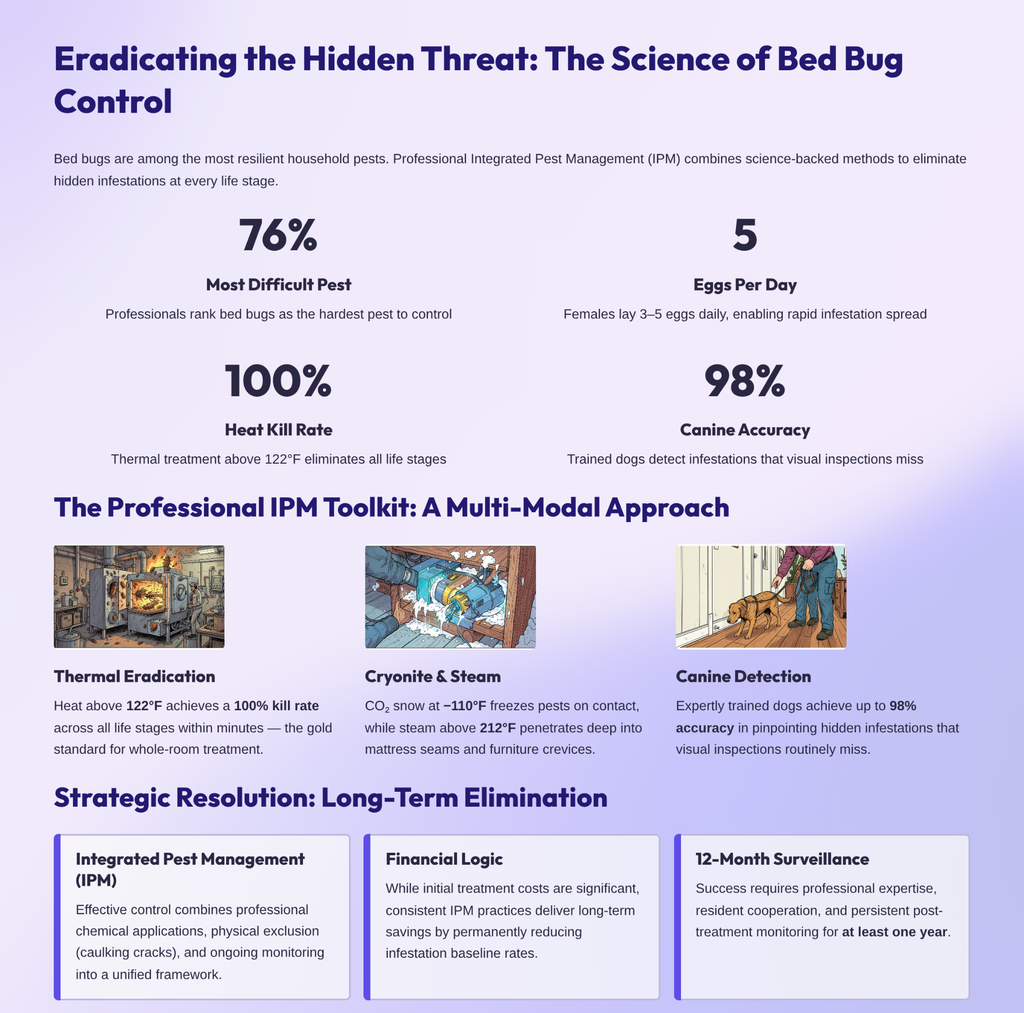
Eradicating the Hidden Threat: The Science of Bed Bug Control
The Invisible Challenge
- The Problem: 76% of professionals rank bed bugs as the single most difficult pest to control due to their rapid reproduction (3 to 5 eggs daily) and ability to thrive in hidden cracks .
- The Reality: Adult bed bugs are just 3/16 inch long, and nymphs are the size of a period, allowing them to remain undetected until an infestation is severe .
The Professional IPM Toolkit: A Multi-Modal Approach
- Thermal Eradication: Heat treatment (above 122F) is the gold standard, offering a 100% kill rate across all life stages within minutes [4, 6].
- Specialized Methods: Cryonite uses CO2 snow at -110F to freeze pests on contact, while steam cleaning (100C+) reaches deep into mattress seams and furniture crevices [5, 6].
- Canine Detection: Expertly trained teams provide up to 98% accuracy in pinpointing infestations that visual inspections miss .
Strategic Resolution: Long-Term Elimination
- Collective Action: Effective control requires an Integrated Pest Management (IPM) framework, combining professional chemical applications, physical exclusion (caulking cracks), and ongoing monitoring [4, 7].
- Financial Logic: While initial disclosure and treatment costs are high, consistent IPM practices lead to long-term savings by permanently reducing the baseline prevalence of infestations in homes and rental properties .
- Call to Action: Success relies on professional expertise, resident cooperation, and persistent post-treatment surveillance for at least one year [3, 7].
Sources: National Pest Management Association ; PNAS Journal ; US EPA ; University of Florida ; Health Canada ; Insect Investigations Ltd ; NY State Department of Health.
Frequently Asked Questions
Can bed bugs live in walls?
Yes. Bed bugs can hide in cracks, gaps, wall voids, and spaces around fixtures, particularly when an infestation has expanded beyond the immediate sleeping area. However, they usually prefer protected locations near people because access to a blood meal is important for their survival.
How long can bed bugs remain hidden?
Bed bugs can remain hidden for extended periods, particularly when conditions are unfavorable or food is unavailable. Their ability to survive without feeding contributes to why early detection and thorough inspection are important.
Can a clean home still have bed bugs?
Absolutely. Cleanliness does not prevent bed bugs. They can enter homes through luggage, clothing, used furniture, visitors’ belongings, and other pathways. Their presence is not an indication that a home is dirty.
Do bed bugs always cause visible bites?
No. People react differently to bed bug bites, and some individuals may have little or no visible reaction. For that reason, unexplained bites alone should not be used to confirm or rule out an infestation.
How many treatments may be needed for a hidden infestation?
There is no universal number. The required treatment schedule depends on the infestation’s size, hiding locations, treatment method, environmental conditions, and whether eggs or surviving insects remain. Follow-up inspection is important for determining whether additional control is necessary.