
How Can Ant Pest Control Services Safely Eliminate Infestations at the Source?
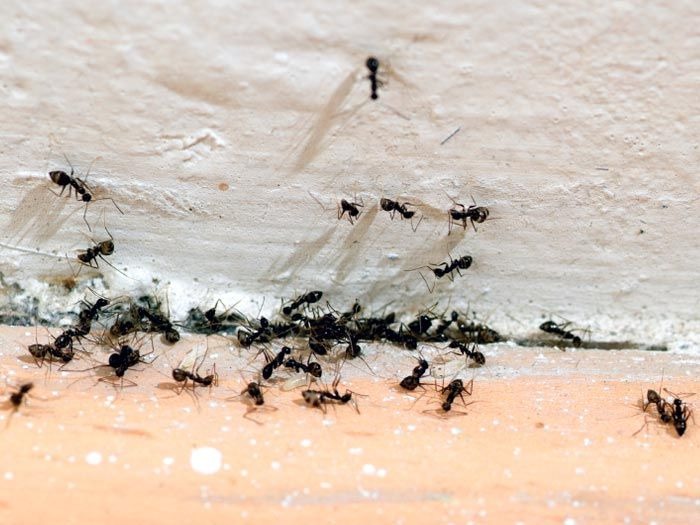
Ant infestations can look deceptively simple. You may see a line of ants near a kitchen counter, around a window, or along an exterior wall and assume the problem is limited to that area. But visible ants are often only the tip of the problem.
The real target is usually the colony, its nesting location, and the conditions allowing it to survive. Effective ant pest control Pembroke Pines therefore focuses on understanding why ants entered the property, where they are coming from, and how their colony is organized.
For businesses such as EntoLogic Pest Solutions, a source-focused approach means looking beyond the ants that are easy to see. The goal is to address the infestation systematically while using control methods carefully and appropriately.
Why Treating Ants at the Source Matters
Ant colonies are organized communities rather than random groups of insects. The ants you notice inside a building may be workers traveling between food or water and a nest located somewhere else.
Killing those visible workers may provide temporary relief, but it does not necessarily affect the colony. If the nest remains active, more workers can replace them.
Source-focused control changes the question from “How do we kill these ants?” to “Why are these ants here, and where is the colony?”
Why Surface-Level Ant Control Often Fails
Spraying every visible ant can seem logical, but it may not solve the underlying problem. Workers can continue emerging from hidden nesting areas, while other ants may establish new trails.
In some situations, disturbing an active trail can also make the pattern harder to follow. Instead of immediately treating every visible insect, pest professionals often study the activity first.
How Ant Colonies Keep Rebuilding
A colony can survive because its reproductive members and developing ants are protected inside a nest. Depending on the species, nests may be located in soil, wall voids, landscaping, cracks, tree cavities, or other sheltered areas.
This is why recurring activity can happen even after an area appears clean. The colony has not necessarily been removed; only the visible workers have been reduced.
How Professionals Identify the Source of an Infestation
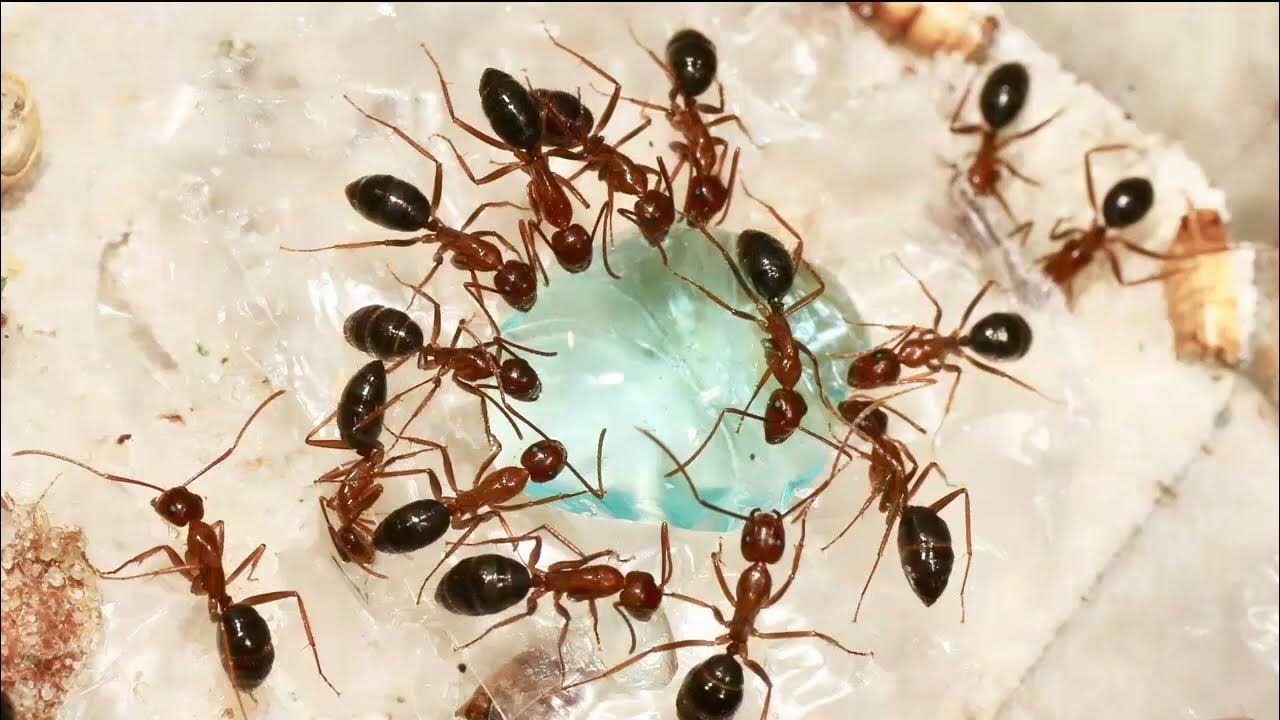
A source-focused inspection begins with observation. Professionals look for patterns rather than treating the first ant they see.
The type of ant also matters because different species can have different nesting habits, food preferences, and behaviors. Accurate identification helps determine which control strategy makes sense.
Following Ant Trails and Activity Patterns
Ants commonly leave chemical trails that help other workers locate food and return to the colony. By observing where ants travel, a technician may identify routes between the nest and a food or moisture source.
The trail can act like a road map. Following it carefully may reveal activity around cabinets, plumbing areas, doors, windows, wall penetrations, or exterior landscaping.
Inspecting Common Nesting Areas
Potential nesting locations vary by species and property conditions. Outdoor nests may occur in soil, mulch, under stones, around tree roots, or near foundations.
Indoor activity may point toward wall voids, insulation spaces, plumbing penetrations, or other protected areas. Inspection helps distinguish between an entry point and the actual nesting site.
Food, Water, and Shelter Sources
Ants need more than food. Moisture and shelter can also influence where they establish activity.
Leaking plumbing, condensation, damp soil, overwatered landscaping, exposed food, grease, sugary residues, and poorly sealed waste containers can all create attractive conditions.
Removing these resources can make the property less suitable for continued ant activity.
Which Ant Control Methods Target the Colony?
The appropriate treatment depends on the ant species, colony location, property conditions, and level of infestation. There is no single method that works identically for every situation.
Professionals may combine several techniques to address both the colony and the conditions supporting it.
Ant Baits and Colony Transfer
Baits can be useful because worker ants may carry suitable food sources back to the colony. Instead of relying only on immediate contact with visible workers, baiting can take advantage of normal ant behavior.
The exact bait formulation and placement should be selected according to the target species and situation. Improper placement can reduce effectiveness or create unnecessary exposure.
Targeted Treatments for Nesting Sites
When a nest can be located, treatment can sometimes be directed toward that area instead of broadly applying products throughout the property.
Targeted treatment reduces the need for unnecessary application and allows the control strategy to focus on the infestation’s actual source.
Exclusion and Entry-Point Management
Even when a colony is controlled, ants may return if the same access points remain available.
Professionals may identify gaps around doors, windows, utility penetrations, foundation areas, or other openings that allow ants to enter. Correcting these pathways is an important part of long-term prevention.
How Professionals Use Integrated Pest Management
Integrated Pest Management, often called IPM, combines inspection, prevention, monitoring, and carefully selected control methods.
Instead of treating pest activity as a problem that can always be solved with more pesticide, IPM asks what combination of actions can reduce the infestation effectively while limiting unnecessary treatment.
Reducing Conditions That Attract Ants
A successful control plan may include sanitation and maintenance changes. Food crumbs, sticky spills, standing water, overflowing trash, and organic debris can all contribute to pest pressure.
Small environmental changes can make a surprisingly large difference when they remove resources that ants depend on.
Using Treatments Carefully Around People and Pets
Safety should always be part of pest management. Products should be used according to their labels, and applications should be limited to appropriate areas.
Professional technicians also consider occupants, pets, sensitive areas, food preparation spaces, and other site-specific factors when determining how treatment should be performed.
Monitoring After Treatment
Ant control does not always end when the initial treatment is completed. Follow-up observation can show whether activity is declining, remaining stable, or appearing in a new location.
Monitoring is particularly useful for recurring infestations because it helps determine whether the original source was addressed or whether additional factors are involved.
What Makes Ant Control Safer and More Effective?
Effective pest management depends on more than the product being used. Identification, placement, timing, inspection, and follow-up all influence the outcome.
A treatment can be powerful but poorly suited to the situation. Conversely, a carefully selected strategy can address the problem with less unnecessary intervention.
Correct Pest Identification
Not every small ant behaves the same way. Species identification helps professionals understand likely nesting habits and feeding behavior.
This information can influence whether baiting, targeted treatment, exclusion, environmental changes, or a combination of methods is appropriate.
Choosing the Right Treatment Strategy
The best approach considers the entire property. A kitchen infestation, an exterior colony near a foundation, and ants emerging from a wall void may require very different strategies.
This is why inspection should come before blindly applying treatments.
Avoiding Unnecessary Chemical Exposure
More pesticide does not automatically mean better pest control. Broad or repeated applications without identifying the source can create unnecessary exposure without resolving the colony.
A targeted strategy aims to use the appropriate method in the appropriate location and amount.
How Homeowners Can Support Long-Term Ant Prevention
Professional treatment works best when property conditions also support prevention. Homeowners can reduce opportunities for ants by addressing the resources and pathways that attract them.
Think of it like closing the door after removing an unwanted guest. Eliminating the immediate problem matters, but keeping the entry point closed matters too.
Keeping Food and Waste Secure
Store food in sealed containers and clean food residues from counters, floors, and appliances. Pay special attention to sweet substances and greasy areas.
Trash should also be kept in containers with secure lids and removed regularly.
Managing Moisture and Outdoor Conditions
Check for plumbing leaks, dripping faucets, condensation, and other moisture problems. Outside, avoid creating persistently damp areas directly beside the structure.
Trim vegetation when it creates a bridge from landscaping to the building and keep organic debris from accumulating against exterior walls.
Sealing Potential Entry Points
Small gaps around windows, doors, pipes, vents, and utility lines can provide access. Weatherstripping, caulking, and appropriate repairs can reduce these pathways.
Sealing entry points is especially useful when ants repeatedly appear in the same areas.
When Professional Ant Control May Be Necessary
Some ant activity is easy to manage, but persistent infestations can be more complicated. Repeated trails, ants appearing from walls, large numbers of ants, or activity returning after multiple attempts at control may indicate a hidden colony.
At that point, simply treating visible ants may not be enough.
Why Recurring Infestations Need a Different Approach
If ants keep returning, something is supporting the infestation. There may be a hidden nest, a reliable food or moisture source, or an unresolved entry point.
Recurring activity is therefore a reason to investigate the cause rather than repeatedly treating the symptom.
What to Expect From a Source-Focused Inspection
A thorough inspection generally involves identifying the ant, documenting activity, checking likely entry points, examining interior and exterior conditions, and determining where the colony may be located.
The resulting treatment plan should reflect those findings rather than relying on a one-size-fits-all method.
EntoLogic Pest Solutions Serving the SilverLakes Community and Beyond in Pembroke Pines
EntoLogic Pest Solutions is dedicated to serving the diverse needs of the local community of Pembroke Pines, including individuals residing in neighbourhoods like SilverLakes. With its convenient location near landmarks such as the FULLANA PROPERTY GROUP INC and major intersections like NW 10th Ct and NW 167th Ave (coordinates: 26.013227, -80.3694844), we offer ant pest control services.
Get ant pest control services at SilverLakes Now
Call Us or Contact Us: +1 469-425-8406
Navigate from SilverLakes to EntoLogic Pest Solutions Now
Safely eliminating an ant infestation is less about chasing individual ants and more about understanding the colony behind them. Effective ant pest control in Pembroke Pines can involve identification, trail observation, source detection, targeted control, exclusion, sanitation, and ongoing monitoring. EntoLogic Pest Solutions represents the kind of source-focused approach in which the visible infestation is treated as evidence of a larger pattern. When the colony, entry points, and environmental conditions are considered together, ant management becomes more precise, practical, and sustainable.
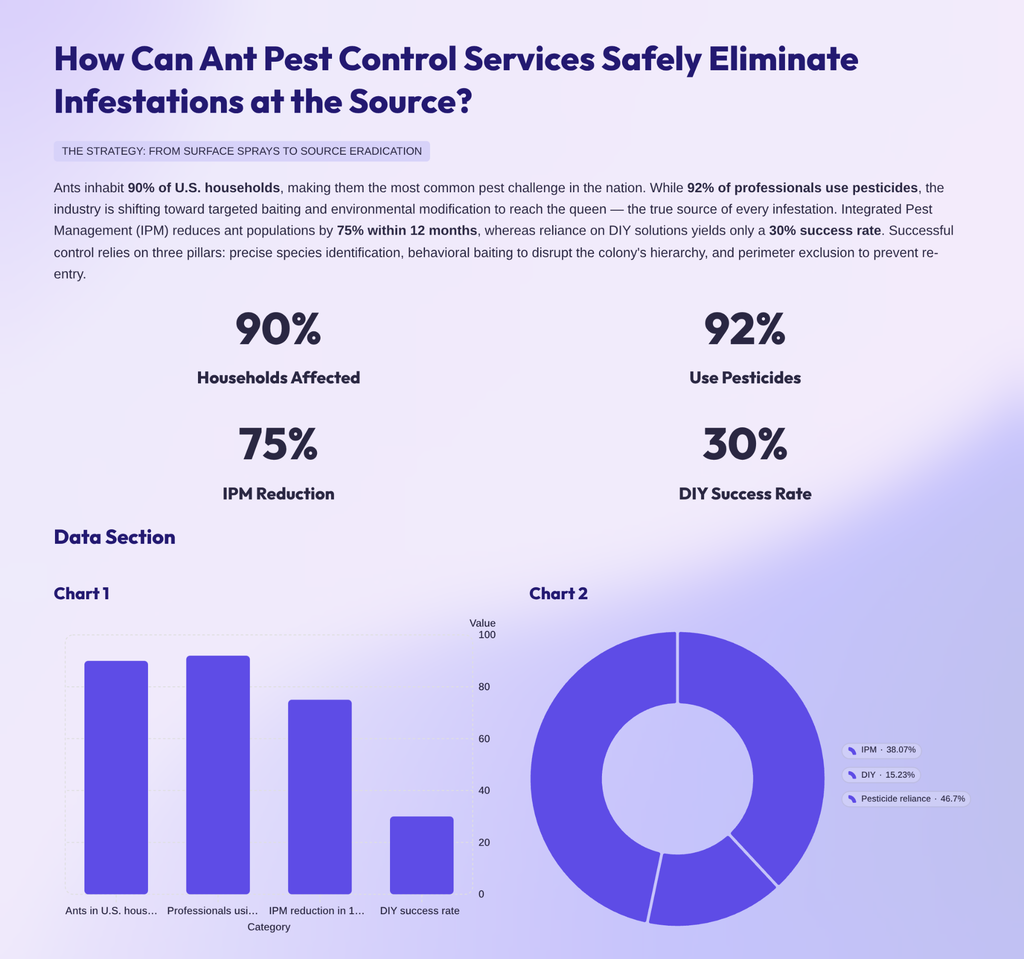
The Strategy: From Surface Sprays to Source Eradication
- The Scale: Ants inhabit 90% of U.S. households, making them the most common pest challenge.
- The Shift: While 92% of professionals use pesticides, the industry is moving toward targeted baiting and environmental modification to reach the queen.
- The Impact: Integrated Pest Management (IPM) reduces populations by 75% in 12 months, whereas reliance on DIY solutions often yields only a 30% success rate.
- Core Methodology: Successful control relies on three pillars: precise species identification, behavioral baiting to disrupt the colony’s hierarchy, and perimeter exclusion to prevent re-entry.
Sources: PCT 2025/2026 State of the Ant Control Market Reports; NPMA; EPA; Statista.
Frequently Asked Questions
Can ant control eliminate the entire colony?
It can, depending on the ant species, colony structure, nesting location, and treatment method. Strategies such as appropriate baiting can allow control materials to reach areas where individual workers cannot.
How long does source-focused ant control take?
The timeline varies. Some activity may decline quickly, while colony-level control can take longer. Factors include the species, size of the colony, nesting location, food availability, and treatment strategy.
Are ant baits safer than spraying visible ants?
Baits can allow a more targeted approach because they use ant behavior to transfer material toward the colony. However, safety depends on the product, placement, label directions, and the conditions of the property.
Why do ants return after treatment?
Ants may return when the colony remains active, new ants find the same food or moisture sources, or entry points remain open. Recurring activity is often a reason to reassess the source rather than simply repeat the same treatment.
What should homeowners do before ant treatment?
Keep food sealed, clean visible food residues, manage trash, address obvious leaks, and avoid disturbing suspected ant trails immediately before an inspection. Preserving activity patterns can help professionals understand where ants are traveling and where the colony may be located.