What Is the Best Mosquito Control Strategy for Homes Near Lakes and Ponds?
Living near a lake or pond offers beautiful scenery, cooler evenings, and easy access to nature. However, these benefits often come with one persistent challenge: mosquitoes. Because mosquitoes rely on water to complete their life cycle, homes near natural water sources usually experience higher mosquito activity than other locations.
Finding the best mosquito control Pembroke Pines homeowners can learn from starts with understanding mosquito behavior rather than relying on a single solution. According to educational resources shared by EntoLogic Pest Solutions, long-term mosquito management is most effective when multiple prevention strategies are combined instead of depending on one method alone.
Why Homes Near Water Face More Mosquito Activity
Mosquitoes need moisture to survive and reproduce. Lakes, ponds, marshes, and slow-moving water provide ideal environments for laying eggs. Even if a lake itself is well-maintained, nearby puddles, gutters, and containers can become breeding sites.
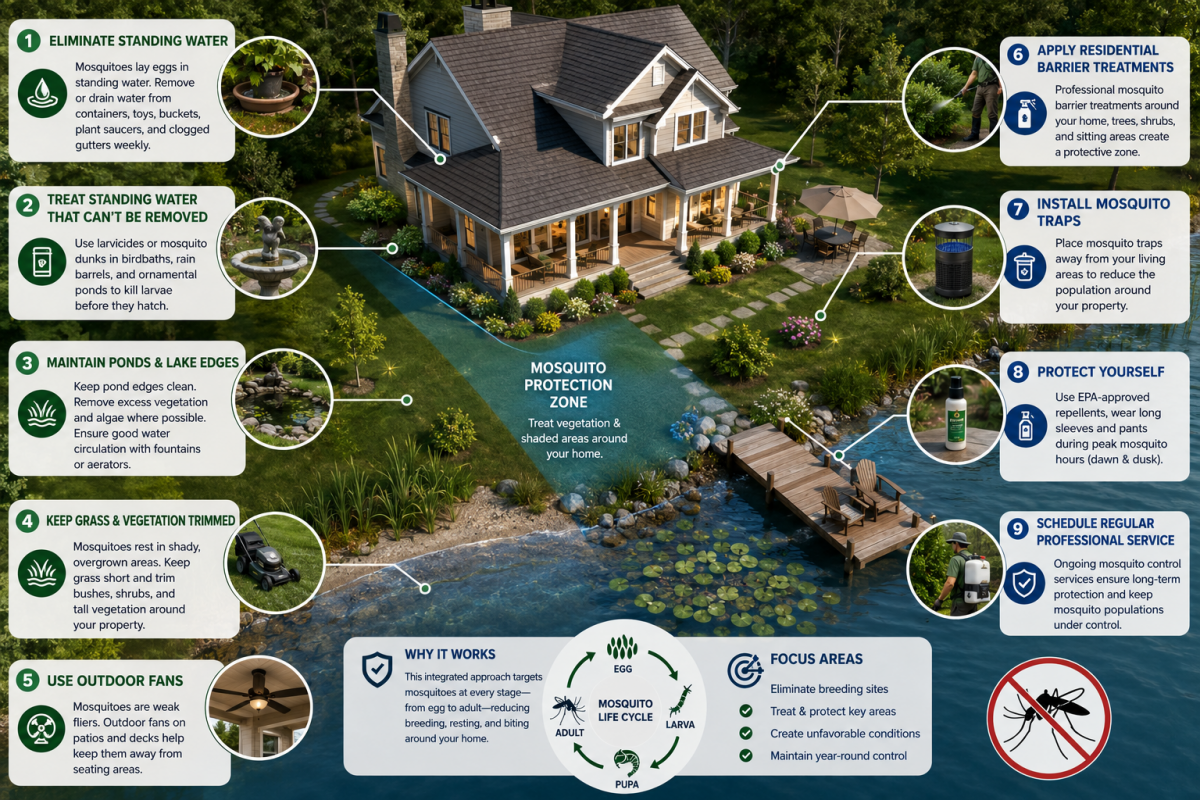
Understanding the Mosquito Life Cycle
Mosquitoes develop through four stages:
Egg Stage
Female mosquitoes lay eggs on or near water surfaces.
Larval Stage
Larvae remain in water while feeding on microscopic organisms.
Pupal Stage
The mosquito transforms before emerging as an adult.
Adult Stage
Adult mosquitoes leave the water and begin searching for food and breeding opportunities.
Breaking this cycle is one of the most effective ways to reduce mosquito populations.
Why Standing Water Matters
Mosquitoes don’t require large lakes to breed. Surprisingly, just a small amount of stagnant water can support hundreds of developing larvae. That’s why regular inspections around the home are essential.
Common Mosquito Breeding Areas Around Homes
Many homeowners focus on nearby lakes while overlooking breeding sites in their own yards.
Natural Water Sources
Natural breeding locations may include:
- Pond edges
- Marshy areas
- Drainage ditches
- Wetland vegetation
Artificial Water Collection Points
Human-made containers often become hidden mosquito nurseries, including:
- Bird baths
- Flower pots
- Children’s toys
- Buckets
- Clogged gutters
- Tarps
- Wheelbarrows
- Outdoor furniture covers
Regularly emptying these items significantly reduces mosquito breeding opportunities.
The Best Mosquito Control Strategy for Waterfront Homes
The best mosquito control Pembroke Pines property owners can apply involves combining prevention, maintenance, and environmental management.
Eliminate Standing Water Whenever Possible
Water that remains undisturbed for several days creates ideal breeding conditions. Empty containers after rainfall and improve drainage in low-lying areas where water tends to collect.
Maintain Healthy Landscaping
Mosquitoes seek cool, shaded resting places during the day.
Simple landscaping practices include:
- Trimming shrubs
- Mowing grass regularly
- Removing excess weeds
- Pruning dense vegetation
- Improving airflow around outdoor seating areas
A cleaner landscape creates fewer hiding places for adult mosquitoes.
Protect Outdoor Living Spaces
Physical barriers remain one of the most reliable forms of protection.
Helpful measures include:
- Keeping window screens in good condition
- Repairing torn door screens
- Using outdoor fans during gatherings
- Wearing long sleeves during peak mosquito hours
Moving air makes it much harder for mosquitoes to fly and land.
Natural Ways to Reduce Mosquito Populations
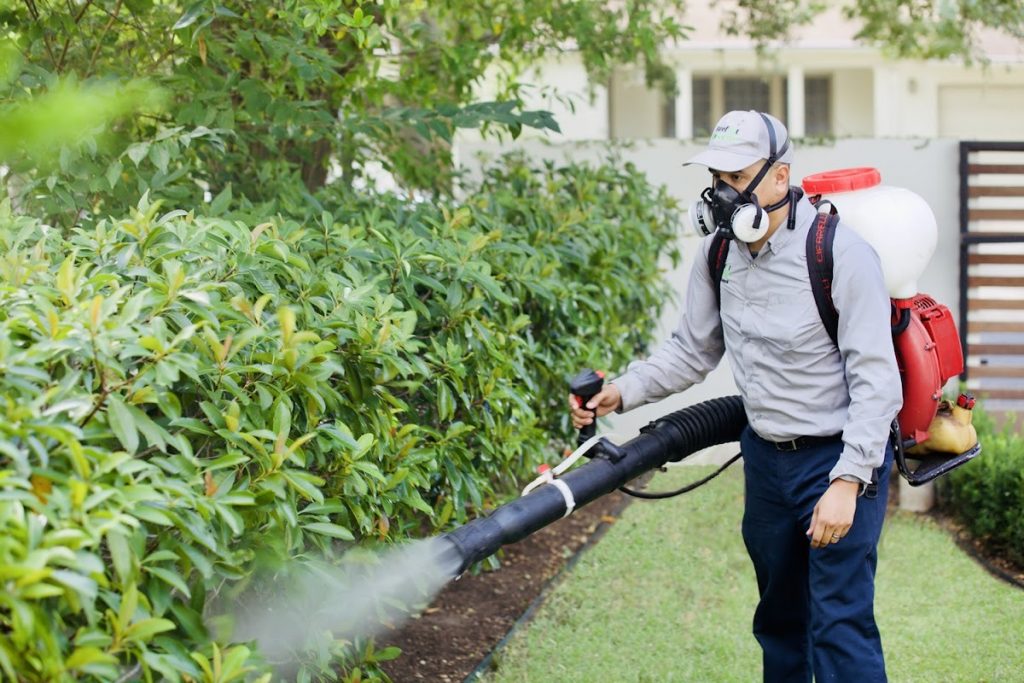
Many homeowners prefer environmentally friendly practices as part of their mosquito management routine.
Plants That May Help Deter Mosquitoes
While plants alone won’t eliminate mosquitoes, some are commonly grown around patios because of their strong natural scents.
Examples include:
- Lavender
- Citronella grass
- Basil
- Rosemary
- Mint
These plants work best when combined with broader mosquito prevention efforts.
Encouraging Natural Predators
Nature already provides several mosquito predators.
Common examples include:
- Dragonflies
- Certain fish species
- Birds
- Bats
Supporting local biodiversity may contribute to keeping mosquito numbers more balanced over time.
Seasonal Mosquito Prevention Tips
Mosquito control is easier when approached year-round.
Spring Preparation
Spring is the ideal time to:
- Clean gutters
- Remove winter debris
- Inspect drainage
- Empty stored containers
Addressing these issues early helps reduce mosquito populations before peak season arrives.
Summer Maintenance
During warmer months:
- Inspect the yard after heavy rain
- Refresh bird bath water frequently
- Continue trimming vegetation
- Monitor shaded areas
Consistency often produces better results than occasional maintenance.
Mistakes That Make Mosquito Problems Worse
Many homeowners unknowingly encourage mosquito activity by:
- Ignoring clogged gutters
- Leaving pet bowls outdoors overnight
- Allowing standing water beneath flower pots
- Overwatering lawns
- Neglecting dense shrubs
Avoiding these common mistakes can noticeably reduce mosquito habitat around the home.
How Climate and Humidity Affect Mosquito Activity
Warm temperatures and high humidity create ideal conditions for mosquito development. Regions with frequent rainfall often experience longer mosquito seasons because standing water becomes more common.
Following the best mosquito control Pembroke Pines practices becomes even more important in humid environments where mosquitoes remain active for much of the year.
Creating a Long-Term Mosquito Management Plan
Successful mosquito management isn’t about finding one perfect solution. Instead, it’s about combining several practical habits into a routine.
A long-term strategy includes:
- Weekly yard inspections
- Routine landscape maintenance
- Standing water removal
- Seasonal property checks
- Protecting outdoor living spaces
Small actions performed consistently usually produce better long-term results than occasional large efforts.
EntoLogic Pest Solutions Serving the Town Gate Community and Beyond in Pembroke Pines
EntoLogic Pest Solutions is dedicated to serving the diverse needs of the local community of Pembroke Pines, including individuals residing in neighbourhoods like Town Gate. With its convenient location near landmarks such as the FULLANA PROPERTY GROUP INC and major intersections like NW 12th Ct and NW 169th Ave (coordinates: 26.0147129, -80.3701003), we offer best mosquito control services.
Get best mosquito control services at Town Gate Now
Call Us or Contact Us: +1 469-425-8406
Navigate from Town Gate to EntoLogic Pest Solutions Now
Homes located near lakes and ponds naturally experience greater mosquito pressure, but that doesn’t mean mosquitoes have to dominate outdoor living. Understanding their life cycle, reducing breeding sites, maintaining landscaping, and practicing consistent prevention all work together to lower mosquito activity. Learning from educational guidance shared by EntoLogic Pest Solutions helps homeowners understand how integrated mosquito management supports healthier, more comfortable outdoor environments. By applying the best mosquito control in Pembroke Pines strategies consistently, homeowners can significantly reduce mosquito-friendly conditions around their property.
FAQs
1. Why are mosquitoes more common near lakes and ponds?
Mosquitoes require water to complete their life cycle, making nearby water sources favorable breeding environments.
2. How often should standing water be removed?
It’s best to inspect your property weekly and remove standing water after every rainfall whenever possible.
3. Do mosquito-repelling plants completely solve mosquito problems?
No. While certain plants may help discourage mosquitoes, they work best alongside other preventive measures.
4. What time of day are mosquitoes usually most active?
Many mosquito species are most active during early morning and around sunset when temperatures are cooler.
5. What is the best mosquito control Pembroke Pines homeowners should focus on?
The most effective approach combines standing water removal, routine landscape maintenance, outdoor protection measures, and consistent property inspections to reduce mosquito breeding opportunities over time.