
Bed bugs are among the most difficult household pests to eliminate completely. Their ability to hide in tiny spaces, survive for extended periods without feeding, and spread unnoticed makes reinfestation a serious concern for homeowners. After an initial treatment, many people wonder whether the problem is truly over or if the pests might return weeks or months later.
Professional pest control companies use multiple prevention strategies to reduce the chances of reinfestation. These methods involve detailed inspections, heat applications, monitoring systems, sanitation guidance, and long-term preventive practices. Rather than relying on a single solution, experts focus on eliminating bed bugs at every life stage while also reducing the environmental conditions that allow infestations to reappear.
For homeowners researching bed bugs control services pembroke pines, understanding how prevention works is essential. Companies such as EntoLogic Pest Solutions often emphasize long-term management because successful bed bug control involves more than simply removing visible insects.
Understanding Why Bed Bugs Return After Treatment
Reinfestation is one of the most common challenges associated with bed bug control. Even after successful treatment, certain factors can allow bed bugs to return.
Hidden Bed Bug Eggs and Resistant Populations
Bed bug eggs are extremely small and often hidden deep within furniture seams, wall cracks, electrical outlets, and other concealed areas. If some eggs survive treatment, newly hatched bed bugs can restart the infestation.
Another challenge involves pesticide resistance. Some bed bug populations have adapted to certain chemical treatments over time, making elimination more difficult if treatment plans are not comprehensive.
Because of these risks, pest control professionals often combine multiple treatment methods to improve effectiveness and reduce survival rates.
Reintroduction Through Personal Belongings
Bed bugs are excellent hitchhikers. They commonly travel through:
- Luggage
- Clothing
- Backpacks
- Used furniture
- Bedding materials
A homeowner may unknowingly bring bed bugs back into the property after travel or contact with infested environments. This is why prevention strategies extend beyond the treatment itself.
The Importance of Professional Inspection
Inspections are a critical part of preventing future infestations. Without identifying all hiding places, some bed bugs may survive and continue reproducing.
Identifying High-Risk Areas in the Home
Professional inspectors carefully examine areas where bed bugs commonly hide, including:
- Mattress seams
- Bed frames
- Upholstered furniture
- Carpet edges
- Baseboards
- Nightstands
- Curtains
- Cracks in walls
A detailed inspection helps technicians determine the extent of the infestation and select the most effective treatment plan.
Cracks, Furniture, and Bedding Zones
Bed bugs prefer dark and narrow spaces located near sleeping areas. Tiny crevices in wooden furniture or behind wall decorations can become ideal hiding locations.
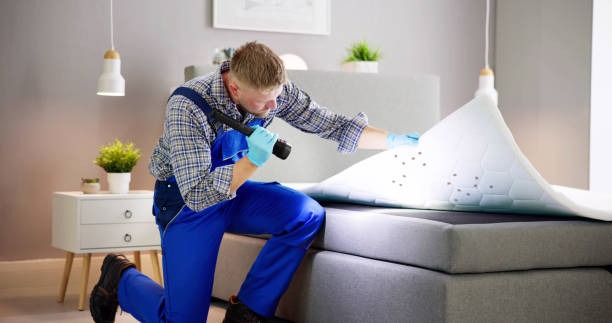
Inspectors use specialized tools such as flashlights and monitoring devices to locate these concealed areas. Thorough inspections reduce the risk of hidden bed bugs surviving treatment.
How Heat Treatments Help Reduce Reinfestation Risks
Heat treatment is one of the most effective non-chemical approaches for controlling bed bugs.
Eliminating Bed Bugs at Every Life Stage
One major advantage of heat remediation is its ability to destroy:
- Adult bed bugs
- Nymphs
- Eggs
When room temperatures are raised to lethal levels, bed bugs cannot survive regardless of where they are hiding. Heat penetrates mattresses, furniture, wall voids, and other difficult-to-reach spaces.
Many experts discussing bed bugs control services in pembroke pines consider heat treatment valuable because it targets the entire infestation at once instead of relying solely on surface-level applications.
Follow-Up Treatments and Monitoring Strategies
Bed bug prevention does not stop after the initial extermination process. Continuous monitoring is necessary to confirm long-term success.
Scheduled Monitoring Visits
Many professional pest management companies schedule follow-up visits after treatment. These visits help technicians evaluate whether any remaining activity exists.
Follow-up inspections may include:
- Visual examinations
- Trap inspections
- Spot treatments
- Monitoring device evaluations
Routine monitoring helps detect problems early before a full reinfestation develops.
Bed Bug Detection Tools and Traps
Several monitoring tools assist with ongoing prevention efforts, including:
- Bed leg interceptors
- Sticky monitoring traps
- Carbon dioxide monitors
- Passive detection systems
These tools help identify low-level activity that may otherwise remain unnoticed for long periods.
Preventive Cleaning and Sanitation Practices
Sanitation alone does not eliminate bed bugs, but it plays an important role in reducing hiding spots and improving treatment effectiveness.
Reducing Clutter Around Sleeping Areas
Excess clutter creates ideal hiding places for bed bugs. Piles of clothing, storage containers, and unused furniture make inspections more difficult and provide protection for surviving insects.
Reducing clutter can help:
- Improve visibility during inspections
- Limit hiding locations
- Simplify cleaning routines
- Increase treatment efficiency
Organized living spaces are easier to monitor for future activity.
Proper Laundering Techniques
Heat exposure is highly effective against bed bugs hiding in fabrics.
Recommended laundering steps include:
- Washing infested fabrics in hot water
- Drying clothing and bedding on high heat
- Storing cleaned items in sealed bags
- Avoiding contact with untreated materials
Proper laundering helps prevent surviving bed bugs from spreading throughout the home.
Mattress and Furniture Protection Methods
Physical barriers can significantly reduce the likelihood of reinfestation.
Mattress Encasements and Protective Covers
Special mattress encasements trap surviving bed bugs inside while preventing new infestations from entering the mattress.
Benefits include:
- Easier inspections
- Fewer hiding spots
- Long-term mattress protection
- Improved sanitation management
Protective covers are especially useful after professional treatment because they provide an additional layer of defense.
The Role of Resident Education in Bed Bug Prevention
Homeowner awareness is a major factor in preventing recurring infestations.
Recognizing Early Warning Signs
Early detection can stop a small problem from becoming a severe infestation.
Common warning signs include:
- Small reddish insects
- Dark stains on bedding
- Shed skins
- Tiny eggs
- Bite patterns on exposed skin
Recognizing these signs early allows homeowners to respond before the infestation spreads further.
Education is frequently emphasized by providers offering bed bugs control services pembroke pines because informed residents are better equipped to avoid future infestations.
How Multi-Unit Housing Increases Reinfestation Risks
Shared housing environments create unique challenges for bed bug prevention.
Coordinated Treatment Approaches
Bed bugs can move between units through:
- Electrical conduits
- Plumbing systems
- Wall voids
- Hallways
Treating only one apartment while neighboring units remain infested can lead to recurring problems.
Coordinated inspections and treatment strategies throughout the building are often necessary to achieve long-term control.
Integrated Pest Management and Long-Term Control
Modern bed bug prevention often relies on Integrated Pest Management (IPM).
Chemical and Non-Chemical Prevention Techniques
IPM combines several strategies, including:
- Heat remediation
- Vacuuming
- Steam treatment
- Monitoring systems
- Limited pesticide applications
- Resident education
This layered approach increases effectiveness while reducing reliance on a single treatment method.
Companies such as EntoLogic Pest Solutions may incorporate integrated techniques because long-term prevention requires flexibility and continuous monitoring.
Seasonal Factors That Influence Bed Bug Activity
Although bed bugs remain active indoors throughout the year, certain seasons increase exposure risks.
Travel periods often contribute to infestations because bed bugs spread through:
- Hotels
- Airports
- Public transportation
- Vacation rentals
Increased travel during holidays and summer vacations can unintentionally introduce bed bugs into homes.
Preventive travel habits include:
- Inspecting hotel mattresses
- Keeping luggage elevated
- Washing travel clothing immediately
- Avoiding uninspected secondhand furniture
These precautions reduce the likelihood of bringing bed bugs home.
Choosing Experienced Professionals for Effective Prevention
Experience plays an important role in long-term bed bug management.
Why Experience Matters in Pembroke Pines
Warm climates such as Pembroke Pines can create favorable conditions for year-round bed bug activity. Local expertise helps professionals understand common infestation trends and effective treatment timing.
Experienced pest control providers know how to:
- Identify hidden infestation zones
- Select appropriate treatment methods
- Implement follow-up strategies
- Educate residents on prevention practices
For homeowners researching bed bugs control services pembroke pines, understanding the value of professional expertise can help explain why comprehensive prevention plans are essential for long-term control.
EntoLogic Pest Solutions Serving the SilverLakes Community and Beyond in Pembroke Pines
EntoLogic Pest Solutions is dedicated to serving the diverse needs of the local community of Pembroke Pines, including individuals residing in neighbourhoods like SilverLakes. With its convenient location near landmarks such as the Western Union and major intersections like NW 172nd Ave and Pines Blvd (coordinates: 26.0079629, -80.3751102), we offer bed bugs control services services.
Get bed bugs control services services at SilverLakes Now
Call Us or Contact Us: +1 469-425-8406
Navigate from SilverLakes to EntoLogic Pest Solutions Now
Preventing bed bug reinfestation requires a comprehensive and ongoing strategy. Successful pest control services focus not only on eliminating existing bed bugs but also on preventing future outbreaks through inspections, monitoring, sanitation, education, and integrated treatment methods.
Reinfestation can happen through hidden eggs, untreated neighboring units, travel exposure, or contaminated belongings. Because of this, long-term prevention depends on consistent follow-up care and proactive household practices.
Homeowners looking into bed bugs control services pembroke pines can benefit from understanding how these preventive methods work together to reduce the likelihood of recurring infestations. Companies like EntoLogic Pest Solutions often emphasize detailed inspections and long-term prevention because sustainable bed bug control requires both professional expertise and resident cooperation.
How Do Bed Bugs Control Services Prevent Reinfestation After Initial Treatment?
The Persistent Battle: From Eradication to Reinfestation
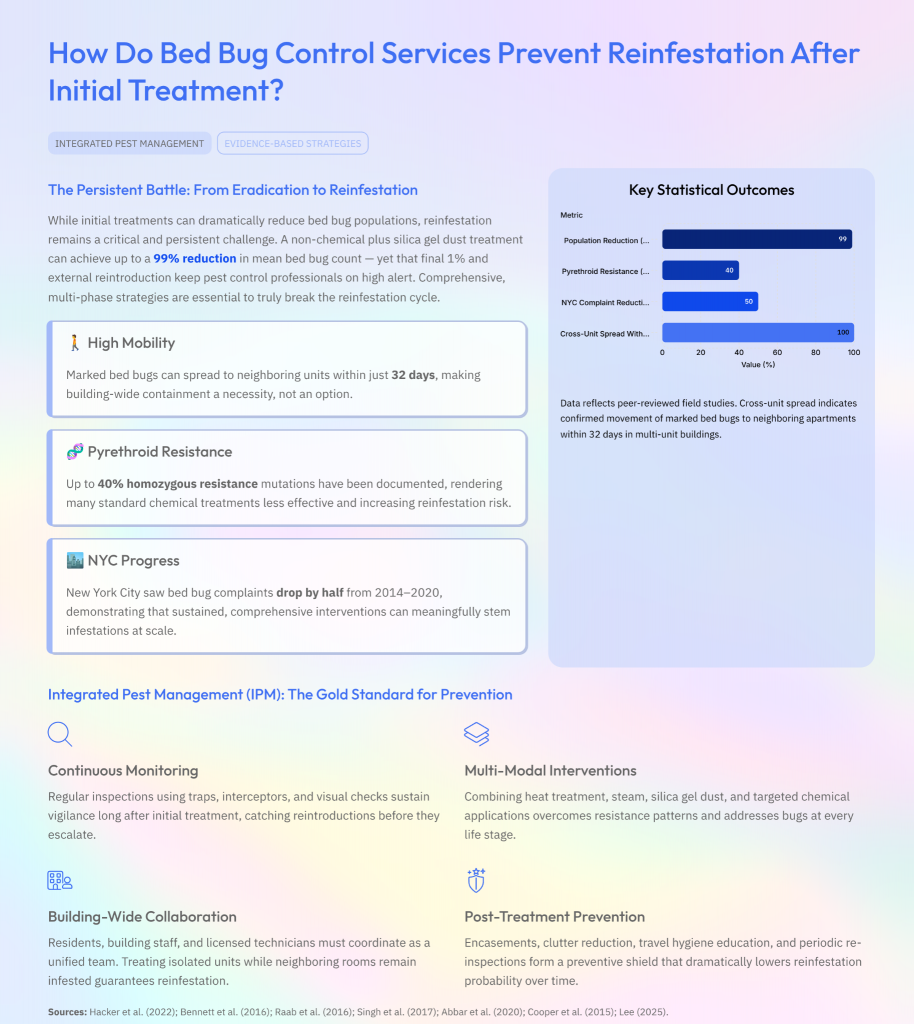
- Initial Success vs. Lingering Threat: While initial treatments can significantly reduce bed bug populations (e.g., a 99% reduction in mean bed bug count observed with non-chemical plus silica gel dust treatment), reinfestation remains a critical challenge.
- The Movement Factor: Bed bugs are highly mobile, with extensive movement observed within and between apartments. Studies show marked bed bugs can be found in neighboring units within 32 days, highlighting the difficulty of containing an infestation to a single treated area.
- Resistance is Futile (for Bed Bugs): High rates of pyrethroid resistance (up to 40% homozygous for key mutations) mean that some treatments may be less effective, leading to chronic infestations and increased likelihood of reintroduction.
- Integrated Pest Management (IPM) is Key: A building-wide, collaborative effort involving residents, staff, and technicians is crucial. This includes regular monitoring, a combination of non-chemical and chemical interventions, and crucially, continued periodic monitoring and preventive measures even after initial elimination to reduce reinfestation rates.
- NYC’s Progress: Despite the challenges, New York City has seen a significant decrease in bed bug complaints (dropping by half from 2014-2020), suggesting that comprehensive interventions can stem the epidemic, though areas with high infestation tend to remain problematic.
Sources: Hacker et al. (2022), Bennett et al. (2016), Raab et al. (2016), Singh et al. (2017), Abbar et al. (2020), Cooper et al. (2015), Lee (2025).
FAQs
1. How long should monitoring continue after bed bug treatment?
Monitoring should typically continue for several weeks after treatment to ensure that no surviving bed bugs remain active.
2. Can bed bugs survive inside furniture after treatment?
Yes, bed bugs can hide deep inside furniture if treatment does not fully reach those areas, which is why follow-up inspections are important.
3. Why are bed bug eggs difficult to eliminate?
Bed bug eggs are tiny, well-hidden, and resistant to some treatments, making them one of the biggest challenges in preventing reinfestation.
4. Do clean homes still get bed bugs?
Yes, bed bugs are not attracted to dirt or poor sanitation. They are attracted to human hosts and can infest both clean and cluttered environments.
5. What is the most effective long-term prevention method for bed bugs?
Integrated Pest Management, which combines inspections, heat treatment, monitoring, sanitation, and resident education, is considered one of the most effective long-term prevention approaches.