How Does a Rodent Control Service Identify Hidden Rat Entry Points in Your Property?
Rats rarely walk through the front door. They slip through forgotten cracks, hidden voids, roof gaps, utility penetrations, and structural weaknesses that many property owners never notice. That is exactly why identifying entry points is one of the most important parts of any professional inspection.
When experts from EntoLogic Pest Solutions perform an inspection related to rodent control service pembroke pines, the goal is not simply to find rodents it is to understand how they are getting inside in the first place. Like detectives reading invisible footprints, pest professionals follow physical evidence, structural patterns, and behavioral clues to uncover hidden access points.
So how exactly does a professional rodent inspection reveal what most people miss? Let’s explore the process in detail.
Why Do Rats Enter Properties in the First Place?
Rats are opportunistic survivors. They enter structures for three main reasons:
- Food
- Water
- Shelter
A home, office, warehouse, or commercial building can offer all three.
Even a tiny crumb under an appliance or condensation around a pipe can become an invitation. Once rats discover a reliable resource, they often return repeatedly, following the same pathways.
Think of your property as a fortress. If food is the treasure, rats are constantly searching for the smallest crack in the castle wall.
Why Hidden Entry Points Are So Difficult to Detect
Most people look for obvious holes. Rats rarely use obvious holes.
Instead, they exploit:
- Expansion joints
- Utility penetrations
- Roofline separations
- Drain openings
- Crawl space vents
- Weathered siding gaps
What makes this challenging is that rats can compress their bodies dramatically. Some species can squeeze through openings as small as half an inch.
That means a gap no bigger than your thumb may function like a front gate.
Why Professional Inspection Matters
A trained inspector does more than search for holes.
They study:
- Movement patterns
- Structural vulnerabilities
- Rodent biology
- Environmental conditions
Professionals involved in rodent control service in pembroke pines understand that the entry point is often nowhere near where the rats are seen.
You might hear scratching in the attic, but the access point could be near the foundation.
That’s why inspections follow a systematic process.
Behavioral Patterns That Reveal Rat Activity
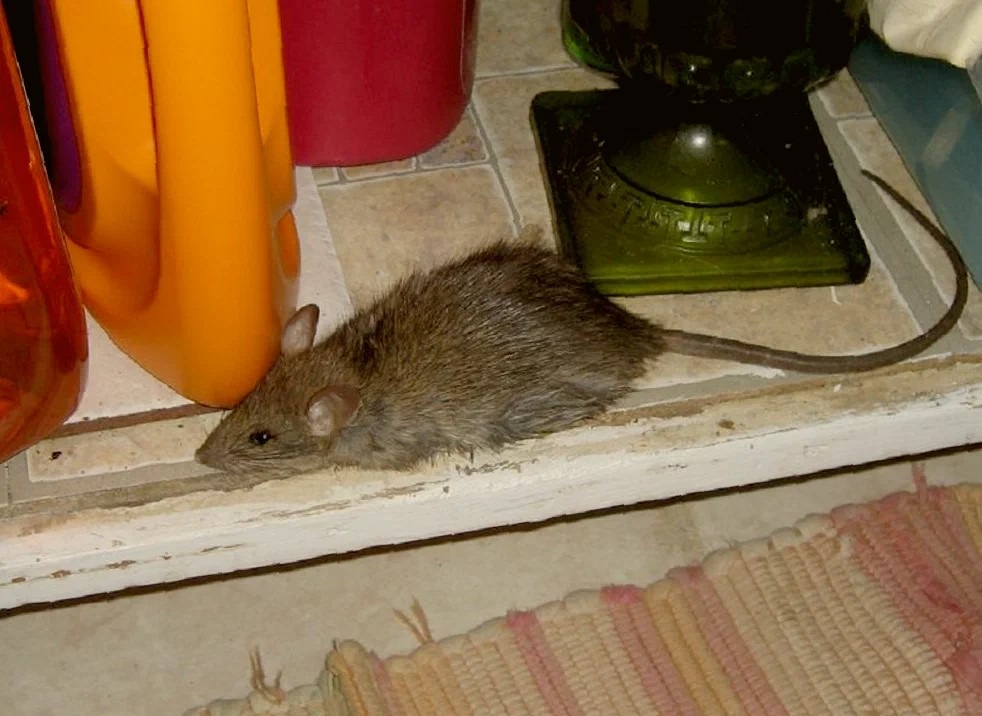
Movement Routes
Rats prefer predictable pathways.
They usually move:
- Along walls
- Behind insulation
- Under cabinets
- Inside pipe chases
These movement habits help inspectors narrow down likely entry zones.
Travel Consistency
Rats tend to use the same route repeatedly.
This repeated movement creates:
- Smudge marks
- Grease trails
- Dust disruptions
These clues act like invisible arrows.
Common Signs That Suggest Hidden Access Points
Before finding an entry hole, inspectors often find evidence.
Key signs include:
- Droppings
- Gnawed wood
- Chewed wiring
- Torn insulation
- Nesting materials
- Scratching sounds
Each clue helps create a behavioral map.
How a Rodent Inspection Usually Begins
Exterior Property Assessment
The outside inspection often comes first.
Why?
Because rodents usually enter from outside.
Inspectors walk the perimeter looking for:
- Foundation cracks
- Damaged vents
- Pipe penetrations
- Siding gaps
- Roof damage
Every inch matters.
Interior Structural Evaluation
After the exterior, the interior inspection begins.
Common inspection areas include:
- Attics
- Basements
- Crawl spaces
- Utility rooms
- Kitchens
- Storage rooms
The goal is to connect internal evidence with external vulnerabilities.
Areas Professionals Examine First
Rooflines, Eaves, and Attic Vents
Roof areas are common access points.
Inspectors look for:
- Missing shingles
- Loose fascia boards
- Damaged soffits
- Open vent screens
A single warped vent can become an express lane for rodents.
Foundation Gaps and Utility Openings
Rats often enter near the ground.
Professionals inspect:
- Plumbing penetrations
- Cable entries
- Gas line openings
- Concrete cracks
Even sealed openings may degrade over time.
Crawl Spaces and Basements
Dark, humid spaces attract rodents.
Inspectors check for:
- Moisture damage
- Loose vent covers
- Insulation disturbance
- Soil burrowing
Garages, Storage Areas, and Sheds
Garages often contain clutter, warmth, and easy access.
Entry points may exist around:
- Garage door corners
- Weather stripping
- Storage wall penetrations
How Rats Use Building Features to Enter
Rats are excellent climbers.
They may climb:
- Brick walls
- Utility lines
- Tree branches
- Downspouts
Once elevated, they exploit structural weaknesses.
Plumbing and Drain Connections
Drain systems can become hidden highways.
Inspectors evaluate:
- Floor drains
- Sewer vents
- Pipe collars
- Drainage exits
HVAC Systems and Vent Penetrations
Heating and cooling systems create openings through walls.
These penetrations often become overlooked access points.
Hidden Utility Line Vulnerabilities
Electrical and communication lines frequently pass through unsealed holes.
Over time, weathering enlarges these spaces.
Tools Used to Identify Concealed Entry Points
Modern inspections rely on specialized tools.
Flashlights, Mirrors, and Inspection Cameras
These tools help examine:
- Tight wall cavities
- Roof voids
- Under-floor spaces
A small camera can reveal activity deep inside structural voids.
Tracking Dust and Motion Detection
Professionals may use:
- Tracking powder
- UV lighting
- Motion sensors
These methods confirm active travel routes.
Biological Clues Professionals Follow
Rodents leave biological evidence everywhere.
Droppings, Rub Marks, and Gnaw Evidence
Fresh droppings indicate recent activity.
Rub marks appear because rats repeatedly brush surfaces with oily fur.
Gnaw marks reveal:
- Access attempts
- Territory establishment
- Material preference
Grease Trails and Nesting Materials
Inspectors may find:
- Shredded paper
- Fabric fibers
- Plant matter
Nesting materials often lead back toward entry routes.
How Seasonal Changes Affect Entry Activity
Weather changes influence rodent behavior.
During heavy rain, cold periods, or excessive heat, rats seek stable shelter.
Seasonal pressure increases inspections around:
- Roof drainage areas
- Flood-prone foundations
- Ventilation openings
This is especially relevant in warm, humid environments where rodent control service pembroke pines inspections often account for moisture-driven movement patterns.
Structural Weak Points in Older Properties
Older buildings often develop vulnerabilities such as:
- Settling cracks
- Decayed wood
- Rusted vent screens
- Loose masonry joints
These imperfections create silent opportunities.
Professionals from EntoLogic Pest Solutions often pay close attention to aging materials because rodents can widen existing weaknesses through gnawing.
How Landscaping Can Create Hidden Access
Your landscaping may unintentionally help rodents.
Potential risk factors include:
- Tree branches touching roofs
- Dense shrubs near walls
- Wood piles
- Mulch accumulation
Think of landscaping as a bridge system.
If branches touch the roof, rats may never need to touch the ground.
How Moisture Problems Attract Rodents
Water attracts life including rodents.
Inspectors look for:
- Leaking irrigation
- Condensation lines
- Roof leaks
- Poor drainage
Moisture supports insect populations too, which can indirectly attract rodents.
How Entry Points Are Documented
Professional inspections usually include detailed mapping.
Inspectors document:
- Entry size
- Location
- Activity level
- Structural condition
Photos, measurements, and diagrams help prioritize repairs.
This structured approach is common during comprehensive rodent control service pembroke pines inspections.
Preventive Recommendations After Inspection
Once entry points are identified, professionals typically recommend:
- Structural sealing
- Vent screening
- Pipe gap repairs
- Vegetation management
- Moisture correction
- Storage improvements
The goal is exclusion keeping rodents out before they establish activity.
EntoLogic Pest Solutions Serving the SilverLakes Community and Beyond in Pembroke Pines
EntoLogic Pest Solutions is dedicated to serving the diverse needs of the local community of Pembroke Pines, including individuals residing in neighbourhoods like SilverLakes. With its convenient location near landmarks such as the Western Union and major intersections like NW 172nd Ave and Pines Blvd (coordinates: 26.0102129, -80.3726066), we offer rodent control services.
Get rodent control services at SilverLakes Now
Call Us or Contact Us: +1 469-425-8406
Navigate from SilverLakes to EntoLogic Pest Solutions Now
Finding hidden rat entry points is part science, part investigation, and part understanding rodent behavior. Rats rarely choose obvious entrances. Instead, they exploit forgotten structural gaps, weathered materials, utility penetrations, and environmental conditions that most property owners overlook.
That’s why experienced professionals like EntoLogic Pest Solutions approach every rodent control service pembroke pines inspection with a systematic process studying biology, structure, and environmental clues together. By identifying not just where rodents are, but how they arrived, property owners gain a clearer path toward long-term prevention.
The Unseen Threats: Where Rats Gain Access
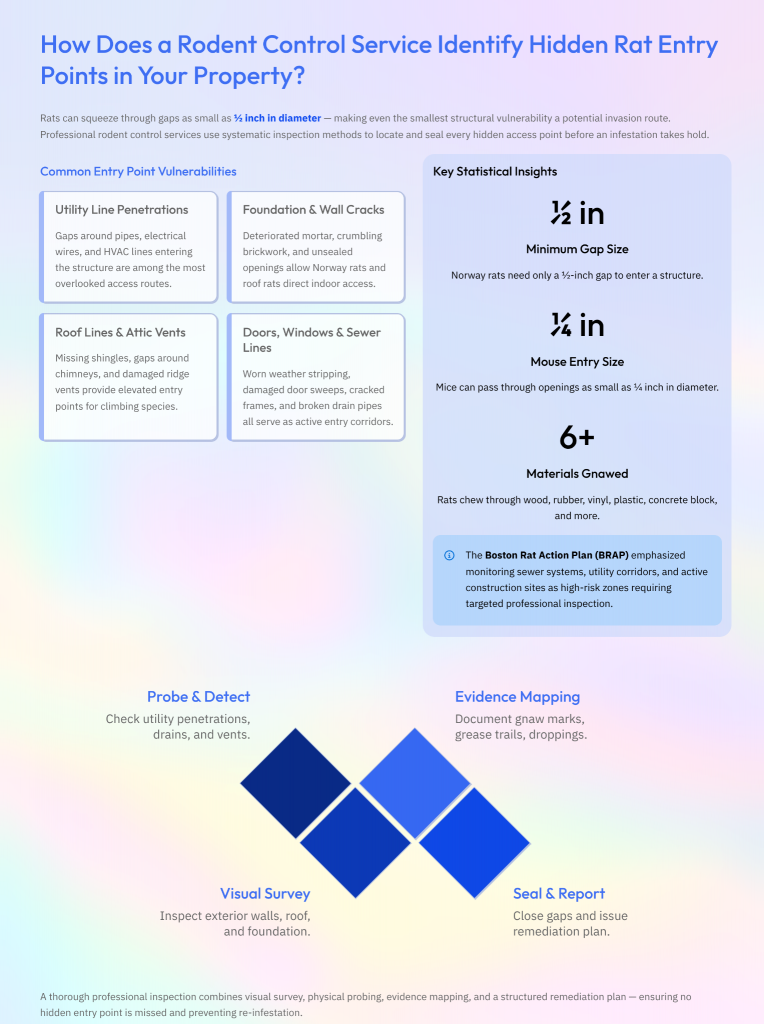
- Tiny Openings, Big Problems: Rats can squeeze through gaps as small as 1/2 inch in diameter (Norway rats) and mice through 1/4 inch. This means even seemingly insignificant cracks in foundations, walls, or around utility lines can be major entry points.
- Source: extension.missouri.edu
- Gnawing Through Defenses: Rats can gnaw through a surprising range of materials including wood, rubber, vinyl, plastic, and even concrete block, creating new entry points where none existed.
- Source: extensionpubs.unl.edu
- Common Vulnerabilities: Professional services look for:
- Utility Line Penetrations: Gaps around pipes, electrical wires, and HVAC lines entering the structure.
- Foundation & Wall Cracks: Deteriorated mortar, crumbling brickwork, and unsealed openings.
- Roof Lines & Vents: Missing shingles, gaps around chimneys, and attic/ridge vents.
- Doors & Windows: Worn weather stripping, damaged door sweeps, and cracked frames.
- Sewer & Drain Pipes: Access through broken pipes or plumbing.
- Source: pctonline.com, ratsprevention.com
- The Boston Rat Action Plan (BRAP) Insight: A comprehensive plan assessed various neighborhoods and infrastructures, highlighting the critical need to monitor and control infestations in sewers and utility systems, and to address construction/demolition site vulnerabilities.
Sources: extension.missouri.edu, extensionpubs.unl.edu, pctonline.com, ratsprevention.com, content.boston.gov
FAQs
1. How small of an opening can a rat use to enter a building?
Many rats can squeeze through openings as small as half an inch, depending on the species and age.
2. Do rats always enter near the area where they are seen?
No. Rats often travel long distances inside wall voids, ceilings, or crawl spaces before becoming visible.
3. Can rats enter through plumbing systems?
Yes. Damaged drains, sewer connections, and unsealed pipe penetrations can create access routes.
4. Are rooflines common rat entry points?
Absolutely. Roof vents, soffits, fascia gaps, and damaged shingles frequently become elevated entry areas.
5. How often should a property be inspected for rodent entry points?
Many properties benefit from seasonal inspections, especially older structures or buildings located near vegetation, water sources, or food storage areas.